What is the Best Drinking Water Filter System for Home Use?
Choosing the right drinking water filter system for home use can be daunting. With so many options available, it’s crucial to understand which features matter most. Renowned water quality expert, Dr. Emily Waters, emphasizes this need, stating, “A reliable drinking water filter system can drastically improve your health and well-being.”
When filtering water at home, families often seek safety. Contaminants in tap water can pose risks. A good filter reduces impurities such as chlorine, lead, and bacteria. Selecting the right system involves considering factors such as flow rate and filter lifespan.
Many homeowners overlook the importance of regular maintenance. A neglected filter won't perform effectively. It's vital to replace cartridges on schedule. Evaluating various models and their reviews will guide you towards a suitable option. Reflecting on these aspects can ensure the system you choose genuinely enhances your drinking water quality.
Types of Drinking Water Filter Systems Available for Home Use
When it comes to drinking water filter systems for home use, several types stand out. Activated carbon filters are popular due to their ability to remove chlorine and improve taste. According to the Water Quality Association, these filters can reduce contaminants by up to 99%. Their affordability and ease of installation make them appealing to many households.
Reverse osmosis systems are another option. They use a semipermeable membrane to eliminate impurities. A study by the National Sanitation Foundation indicates that reverse osmosis can remove up to 95% of total dissolved solids. This makes it an excellent choice for homes with hard water issues. However, these systems often require professional installation and regular maintenance.
Another emerging option is UV filters. These systems utilize ultraviolet light to kill bacteria and viruses. The Centers for Disease Control and Prevention recommend them for homes with microbiological contamination. However, UV filters need a pre-filtration system to remove dirt and sediment. Thus, they may not be ideal for all households. Each type of filter system has its benefits and limitations, making informed choices critical.
Key Features to Consider When Choosing a Water Filter
When choosing a water filter system for home use, consider several key features. The filtration method is crucial. Activated carbon filters effectively reduce chlorine and improve taste. Reverse osmosis systems provide in-depth filtration, removing contaminants like lead and nitrates. The CDC notes that these contaminants can have adverse health effects when consumed over time.
Another aspect to consider is the filter lifespan and replacement frequency. High-quality filters can last six months to a year, depending on usage. Regular replacement ensures that the effectiveness remains high. A study by the NSF International highlights that neglected filters might harbor bacteria, posing potential health risks.
Water flow rate also matters. Some systems may filter water slowly, causing impatience during use. For families, a higher flow rate might be essential. Think about your daily water consumption and choose a system that meets those needs efficiently.
Filters vary widely in price, often reflecting quality. It's crucial to balance cost with the effectiveness of the filtration. A cheaper system might seem appealing, but it could result in more frequent replacements or less effective contaminant removal. Always check for independent certifications, which can signify reliability.
Comparison of Key Features in Home Water Filter Systems
Comparative Analysis of Popular Water Filter Brands
Choosing the right drinking water filter system for home use involves understanding various brands and their effectiveness. Recent studies show that more than 60% of households are concerned about water quality. A comparative analysis reveals distinct features among popular brands, including filtration methods, contaminant removal rates, and maintenance requirements. Some systems use activated carbon, while others incorporate reverse osmosis technology. The latter often claims to remove up to 99% of contaminants, which is a significant factor for health-conscious consumers.
When evaluating filter systems, consider the specific contaminants in your water. Reports indicate that common issues include chlorine, lead, and microplastics. Understanding your water source can guide you in selecting the best filtration method. Some users may find that a single filtration style does not meet all their needs, suggesting hybrid systems might be worth exploring.
Assessing the cost of replacement filters is crucial as well. Some brands offer lower upfront costs, but the long-term maintenance can become expensive. Examine the total lifecycle cost before making a decision. A well-informed choice ensures not just clean water, but also peace of mind.
Check your local water quality reports regularly. Understanding the specific contaminants in your area helps in selecting the right filter system. A water testing kit can provide insights into any hidden impurities as well.
Maintenance and Replacement Guidelines for Water Filters
Maintaining a home water filter system is crucial for ensuring clean drinking water. Regular maintenance helps to keep the filter working efficiently. It's important to follow the manufacturer’s instructions for replacing filter cartridges. Typically, filters should be replaced every six months, but this can vary based on usage and water quality. Always check for any visible signs of wear or damage. If the water smells or tastes off, it might be time for a change, even if it’s not yet six months.
Keep track of the replacement schedule. Mark it on your calendar or set reminders on your phone. This can easily be overlooked in the hustle of daily life. If you regularly travel or have a busy schedule, you may forget to swap filters. Neglecting this can lead to poorer water quality. Some filters come with indicators that alert you when it’s time to change them. It can be a useful feature for busy households.
Cleaning the filter system itself is another important step. Regularly inspect the housing, and clean it according to the guidelines. This helps remove any buildup of minerals or contaminants. Pay attention to the seals and connections. Damaged seals can lead to leaks or contamination. If you notice any persistent issues, don’t hesitate to seek advice from experts. Proper maintenance of your water filter ensures the safety of your drinking water.
What is the Best Drinking Water Filter System for Home Use? - Maintenance and Replacement Guidelines for Water Filters
| Filter Type |
Contaminants Removed |
Lifespan |
Maintenance Frequency |
Replacement Cost |
| Activated Carbon Filter |
Chlorine, sediment, volatile organic compounds (VOCs) |
6-12 months |
Every 6 months |
$20-$50 |
| Reverse Osmosis System |
Arsenic, lead, nitrates, fluoride |
2-5 years (membrane) |
Every 2-3 years (membrane), every 6-12 months (filters) |
$150-$400 |
| Ultraviolet (UV) Filter |
Bacteria, viruses |
1 year (lamp) |
Replace lamp annually |
$80-$150 |
| Ceramic Filter |
Bacteria, sediment, some chemicals |
1-5 years |
Clean every 6 months |
$30-$100 |
| Whole House Filter |
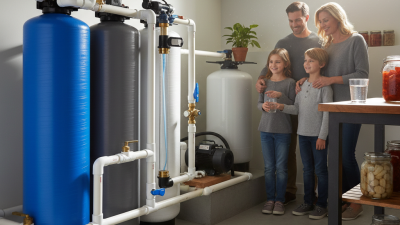
Sediment, chlorine, heavy metals |
5 years (cartridge) |
Every 6-12 months |
$200-$600 |
Health Benefits of Using a Water Filter at Home
Access to clean water is crucial for health. Using a water filter can significantly reduce contaminants in your drinking water. According to the Environmental Protection Agency (EPA), nearly 10 percent of the U.S. population is served by systems that violate safety standards. These violations can lead to exposure to bacteria, lead, and other harmful substances. Water filters help combat these risks, offering families peace of mind.
Studies indicate that filtered water can improve hydration. Research from the Journal of Environmental Health suggests that people tend to drink more water when it is clean and free from unpleasant tastes or odors. This increase in hydration has numerous health benefits, such as improved skin health and better energy levels. However, it is essential to regularly maintain and replace filter cartridges to ensure effectiveness. Neglecting this can result in diminished returns on health benefits.
Moreover, while many filters claim to eliminate a wide range of contaminants, not all filtration systems are equally effective. Some may only target specific pollutants. It is vital to research which filter system best addresses local water quality issues. Knowing your water supply is an investment in your family's health. Engaging with local water quality reports can lead to more informed choices when selecting a filtration system.