Why Do You Need a Drinking Water Filter System?
Access to clean drinking water is essential for health and well-being. Many people are unaware of the contaminants present in their tap water. Dr. Emily Johnson, an expert in water quality, states, "A drinking water filter system is not just a luxury; it’s a necessity for every household." This underscores the importance of investing in filtering solutions.
Drinking water can contain harmful substances. These include chlorine, heavy metals, and even bacteria. A reliable drinking water filter system can significantly reduce these risks. It’s vital to understand that while tap water may look clean, it can still harbor unseen dangers. For families, choosing the right system is crucial for long-term health.
Many assume that boiling water is enough to purify it. However, boiling does not remove all contaminants. This misconception can lead to health issues over time. Investing in a quality drinking water filter system ensures safer drinking water. It’s time to start critically evaluating our water sources and consider the benefits of filtration systems.
Understanding the Importance of Drinking Water Quality
Access to clean drinking water is vital for health. The quality of our drinking water can significantly impact our well-being. According to the World Health Organization (WHO), contaminated water is linked to over 3 million deaths each year. Ensuring water is free from pollutants and harmful microorganisms is crucial for everyone. The Environmental Protection Agency (EPA) states that many tap water sources contain contaminants like lead, chlorine, and bacteria. These substances can lead to various health issues, from gastrointestinal diseases to neurological disorders.
Tips: Regular testing of your water supply can help identify contaminants. If your water has a strange odor or taste, consider filtration options.
A drinking water filter system can enhance your water quality. Research shows that filtered water often tastes better, encouraging increased hydration. The CDC highlights that proper filtration can reduce harmful substances in drinking water by up to 99%. This step is essential for families, especially those with young children or pregnant women, who may be more vulnerable to waterborne diseases.
Tips: Look for filters certified to remove specific contaminants. Regularly replace filter cartridges to maintain effectiveness.
Common Contaminants Found in Tap Water
Many people trust tap water, but it often contains contaminants. These unwanted substances may impact health and taste. Common issues include chlorine, lead, and bacteria. Chlorine is used to disinfect water, but it can produce harmful byproducts.
Lead often seeps into water through old pipes, posing risks, especially for children. Bacteria like E. coli can indicate serious pollution.
Tips: Consider using a water filter to reduce these risks. Filters can help remove lead and bacteria. Always check your local water quality report for specifics.
Another issue is sediment. Tiny particles like rust or dirt can affect the clarity and flavor of your water. Hard water is also a concern, leading to limescale buildup in appliances.
Tips: A sediment filter can minimize particles in your water. Regular maintenance of your plumbing is essential to prevent buildup. Additionally, using filtered water for cooking can enhance the taste of your meals. This simple change can make a big difference in your water quality.
Benefits of Using a Drinking Water Filter System
Access to clean drinking water is essential for health. A drinking water filter system can help achieve that. According to the Environmental Protection Agency (EPA), contaminants in water can lead to various health issues. These contaminants include lead, chlorine, and pesticides. Removing them ensures safer water for consumption.
Using a drinking water filter system offers several benefits. Filtered water often tastes better. Taste improvement can encourage more hydration, which is crucial for overall health. A study by the Water Quality Association indicates that 70% of consumers report significant taste improvement after using a filtration system. In addition, filtering water reduces plastic waste. With water bottles being a major environmental concern, using tap water filtered at home is a step toward sustainability.
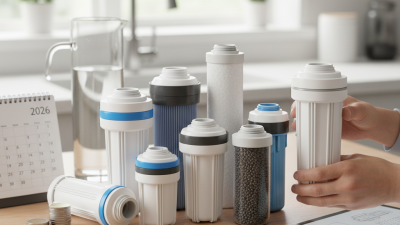
While the advantages are clear, there are limitations. Not every filter removes all contaminants effectively. Users must choose filters wisely, based on their specific water quality issues. Regular maintenance is crucial for optimal performance. Filters demand adherence to replacement schedules, which some may overlook. This brings into question the true effectiveness of home filtration if not maintained properly.
Types of Drinking Water Filter Systems Available
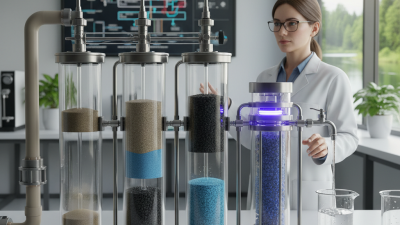
When considering a drinking water filter system, it is essential to understand the various types available. The most common systems include activated carbon filters, reverse osmosis systems, and UV purification devices. Each has unique benefits and limitations. According to a report from the Environmental Protection Agency, up to 60% of household contaminants can be removed by a quality filtration system.
Activated carbon filters are popular for their ability to enhance taste and reduce odors. They effectively trap chlorine and sediment. However, they need regular replacement to maintain efficacy. Studies suggest that failing to change filters can lead to bacteria growth, ironically contaminating the water they should purify.
Reverse osmosis systems use a semi-permeable membrane to eliminate a wide range of pollutants, including heavy metals and nitrates. They are highly effective but can be inefficient, wasting several gallons of water per filtered gallon. This process can lead to concerns about water waste. Meanwhile, UV systems utilize ultraviolet light to disinfect water. They are very effective against pathogens but do not remove chemical contaminants, which could be a critical limitation in some areas. Understanding these options helps consumers make informed decisions about their drinking water quality.
How to Choose the Right Water Filter for Your Needs
Choosing the right water filter for your needs involves careful consideration. Understand the source of your water. Is it municipal or well water? Each type has its own contaminants. Ask yourself what you want to filter out. Common impurities include chlorine, lead, and bacteria. Knowing this helps narrow your options.
Next, think about your lifestyle and household size. A single person's needs differ from a family's. Some filters suit specific tasks like drinking or cooking. Others can purify water for the entire home. Look for systems that meet your needs. But don’t forget about maintenance. Regular filter changes can affect performance and costs.
Finally, research different filtration technologies. Activated carbon, reverse osmosis, and UV treatment each offer distinct benefits. It's not just about brand names. Performance and reliability matter more. Consider reading user reviews and consulting experts for trustworthy opinions. Your choices can affect health and taste. Reflect on what truly works for you.
Why Do You Need a Drinking Water Filter System? - How to Choose the Right Water Filter for Your Needs
| Filter Type |
Contaminants Removed |
Maintenance Frequency |
Cost Range |
Lifespan |
| Activated Carbon Filter |
Chlorine, Sediment, Volatile Organic Compounds (VOCs) |
Every 6-12 months |
$20 - $150 |
6 - 12 months |
| Reverse Osmosis System |
Heavy Metals, Fluoride, Nitrates |
Every 2-3 years |
$150 - $600 |
5 - 15 years |
| Ultraviolet (UV) Filter |
Bacteria, Viruses, Protozoa |
Annually |
$50 - $500 |
1 - 2 years |
| Ceramic Filter |
Bacteria, Sediment, Cysts |
Every 6-12 months |
$20 - $200 |
1 - 5 years |
| Whole House Filter |
Chlorine, Sediment, Heavy Metals |
Every 6-12 months |
$300 - $1,500 |
5 - 10 years |