7 Best Well Filters for Clean Water in 2026?
Choosing the right well filter can make rural water feel clearer, safer, and easier to manage in 2026. However, no single filter solves every private-well problem. Groundwater may carry sediment, iron, sulfur odor, hardness, bacteria, or other contaminants. The best choice depends on a recent laboratory water test, household demand, plumbing design, and maintenance habits.
This guide examines seven well filters through practical performance, verified standards, installation requirements, and long-term cost. It considers sediment cartridges, whole-house filters, iron treatment systems, carbon filtration, ultraviolet protection, and combination units. Each option has strengths and limits. Some reduce visible particles but cannot address dissolved chemicals. Others need electricity, regular backwashing, or professional servicing. Small details matter, such as a muddy prefilter, a pressure gauge dropping below normal, or a cartridge filling sooner than expected.
Real-world reliability matters.
Recommendations should be checked against current NSF/ANSI certifications, manufacturer instructions, and local water-quality guidance. Certified products can still perform poorly when incorrectly sized or neglected. That is an important weakness in many buying guides: they focus on features instead of actual water conditions. We will compare filtration claims carefully, explain what each system can and cannot remove, and highlight realistic maintenance demands. The goal is not to promise perfect water. It is to help homeowners make a defensible decision, protect their plumbing, and know when professional testing or treatment advice is necessary.
Understanding Well Water Contaminants and Filtration Needs
Well water quality can change beneath a clean-looking surface. Unlike municipal supplies, private wells often lack routine treatment and public monitoring. Common contaminants include sediment, bacteria, nitrate, iron, manganese, sulfur compounds, hardness minerals, arsenic, and volatile chemicals. Each requires a different control method. A clear glass proves very little.
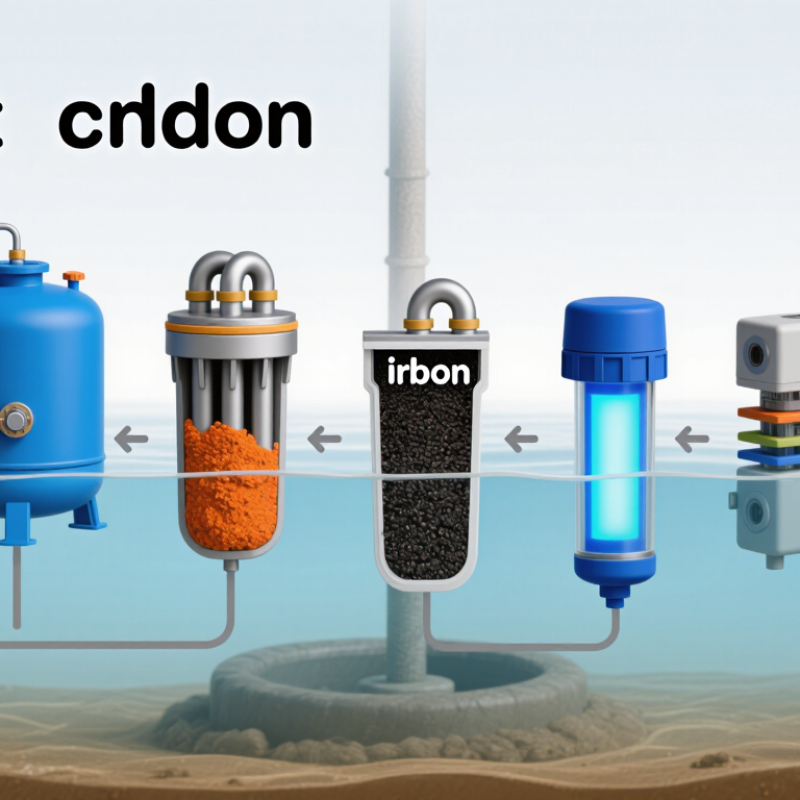
Send a cold-water sample to an accredited laboratory before choosing equipment. Test for coliform bacteria, nitrate, pH, hardness, iron, manganese, arsenic, and local chemical risks. Retest after flooding, repairs, or sudden taste changes. A useful filter list includes sediment filtration, activated carbon, iron and manganese oxidation, neutralizing media, water softening, ultraviolet disinfection, and reverse osmosis. However, softeners reduce hardness rather than remove every contaminant. Ultraviolet systems need clear water and dependable electricity. Reverse osmosis is usually better for one drinking-water tap than an entire home.
Installation details matter. A sediment prefilter can protect later stages from a sandy well. Carbon needs timely replacement, or trapped compounds may affect taste and performance. Ultraviolet lamps require annual inspection, even when the water looks safe. Keep records of pressure, flow rate, test results, and cartridge changes. A filter can appear clean while operating poorly. That is an easy mistake to make. It is also worth checking for certified contaminant-reduction claims, correct sizing, and a bypass valve for maintenance. Local geology may still surprise you.
Seven Well Filter Types Compared by Performance and Use
A good well filter starts with water testing, not a sales claim.
Sediment, iron, hardness, and bacteria determine the right design.
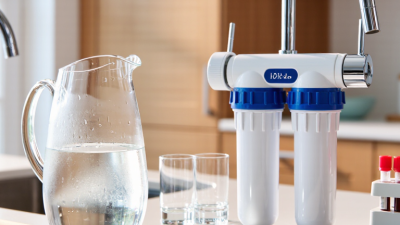
Spin-down mesh filters catch sand and grit while preserving flow.
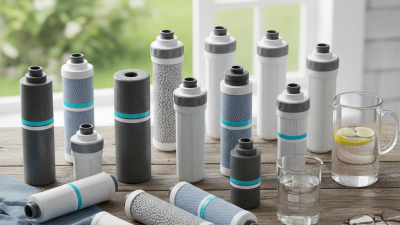
Pleated cartridges capture finer particles and suit homes with cloudy water.
String-wound cartridges provide deeper sediment capture, but they may clog quickly in a dirty well.
These three options work best as prefilters. They protect pumps, heaters, and later treatment stages.
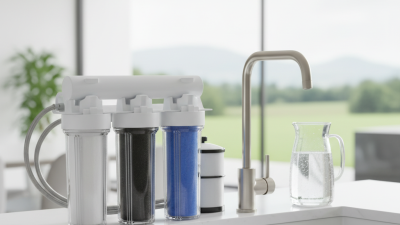
Activated carbon improves taste and reduces odors and some organic compounds.
However, ordinary carbon does not reliably remove dissolved minerals or microbes.
Iron and manganese media target metallic staining and dark deposits when matched to water chemistry.
They need proper backwashing and regular media checks.
Reverse osmosis offers strong point-of-use reduction for salts, nitrate, and several dissolved contaminants.
It requires pressure and creates wastewater.
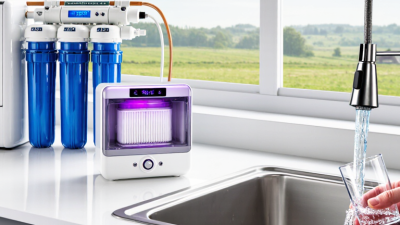
Ultraviolet treatment can inactivate many microorganisms after fine filtration, but it cannot remove sediment.
Performance depends on micron rating, flow rate, contact time, and maintenance.
I would use coarse protection, measured sediment filtration, and treatment based on laboratory results.
A common mistake is choosing the smallest micron rating.
It may polish water briefly, then reduce household pressure.
Replace cartridges when pressure drops, not only when water looks dirty.
Retest after installation.
Well chemistry can change after flooding, drilling, or seasonal shifts.
How to Choose the Right Well Filter for Your Home
Choosing a well filter starts with testing, not shopping.
Private wells can contain sediment, iron, sulfur, bacteria, or nitrate. A recent laboratory report shows which problem needs treatment. Do not rely on clear water; field checks can reveal invisible mineral issues. Test after flooding, repairs, or changes in taste and odor. The right system depends on evidence.
Common options include spin-down sediment, cartridge sediment, carbon, iron-treatment, ultraviolet, nitrate, and reverse-osmosis systems. Choose the filter according to your test results. A sediment filter handles grit and cloudy water. However, a very fine cartridge may clog quickly. Iron and manganese often need specialized media. Sulfur odors may require aeration or filtration. Ultraviolet treatment needs clear water and reliable electricity. Nitrate requires certified equipment and regular testing. Carbon improves taste, but it cannot remove every hazard.
Compare contaminant removal, flow rate, pressure loss, housing size, replacement cost, maintenance, and certification.
Measure peak household demand before choosing capacity. A filter that works at one faucet may restrict a shower. Install gauges before and after the housing. They reveal clogging early. Keep spare cartridges sealed, and record installation dates. I have learned that maintenance estimates are often too optimistic. Busy homeowners may need a simpler system, even if it filters less aggressively. Have a qualified water professional verify installation and local requirements.
Installation Requirements, Compatibility, and Operating Costs
7 Best Well Filters for Clean Water in 2026?
Choosing a well filter starts with a water test, not a product photo. Test for sediment, hardness, iron, manganese, bacteria, and acidity before installation. A clear sample can still contain invisible contaminants. I once underestimated fine sand because the water looked clean. The cartridge clogged within weeks. That mistake changed how I size filtration systems.
Check the pipe diameter, flow rate, pressure range, and available installation space. A filter must match the well pump and household demand. Undersized units restrict showers and increase pump strain. Oversized systems cost more and may waste capacity. Install a shutoff valve, pressure gauge, bypass line, and drain access. Leave enough room to remove a heavy housing safely. Local plumbing rules may also require approved backflow protection or professional inspection.
Operating costs include replacement cartridges, electricity, water used during backwashing, and maintenance labor. Sediment filters often need frequent changes in sandy wells. Iron treatment may require media replacement and periodic cleaning. Automatic systems use power even when water demand is low. Ask for the expected service interval under your actual water conditions. Manufacturer estimates are useful, but household testing is more reliable. Keep a simple log of pressure, filter changes, and water appearance. It may reveal a problem earlier than taste does.
7 Best Well Filters for Clean Water in 2026
Comparison of common well-water filtration configurations by typical installation time, initial equipment cost, and estimated annual operating cost. Values are representative planning ranges for residential systems and exclude major well repairs, plumbing modifications, and laboratory testing.
Costs are shown in U.S. dollars. Actual requirements depend on water-test results, flow rate, pressure, pipe size, available drain access, and local installation labor. Sediment and carbon systems typically require routine cartridge replacement, while backwashing systems require sufficient flow and a drain connection.
Maintenance, Testing, and Long-Term Water Quality Management
The best well filter in 2026 is not a universal cartridge. It is a tested response to the water beneath your property. A practical seven-part shortlist includes sediment, iron, manganese, softening, activated carbon, ultraviolet disinfection, and point-of-use reverse osmosis. Each solves a different problem. Clear water can still hide nitrate, arsenic, or bacteria. The CDC estimates that more than 43 million Americans rely on private wells, making routine testing essential.
Private wells require owner-led control because the EPA does not regulate them under the Safe Drinking Water Act.
The CDC recommends testing for coliform bacteria and nitrate at least annually. Test sooner after flooding, repairs, or changes in taste, odor, or color. Use an accredited laboratory, then compare raw-water and treated-water results. Replace sediment media when pressure drops, not only when the water looks dirty. Clean ultraviolet chambers yearly, inspect seals, and confirm lamp output. Carbon filters need timely replacement. Otherwise, they can become a neglected holding point for contamination.
WHO’s 2022 drinking-water guidelines call for no detectable E. coli in 100 milliliters. EPA’s 2024 PFAS rule sets 4 nanograms per liter limits for PFOA and PFOS in public systems. Those figures offer useful benchmarks, but they do not automatically regulate private wells. Keep a dated log of laboratory results, pressure readings, filter changes, and unusual odors. The weak point is human memory. Missed records happen. Annual reminders and a second test after major media changes provide better long-term control.