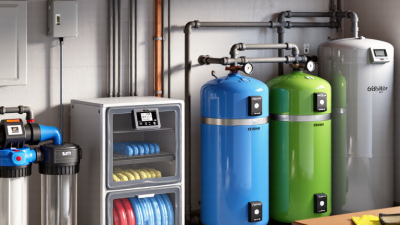
7 Best Water Filter Systems for Well Water?
Choosing the best water filter system for well water begins with understanding the water beneath your home. Private wells can carry sediment, iron, sulfur, manganese, hardness minerals, or bacteria. A clear glass may still hide serious quality concerns. The smell of rotten eggs, orange stains around a sink, or gritty sediment in a kettle can reveal useful clues. However, appearances are not enough.
This guide examines seven practical filtration systems for different well-water problems, including sediment filters, iron filtration, carbon systems, water softeners, ultraviolet purification, and reverse osmosis. Each option has a different purpose. A whole-house unit may protect showers, laundry, and plumbing, while an under-sink filter can provide cleaner drinking water. The strongest choice depends on laboratory results, flow rate, maintenance needs, and household size. Check relevant NSF or ANSI certifications when available. Professional installation may also prevent pressure loss and unsafe connections.
Real-world performance can be less perfect than product descriptions suggest. Filters clog faster when a well produces heavy sediment. Ultraviolet systems need clear water and reliable electricity. Reverse osmosis can waste water and remove beneficial minerals. I would not choose equipment from marketing claims alone. Test the well water through a certified laboratory, then compare contaminant reduction ratings carefully. This review highlights seven promising choices, but one system cannot solve every well-water issue. Your results may differ. That is why honest testing, regular servicing, and realistic expectations matter more than a glossy specification sheet.
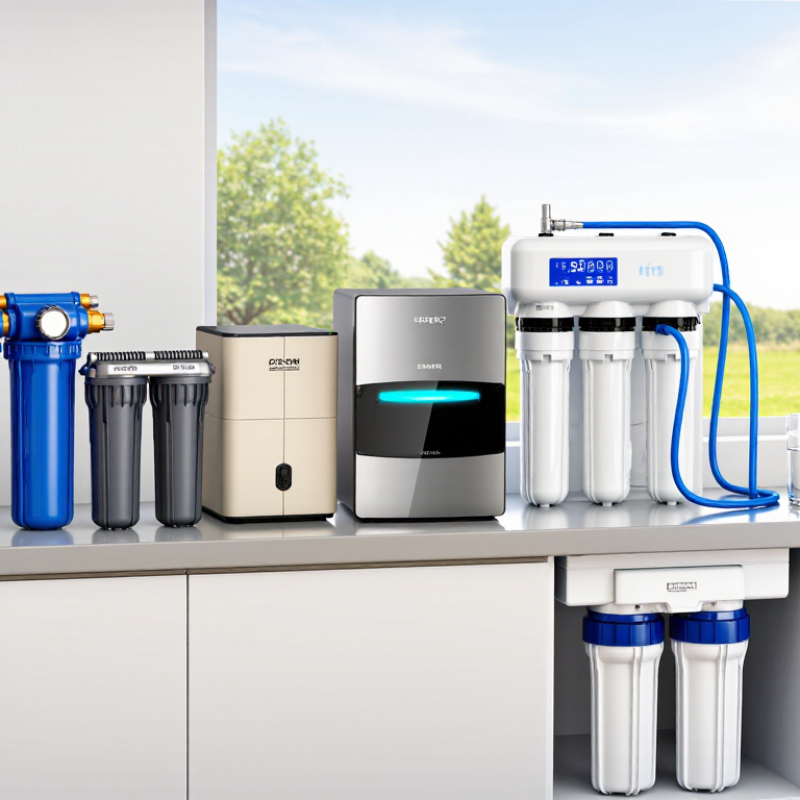
Understanding Well Water Quality and Filtration Needs
Well water quality can change beneath your feet. The U.S. Centers for Disease Control and Prevention reports that over 23 million U.S. households use private wells. Unlike public systems, private wells are not routinely monitored by federal regulators. Testing is essential.
A laboratory report should guide your filter choice. The CDC recommends annual testing for coliform bacteria, nitrates, total dissolved solids, and pH. Test again after flooding, repairs, or unusual taste and odor. A 2023 U.S. Geological Survey assessment found that at least one contaminant exceeded a health benchmark in many groundwater samples. That finding matters: iron stains are unpleasant, but bacteria, arsenic, or nitrate can be more serious. Sediment filters remove grit. Carbon filters improve taste and reduce some chemicals. Ultraviolet treatment can address microorganisms, but only when water is clear and the lamp is maintained. Reverse osmosis may reduce several dissolved contaminants, yet it creates wastewater and needs regular servicing. No single system solves every well problem.
Tips: Keep the lab report beside your maintenance records. Check filter changes by water volume, not guesswork. Test treated water, too. A filter can become the problem when neglected. Frankly, choosing equipment before testing is an easy mistake. A certified installer can confirm flow rate, pressure, plumbing compatibility, and treatment performance. Local geology also matters, so generic online advice may be incomplete.
7 Best Water Filter Systems for Well Water
Typical treatment relevance by well-water problem. Scores reflect the intended treatment role of each technology: 0 = not designed for it, 1 = limited or conditional, 2 = useful with proper sizing, and 3 = primary application.
Well water should be tested before selecting equipment. Sediment filters address particles, softeners target hardness, oxidizing filters are commonly used for iron and manganese, UV systems inactivate microorganisms, and reverse osmosis is commonly used for several dissolved contaminants. Actual performance depends on water chemistry, system certification, maintenance, and correct sizing.
Comparing the Main Types of Well Water Filter Systems
7 Best Water Filter Systems for Well Water?
Comparing the Main Types of Well Water Filter Systems
Private wells serve about 15% of the U.S. population, according to the U.S. Environmental Protection Agency. Their water chemistry can change with seasons, flooding, plumbing, or nearby agriculture. Testing must guide the choice. The Centers for Disease Control and Prevention recommends private-well testing at least annually, including bacteria and locally relevant contaminants.
Sediment Filters Sediment filters catch sand, rust, and visible grit. They protect later equipment, but they do not remove dissolved chemicals.
Activated Carbon Activated carbon improves taste and reduces chlorine-like odors, pesticides, and some organic compounds. It cannot reliably remove nitrate, arsenic, or hardness.
Water Softeners Water softeners exchange minerals that cause scale, especially calcium and magnesium. They are not complete drinking-water filters.
Iron and Manganese Filters Iron and manganese filters target orange staining and metallic taste. Performance depends heavily on water chemistry.
Reverse Osmosis can reduce many dissolved contaminants, including nitrate and arsenic, when properly maintained. The World Health Organization lists guideline values of 50 mg/L for nitrate and 0.01 mg/L for arsenic.
Ultraviolet systems inactivate bacteria and viruses, but only clear water reaches the lamp effectively. Distillation removes many dissolved solids, although it uses considerable energy.
A practical mistake is choosing by contaminant fear alone. Retesting after installation matters. NSF/ANSI standards can help verify treatment claims, but certification does not replace a laboratory water analysis. No single system wins every well.
Key Features for Choosing the Right Filter System
7 Best Water Filter Systems for Well Water?
Well water changes from property to property, so the best system starts with a certified laboratory test. Common choices include sediment filters, carbon filters, iron and manganese filters, water softeners, ultraviolet disinfection, reverse osmosis, and whole-house combinations. Each solves a different problem. Sediment filters capture sand and grit. Carbon improves taste and reduces some chemicals. Ultraviolet treatment targets microorganisms without adding chemicals. Reverse osmosis works well for drinking water, but it can waste water and reduce pressure.
Key features matter more than attractive product claims. Check the filter’s micron rating, treatment capacity, flow rate, and replacement cost. A system should match your household’s peak water demand. Look for clear maintenance instructions, accessible cartridges, pressure gauges, and a bypass valve. Certified testing claims also deserve attention. A filter that removes iron may not remove bacteria. That assumption can create serious risks.
Tips: Test for bacteria, nitrate, hardness, iron, manganese, sulfur, and pH. Keep the laboratory report nearby when comparing systems. Choose treatment based on measured levels, not cloudy water alone. Install a sediment prefilter when your well carries visible grit. Inspect cartridges regularly. They can look acceptable while becoming restricted inside. One detail is easy to overlook: power-dependent systems need backup planning during outages. No setup is perfect. Recheck the water annually, especially after flooding, repairs, or unusual taste changes.
7 Best Water Filter Systems for Well Water? - Key Features for Choosing the Right Filter System
| Filter System | Best For | Main Filtration Method | Typical Contaminants Addressed | Typical Flow Rate | Maintenance Requirements | Key Advantages | Important Limitations | Overall Suitability |
|---|---|---|---|---|---|---|---|---|
| Whole-House Sediment and Carbon System | Well water with visible particles, unpleasant taste, or mild odor | Spun or pleated sediment filtration followed by activated carbon adsorption | Sand, silt, rust particles, chlorine if present, some organic compounds, and taste- or odor-causing substances | Approximately 8–20 gallons per minute, depending on cartridge size and water pressure | Replace sediment cartridges about every 3–12 months; replace carbon media according to water usage and manufacturer specifications | Simple installation, relatively low operating cost, and effective improvement in appearance, taste, and odor | Does not reliably remove dissolved minerals, hardness, nitrate, arsenic, or microorganisms | ★★★★☆ |
| Catalytic Carbon Filtration System | Well water affected by hydrogen sulfide odor, some organic chemicals, or persistent taste issues | High-activity catalytic carbon media | Hydrogen sulfide under suitable conditions, certain volatile organic compounds, pesticides, and taste- or odor-causing compounds | Approximately 5–15 gallons per minute | Backwash or service the media as required; media commonly lasts several years when properly sized and maintained | Can treat the entire home and usually does not require frequent cartridge changes | Performance depends strongly on contaminant concentration, pH, contact time, and correct sizing; not a complete solution for bacteria or hardness | ★★★★☆ |
| Iron and Manganese Filtration System | Water with orange or black staining, metallic taste, or elevated iron and manganese | Oxidation followed by catalytic media filtration; some systems use air injection or chemical oxidation | Dissolved iron, manganese, and sometimes hydrogen sulfide, depending on the selected media and water chemistry | Approximately 5–15 gallons per minute | Regular backwashing; occasional media inspection; oxidant or air-injection components may need servicing | Reduces staining, metallic taste, and deposits throughout the plumbing system | Requires accurate testing of pH, iron form, manganese, sulfur, and flow rate; excessive sediment may require prefiltration | ★★★★★ |
| Water Softener with Optional Prefilter | Hard well water causing scale, dry skin, and reduced appliance efficiency | Ion exchange using resin beads that exchange calcium and magnesium for sodium or potassium ions | Hardness minerals, primarily calcium and magnesium | Approximately 7–15 gallons per minute for many residential systems | Regeneration with salt or potassium chloride; brine tank cleaning and periodic resin or valve inspection | Reduces scale in water heaters, pipes, fixtures, and appliances; improves soap performance | Does not function as a general-purpose disinfectant or remove most organic chemicals, nitrate, or bacteria | ★★★★☆ |
| Ultraviolet Disinfection System | Private wells with confirmed or suspected bacterial contamination | Ultraviolet light inactivates bacteria, viruses, and other microorganisms without adding chemicals | Many bacteria, viruses, and protozoa, provided the water is clear enough for adequate UV transmission | Approximately 5–20 gallons per minute, based on UV dose and system design | Replace the UV lamp about annually; clean or replace the quartz sleeve; use a sediment prefilter | Rapid, chemical-free disinfection with no significant change to water taste | Does not remove sediment, hardness, metals, chemicals, or odors; requires electricity and relatively clear water | ★★★★★ |
| Whole-House Reverse Osmosis System | Well water with high total dissolved solids or specific dissolved contaminants | Semipermeable membrane filtration supported by sediment and carbon pretreatment | Can reduce many dissolved salts, fluoride, nitrate, arsenic, and other contaminants when the membrane is properly selected | Product-water flow is commonly about 0.5–3 gallons per minute; storage tanks and booster pumps may be needed | Replace pretreatment filters several times per year; sanitize and service the membrane system; manage concentrate wastewater | Provides broad reduction of many dissolved contaminants and can produce highly purified water | Higher installation cost, water waste, slower production, and pretreatment is often essential for hard or iron-rich well water | ★★★★☆ |
| Multi-Stage Well Water Treatment System | Homes with several documented issues, such as sediment, iron, hardness, odor, and microbial risk | Customized combination of sediment filtration, oxidation, carbon, softening, UV, or reverse osmosis | Multiple contaminants, depending on the selected treatment stages and verified laboratory results | Approximately 5–15 gallons per minute for whole-house treatment, depending on the weakest stage | Several maintenance tasks, including filter replacement, media backwashing, salt replenishment, UV lamp replacement, or membrane service | Offers the most complete approach when treatment stages are correctly matched to water-test results | Highest upfront cost, more equipment space, and greater maintenance complexity; unnecessary stages can increase cost without improving safety | ★★★★★ |
Note: Flow rates, service intervals, and contaminant reduction vary with water chemistry, pressure, temperature, household demand, and system sizing. Test private well water through a certified laboratory before selecting a treatment system. For drinking-water safety, verify that the chosen system is independently certified for the specific contaminant of concern.
Installation Steps for a Well Water Filtration System
Installing a well water filtration system starts with a water test, not a shopping list. Test for sediment, hardness, iron, manganese, bacteria, and acidity through a certified laboratory. These results determine whether you need sediment filtration, carbon treatment, softening, or ultraviolet disinfection. A pressure reading also matters because restrictive filters can reduce shower flow.
Turn off the pump and release pressure before cutting any pipe. Install the main shutoff valve where it remains easy to reach. Follow the water-flow arrow on every filter housing. A common layout places sediment filtration before finer treatment. Add a bypass valve for maintenance. Secure the housings against a wall, leaving enough space below them for cartridge changes. Hand-tighten connections first, then check carefully for leaks. Do not overtighten plastic fittings. They can crack quietly.
Tips: Flush new cartridges until the water runs clear. Measure twice. Keep the electrical area dry. Label each valve with its function. After installation, test the water again and inspect the system after several pump cycles. I would not skip this step, even when the first water sample looked acceptable. Well conditions can change after heavy rain, repairs, or flooding. If pressure drops sharply or bacteria remain present, stop using the water for drinking and ask a qualified water professional to inspect the system.
Maintenance, Replacement, and Performance Checks
7 Best Water Filter Systems for Well Water?
A well-water filter is only as reliable as its maintenance routine. The U.S. Environmental Protection Agency reports that private wells serve about 15% of Americans. Unlike municipal supplies, these wells are not routinely monitored by public agencies. Sediment can clog a prefilter, while iron and manganese may stain fixtures and damage membranes. Test untreated and filtered water at least annually through a certified laboratory. Test sooner after flooding, repairs, or changes in taste and odor.
Replacement timing should follow water quality, flow rate, and manufacturer capacity. A sudden pressure drop often signals a loaded cartridge. Do not wait for cloudy water. The CDC advises private-well owners to check coliform bacteria yearly and to test for locally relevant contaminants. NSF/ANSI standards can help verify whether a filter is designed for claims such as particulate, lead, or reverse-osmosis reduction. Certification does not remove the need for testing. It only supports the performance claim.
Tips: Record installation dates, pressure readings, and filter changes on the tank cabinet. Check the housing seal for grit. Sanitize hands and tools before opening it. A simple log prevents guesswork, though my own maintenance records have shown one weakness: calendar reminders can miss rapid clogging after heavy rain. Recheck flow at the kitchen tap, not only at the pressure gauge. Replace cartridges with wet hands, and discard damaged housings immediately. EPA and CDC guidance both support testing when conditions change, not just on a fixed schedule.
Related Posts
-
7 Tips for Choosing the Best Well Filtration System
-
2026 How to Choose the Best Drinking Water Filter System?
-
Top 5 Benefits of Well Plumbing Systems for Efficient and Sustainable Water Supply
-
Top 10 Best Well Water Testing Kits You Need to Try?
-
Why You Need a Water Filter for Drinking Water Safety and Health Benefits?
-
How to Choose the Best Well Filtration System for Your Needs?