Top Well Water Filtration System Options for Clean Drinking Water?
In recent years, the importance of a reliable well water filtration system has gained significant attention. With experts emphasizing the need for clean drinking water, Dr. Emily Carter, a prominent figure in water quality research, states, “The right filtration system can make a world of difference in the safety of your drinking water.”
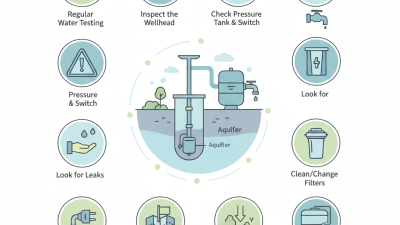
Many homeowners rely on well water, yet they often overlook potential contaminants. The quality of well water can vary greatly. Regular testing and maintenance of your filtration system is crucial. Contaminants like bacteria, heavy metals, and sediment can pose health risks. Therefore, investing in an effective well water filtration system is essential.
Choosing the right system can be overwhelming. It’s important to consider factors like your water source, usage, and budget. Various options are available, and each has its benefits and drawbacks. Selecting the optimal system may require some trial and error. Understanding your specific needs will lead to a cleaner, safer drinking experience.
Types of Well Water Filtration Systems for Home Use
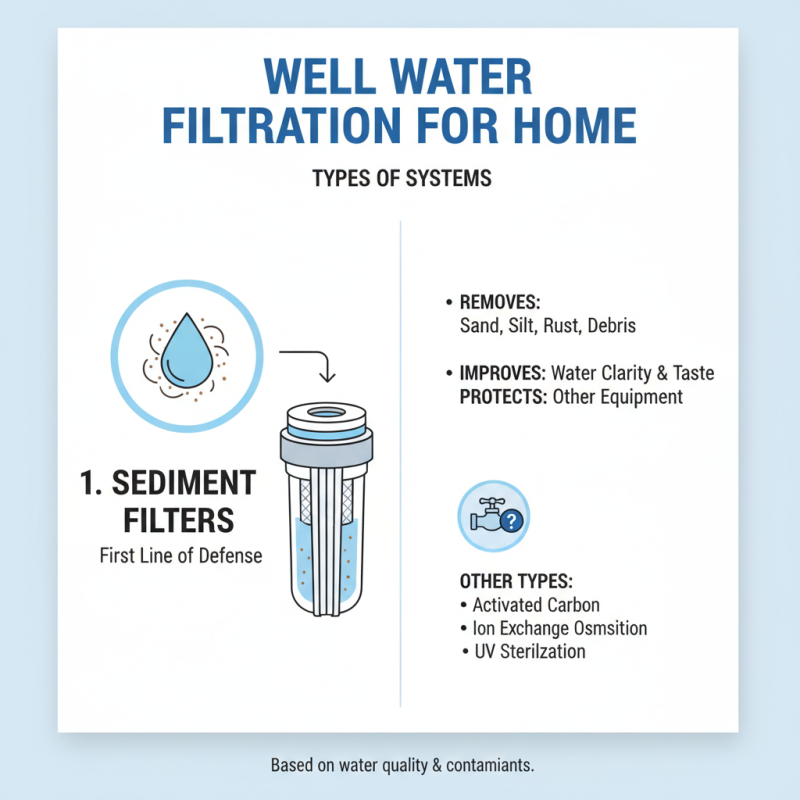
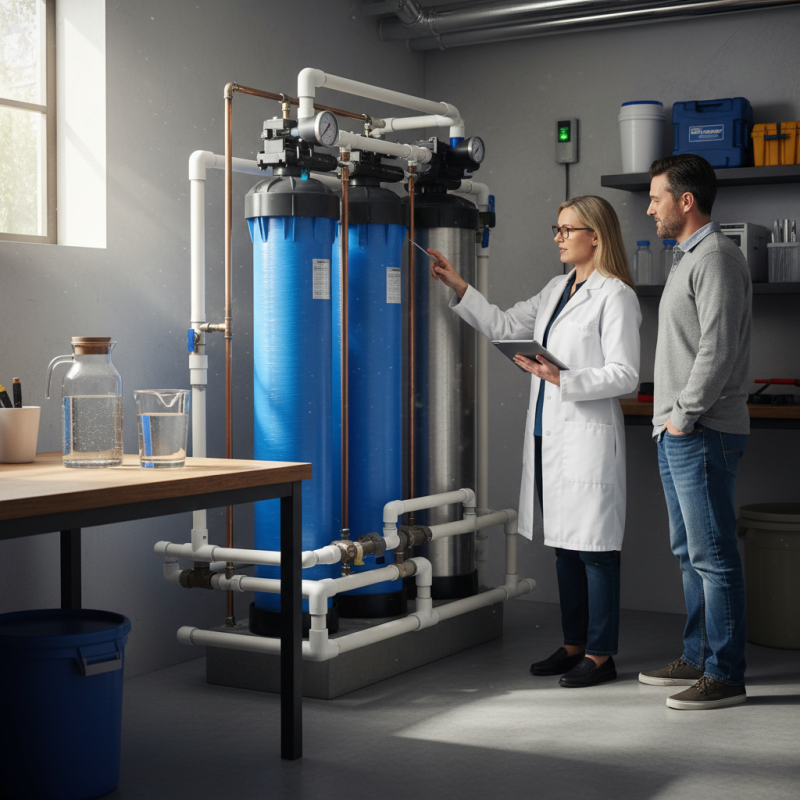
When considering well water filtration systems, it’s important to understand the various types available. Each system serves specific needs based on water quality and contaminants. Common options include sediment filters, which remove larger particles from water. These filters are often the first line of defense, helping to improve clarity and taste.
Another popular choice is activated carbon filters. These systems effectively reduce chlorine, volatile organic compounds (VOCs), and unpleasant odors. They work through adsorption, capturing impurities as water passes through. However, they may require frequent replacement to maintain effectiveness, leading to ongoing costs for homeowners.
Ultraviolet (UV) systems are also gaining traction. They use UV light to neutralize harmful bacteria and viruses. This method does not alter the taste or odor of water. But it doesn't address chemical contaminants. Regular maintenance of UV lamps is essential, which some homeowners might overlook. Exploring these filtration options requires careful consideration of personal water quality needs and budget.
Key Features to Consider in Well Water Filtration Systems
When considering a well water filtration system, key features are crucial for ensuring clean drinking water. Start with the filtration type. Different systems use various methods, like activated carbon, reverse osmosis, or ultraviolet light. Each method has strengths and weaknesses, so research is essential. For instance, activated carbon removes chlorine and sediments but may not eliminate all contaminants.
Water testing is another important aspect. Understanding your well water's specific pollutants is vital. Contaminants like bacteria, nitrates, or iron vary by location. Some filtration systems might target certain issues better than others. A good system should also have an easy maintenance plan. Filters need timely replacement to keep the water safe.
Don't overlook the system's flow rate. A slower flow might be fine for home use, but it can be inconvenient for larger households. Lastly, budget considerations also come into play. While it’s tempting to choose the cheapest option, invest in quality for long-term health. Balancing cost with effectiveness can be challenging but necessary. Reflecting on these criteria can lead to better choices for your family's water safety.
Popular Brands and Models of Well Water Filtration Systems
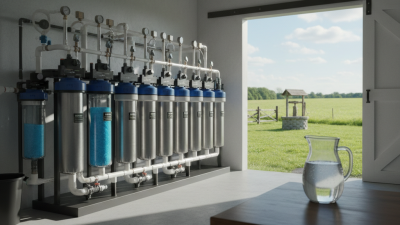
Well water filtration systems play a crucial role in ensuring safe drinking water. Several popular brands offer various models tailored to different needs. Some systems target specific contaminants, while others focus on comprehensive filtration. Finding the right brand can be overwhelming, given the numerous options available.
A reliable filtration system can remove sediments, bacteria, and heavy metals. Some products use multi-stage filtration, which enhances effectiveness. Homeowners often prefer models that include reverse osmosis. These systems are known for their thorough purification process. Yet, not every model fits all water sources. It's essential to test well water before choosing a filtration solution.
Many users reflect on their filtration choices after installation. Issues like frequent filter replacements or system inefficiencies may arise. Researching user reviews and experiences can reveal common pitfalls. This information helps in selecting a more suitable system. Regular maintenance is another aspect that users often overlook, impacting overall performance.
Top Well Water Filtration System Options for Clean Drinking Water
| System Type |
Filtration Technology |
Contaminants Removed |
Flow Rate (GPM) |
Average Cost ($) |
| Reverse Osmosis |
Membrane Filtration |
Lead, Arsenic, Nitrates |
0.5 - 3 |
200 - 500 |
| Activated Carbon |
Carbon Block Filtration |
Chlorine, VOCs, Sediments |
1 - 5 |
100 - 300 |
| Whole House Filter |
Multi-Stage Filtration |
Sediments, Hardness, Chemicals |
5 - 15 |
300 - 800 |
| Ultraviolet (UV) |
UV Light Disinfection |
Bacteria, Viruses |
1 - 7 |
200 - 600 |
| Ion Exchange |
Resin Filtration |
Hard Water Minerals |
5 - 10 |
150 - 400 |
Installation and Maintenance Tips for Well Water Filters
When installing a well water filtration system, start by assessing your water quality. Testing for contaminants like bacteria, heavy metals, and sediments is crucial. You can use home kits or enlist professional help. Once you know your water’s needs, select a suitable filtration method. Popular options include sediment filters, carbon filters, and UV purifiers.
Installation varies, but most systems come with detailed instructions. Ensure you have all necessary tools. A level and sturdy surface will help secure your system properly. Pay attention to the connections to avoid leaks. It’s easy to overlook small details during setup, which can lead to issues later.
Maintenance is equally important. Regularly check and replace filter cartridges as needed. Not all filters require the same frequency of replacement. Some may last months; others require more frequent changes. Keep an eye on water flow. A drop in pressure often signals a need for maintenance. Regular inspections can save time and ensure clean water. Remember to document any changes or observations; it helps in troubleshooting issues.
Top Well Water Filtration System Options - Comparative Analysis
Health Benefits of Using a Well Water Filtration System
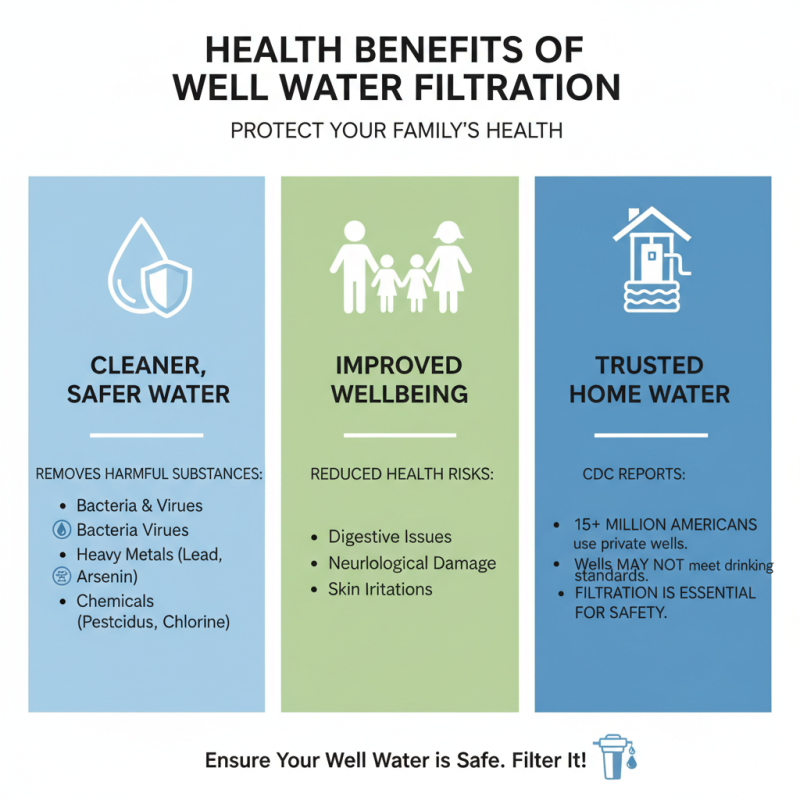
Using a well water filtration system offers numerous health benefits. Contaminated well water can harbor harmful substances like bacteria, heavy metals, and chemicals. The CDC states that over 15 million Americans rely on privately owned wells. These wells may not meet federal drinking water standards. Thus, filtration becomes essential for safety.
Many studies highlight the importance of regular testing and purification. The EPA recommends testing well water annually for contaminants. Ingesting pollutants can lead to serious health issues, including gastrointestinal illnesses and neurological disorders. Effective filtration systems can remove much of these dangers, making the water safer to drink.
Moreover, filtering well water can improve its taste and appearance. Filters can reduce unpleasant odors and sediment. This makes water more appealing, encouraging proper hydration. The National Ground Water Association reported that over 40% of well owners don’t filter their water. This statistic reveals a significant gap in health-conscious practices. Regularly investing in a reliable filtration system can enhance quality of life and health.