What Is Water Testing and Which Type Do You Need?
Water can look clear and still carry bacteria, lead, nitrates, PFAS, or pesticides. Water testing examines these hidden risks through laboratory or field-based analysis. The correct test depends on your source, location, plumbing, and possible contamination history.
The World Health Organization reported that 2.2 billion people lacked safely managed drinking water in 2022. Its Guidelines for Drinking-water Quality also emphasize risk-based monitoring, rather than relying on appearance or taste. In the United States, the Environmental Protection Agency identifies lead, microbial pathogens, nitrate, and emerging chemicals as important drinking-water concerns. Private wells require special attention because they are usually not monitored like public systems. The Centers for Disease Control and Prevention recommends regular well testing, especially after flooding, repairs, or changes in taste and odor.
Water microbiologist Dr. Kelly Reynolds explains, “You can’t see, smell, or taste many harmful contaminants.” That warning matters at a kitchen tap. A family may notice no unusual color while lead levels remain elevated. A homeowner may test for bacteria but overlook arsenic or nitrate. That is where this topic becomes less simple.
There is no universal water-testing kit. Some kits provide useful screening, but accredited laboratories offer stronger confirmation. Test selection should follow evidence, not fear. Still, local conditions can be confusing, and testing plans may need revision. This guide explains common water tests, when each is appropriate, and how to interpret results without treating one sample as the whole story.
What Water Testing Is and What It Measures
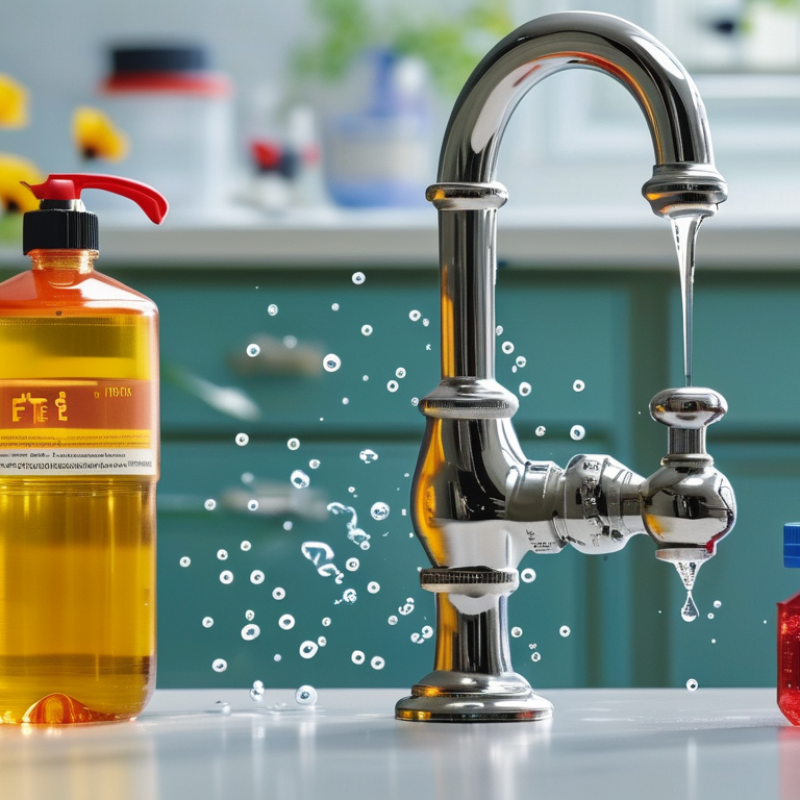
Water testing is the process of examining a water sample for physical, chemical, and biological characteristics. It does not simply answer whether water is “safe.” It shows what is present, how much is present, and whether the result meets a relevant standard.
A basic test may measure pH, turbidity, temperature, hardness, and total dissolved solids. These results describe water quality and possible plumbing effects. Disinfectant testing can measure residual chlorine. Microbiological testing looks for indicator organisms, such as coliform bacteria and E. coli. Chemical testing may check nitrate, lead, arsenic, copper, fluoride, or other substances linked to local geology and land use.
The right test depends on the water source and the concern. Private well users may need bacteria, nitrate, and metals testing. Users of rainwater systems may need microbial and chemical checks. Tap water with a metallic taste may justify testing for corrosion-related metals. Home kits can provide quick screening, but laboratory testing usually offers better sensitivity and documented procedures. Follow the sampling instructions carefully. A dirty container, warm storage, or delayed delivery can distort results.
One sample is not the whole story. Results can change after heavy rain, repairs, flooding, or seasonal groundwater movement. Testing again may feel unnecessary, yet it can reveal a pattern that one result misses. An unexplained result should be reviewed with a qualified laboratory or water professional, rather than interpreted from a number alone.
Why Water Quality Testing Matters for Health and Safety
Water testing is not only a technical task. It is a direct check on the safety of water used for drinking, cooking, and bathing. In 2022, about 2.2 billion people lacked safely managed drinking water, according to the WHO/UNICEF Joint Monitoring Programme. Contaminated water can carry bacteria, viruses, parasites, and harmful chemicals. The health effects may appear suddenly, or remain invisible for years.
The right test depends on the water source and local risks. Private well owners should usually test for total coliforms, E. coli, nitrate, arsenic, lead, and other regional contaminants. The CDC recommends annual well testing, plus testing after floods, repairs, or noticeable changes in taste, color, or odor. Clear water is not proof of safety. That assumption can be dangerous.
Laboratory testing provides stronger evidence than appearance or smell. The WHO reported that unsafe water, sanitation, and hygiene contributed to about 1.4 million preventable deaths in 2019. A certified laboratory should use documented sampling methods and explain detection limits clearly. One sample can still mislead, because contamination may change after rainfall, construction, or seasonal shifts. Testing is evidence. Regular testing is better.
What Is Water Testing and Which Type Do You Need?
Water quality testing helps identify chemical contaminants that may affect health and safety. The chart compares selected drinking-water guideline values published by the World Health Organization. Lower guideline values indicate that the contaminant requires control at very low concentrations.
Reference values: WHO Guidelines for Drinking-water Quality. Local regulations may differ. Private wells and unfamiliar water sources should also be tested for microbiological contamination, especially E. coli, because chemical testing alone cannot confirm water safety.
The Main Types of Water Tests and Their Purposes
Water testing measures whether water is safe, suitable, and consistent for its intended use. The right test depends on the source, location, and possible contaminants. The WHO/UNICEF Joint Monitoring Programme reported that 2.2 billion people lacked safely managed drinking water in 2022. That figure shows why testing cannot rely on appearance alone. Clear water may still contain bacteria, nitrate, metals, or industrial chemicals.
Microbiological tests look for organisms such as E. coli and total coliforms. They are essential after flooding, plumbing repairs, or suspected sewage contamination. Chemical tests measure nitrate, lead, arsenic, copper, hardness, and dissolved solids. Nitrate deserves attention near farms or septic systems. The U.S. Environmental Protection Agency identifies nitrate and microbial contamination among major private-well concerns. Physical tests examine color, odor, turbidity, pH, and temperature. These results can reveal changing conditions, but they cannot prove safety alone. They are clues, not conclusions.
Radiological testing may be needed where local geology increases uranium or radium risks. PFAS testing can matter near airports, industrial sites, or firefighting-foam locations, although testing costs and laboratory capabilities vary. The U.S. Geological Survey notes that groundwater chemistry reflects both geology and human activity. Test at the tap when household plumbing is the concern. Test at the source when contamination may enter upstream. Sampling errors remain possible. A poorly rinsed bottle, long storage time, or one-time sample can distort the result. Annual private-well screening is a practical baseline, but local health guidance may require more frequent testing.
How to Choose the Right Water Test for Your Needs
What Is Water Testing and Which Type Do You Need?
How to Choose the Right Water Test for Your Needs
Choosing a water test starts with identifying the water source and the possible risk. Tap water from a public system usually needs fewer tests than water from a private well. A basic test may check bacteria, lead, copper, nitrates, pH, and hardness. Do not guess.
Consider recent changes around your home. Flooding, plumbing repairs, a new well, or a metallic taste can justify targeted testing. If the water smells like rotten eggs, test for sulfur-related compounds and bacteria. Orange stains may indicate iron, but appearance alone cannot confirm the cause. Water can look clear and still contain contaminants.
Your household also matters. Homes with infants may need careful nitrate testing, especially when using well water. Older buildings may require lead testing at the tap, where exposure can occur. A certified laboratory can recommend suitable methods for local conditions. Follow its sampling instructions closely; touching the bottle opening or using the wrong container can affect results. Test before installing a filter, then retest after treatment. A broad panel may feel reassuring, but it can miss a specific local concern. More testing is not always better.
Results should be compared with current public-health guidance, not random online claims. A single result is only a snapshot. Seasonal changes, construction, or damaged pipes can alter water quality later. If the report seems confusing, ask the laboratory which finding deserves attention first. That small conversation may prevent an expensive, unnecessary treatment system.
| Water Test Type | What It Measures | Who Usually Needs It | Recommended Sample | Typical Laboratory Turnaround | When to Prioritize It | Important Limitations |
|---|---|---|---|---|---|---|
| Basic Drinking-Water Screening | Common indicators such as pH, total dissolved solids, turbidity, conductivity, hardness, alkalinity, chloride, sulfate, iron, manganese and selected metals. | Households wanting a general baseline, especially those using a private well or an unfamiliar water source. | Cold tap water after following the laboratory’s sampling instructions. | Approximately 3–10 business days, depending on the laboratory and test package. | Good starting point | A basic screen does not rule out all pathogens, pesticides, volatile organic compounds, PFAS or other specialized contaminants. |
| Total Coliform and E. coli | Bacterial indicators of possible sanitary contamination. E. coli is a more specific indicator of fecal contamination. | Private-well owners, households after flooding or well repairs, and anyone experiencing a suspected contamination event. | Sterile laboratory bottle; avoid touching the inside of the cap or bottle. | Usually 1–3 business days; some methods provide faster preliminary results. | High priority after contamination risk | A negative result represents the sampled water at that time and does not guarantee long-term microbial safety. |
| Lead and Copper | Lead and copper released from plumbing, fixtures, solder or service-line materials. | Homes with older plumbing, buildings with unknown plumbing materials, households with infants or young children, and properties with corrosion concerns. | Usually a first-draw sample collected after water has remained unused for several hours; follow the laboratory protocol exactly. | Approximately 5–15 business days. | High priority for older plumbing | Results can vary with sampling technique, stagnation time and the specific tap tested. |
| Nitrate and Nitrite | Nitrate and nitrite concentrations, which can enter groundwater from fertilizers, septic systems, animal waste and runoff. | Private-well users, rural households, homes near agricultural land or septic systems, and families with infants. | Clean laboratory bottle; preserve and transport the sample according to instructions. | Approximately 3–10 business days. | High priority for wells and infants | Boiling water does not remove nitrate and may increase its concentration as water evaporates. |
| Arsenic | Total arsenic, a naturally occurring groundwater contaminant that may also be associated with certain industrial or agricultural activities. | Private-well owners in areas with known or suspected naturally elevated arsenic, and properties with a local contamination history. | Laboratory-provided container; preservation requirements depend on the analytical method. | Approximately 5–15 business days. | Prioritize where geology indicates risk | Arsenic levels can vary between wells and over time; a regional map is not a substitute for testing the individual supply. |
| Volatile Organic Compounds (VOCs) | Selected solvents, fuel-related compounds and other chemicals that can evaporate readily. | Properties near industrial sites, fuel storage, landfills, contaminated groundwater or areas with a known chemical release. | Special glass vials filled without air bubbles and preserved as directed. | Approximately 7–20 business days. | Use when chemical exposure is plausible | VOCs require careful collection and handling; ordinary household containers are not suitable. |
| Pesticides and Herbicides | Selected agricultural and landscape chemicals, including compounds chosen according to local land use and contamination history. | Private wells near agricultural fields, orchards, golf courses, nurseries or areas with pesticide use. | Laboratory-supplied bottles; the target chemical list should match the local risk. | Approximately 10–30 business days. | Risk-based testing | No single panel detects every pesticide; the correct analyte list depends on local products and environmental conditions. |
| PFAS | A selected group of per- and polyfluoroalkyl substances, persistent chemicals associated with some industrial, firefighting-foam and consumer-product sources. | Water users near known PFAS sources, affected communities, airports, industrial facilities or locations identified through environmental investigations. | Special laboratory containers and strict contamination-control procedures. | Approximately 10–30 business days. | Use when a local source is identified | PFAS panels differ in the number of compounds measured; sampling materials and handling can affect results. |
| Hardness, Iron and Manganese | Minerals and metals associated with scale, staining, metallic taste, discoloration and plumbing deposits. | Households with white scale, orange or black staining, soap inefficiency, metallic taste or water-treatment problems. | Clean tap-water sample in a laboratory bottle. | Approximately 3–10 business days. | Useful for treatment decisions | These parameters commonly affect appearance, taste and appliances but do not by themselves provide a complete safety assessment. |
| pH, Turbidity and Total Dissolved Solids | Acidity or alkalinity, cloudiness and the combined concentration of dissolved substances. | Anyone troubleshooting taste, appearance, corrosion, scaling or the performance of a filtration or treatment system. | Clean tap-water sample collected as specified by the laboratory. | Approximately 1–5 business days. | Helpful for troubleshooting | These measurements are useful indicators but cannot identify every specific contaminant. |
| Selection guide: Start with a certified laboratory’s basic screening panel, then add tests based on the water source, local geology, nearby land use, plumbing age, recent events and any observed changes in taste, odor or appearance. For a private well, test at least annually for coliform bacteria and nitrate, and test additional contaminants when local conditions indicate a risk. | ||||||
How to Collect Samples and Understand Test Results
Water testing becomes useful only when the sample represents the water you actually use. Use a clean, laboratory-approved container. Never rinse it unless the instructions allow it. Remove faucet attachments. Let cold water run for two to five minutes. Fill the bottle without touching its inside. Keep the cap closed. For a private well, record the date, recent rainfall, and any treatment changes. Those details can explain unusual readings. Follow the laboratory’s holding time and cooling instructions.
Different tests require different containers and handling methods. Microbial samples often need quick delivery and careful temperature control. Metals may require special preservatives. Some chemical tests need samples taken after flushing, while others require stagnant water. Read the collection sheet twice. A small collection mistake can create a misleading result. It happens more often than people admit.
Review the result’s unit, detection limit, and comparison standard. “Nondetect” does not mean zero; it means the substance was below the method’s detection limit. A value above a health guideline needs professional interpretation, not panic. Standards can differ by location and water source. High nitrate deserves prompt advice, especially in homes with infants. An unusual result should be checked with a new sample. Do not boil water for every contaminant, because boiling may concentrate certain chemicals. The hardest part is accepting uncertainty. One test rarely tells the whole story.
Related Posts
-
7 Best Places to Get Water Tested?
-
Top 10 Water Testing Methods You Should Know?
-
Best Well Water Filter Systems for Clean and Safe Drinking Water
-
2026 Best Filter System What Should You Consider?
-
10 Essential Tips for Choosing the Best Water Filtration System for Your Home
-

Understanding the Benefits of Advanced Water Systems for Well Water in Rural Areas
