Top Water Filtration Methods for Well Water Safety Guide?
Accessing well water provides many benefits, but safety is paramount. The process of water filtration for well water plays a crucial role in ensuring clean water. Without proper filtration, these water sources may contain harmful contaminants.
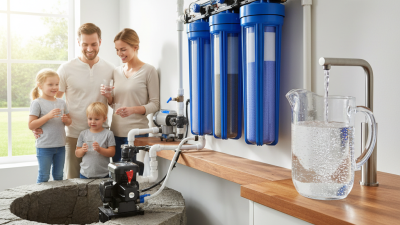
Many homeowners rely on well water for drinking and household use. Understanding the different filtration methods helps protect your family. Issues like bacteria, sediment, and chemicals can jeopardize health. Selecting the right filtration system is not simple; it requires careful consideration.
Various technologies exist, yet not all are effective in every situation. Some may overlook specific contaminants in their design. Regular testing and system maintenance are necessary to ensure effectiveness. Ultimately, choosing the best method of water filtration for well water is essential. Your family's safety and health depend on these choices.
Understanding the Importance of Water Filtration for Well Water Safety
Access to clean water is vital for health. Well water often contains impurities. These include bacteria, heavy metals, and sediments. Filtration helps remove these dangers. Understanding how filtration works is essential for safety.
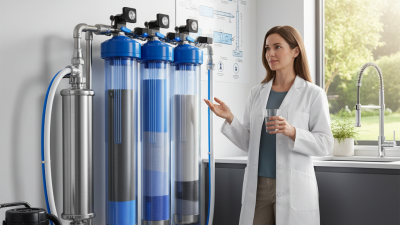
Common methods include activated carbon filters, UV light disinfection, and reverse osmosis. Each has its own strengths. Activated carbon removes bad tastes and odors but may not eliminate all contaminants. UV light kills harmful microorganisms, yet it doesn't filter out solids.
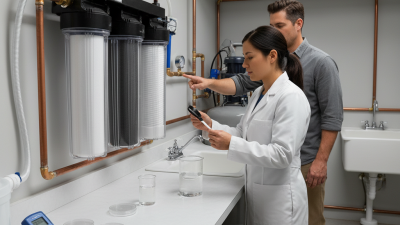
It's crucial to test your well water regularly. Many people overlook this step. They assume their water is safe because it looks clear. Over time, more contaminants can enter the well. Being proactive about filtration ensures safer drinking water. The process is not foolproof and requires ongoing attention.
Top Water Filtration Methods for Well Water Safety
Understanding the importance of various water filtration methods for ensuring the safety of well water. Below is a comparison of effectiveness in removing common contaminants:
Common Contaminants Found in Well Water and Their Risks
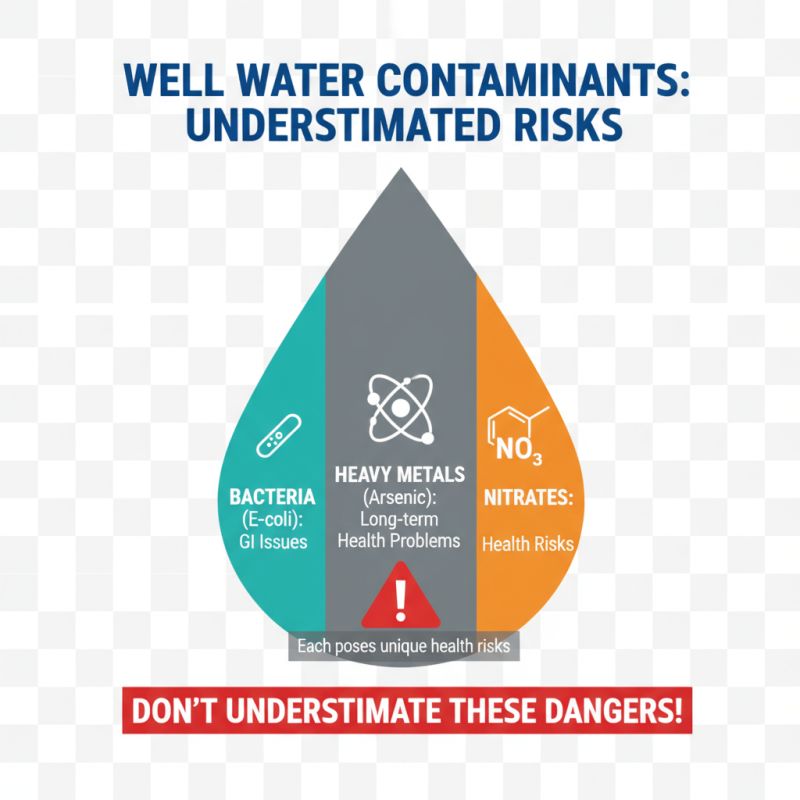
Well water can harbor various contaminants. Common ones include bacteria, heavy metals, and nitrates. Each poses unique risks to health. For instance, bacteria like E. coli can cause serious gastrointestinal issues. Heavy metals, such as arsenic, have been linked to more severe long-term health problems. People often underestimate these risks.
Nitrates are commonly found from agricultural runoff. They can lead to a condition called methhemoglobinemia, especially in infants. People may not realize they are exposing their families to dangers. Many wells lack proper testing, allowing these substances to remain unnoticed. Even visually clear water can contain harmful agents.
Awareness is essential. Regular testing is often neglected, yet it's crucial for safety. Many assume they don't need to worry about contamination. However, the silent threats in well water demand attention. Simple filtration methods exist, but they may not address every contaminant. Careful consideration and periodic checks can help safeguard health. Ignoring these issues could lead to serious consequences.
Overview of Popular Water Filtration Methods for Wells
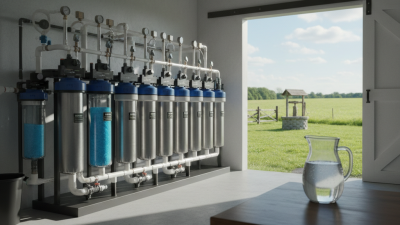
When it comes to well water safety, filtration methods are essential. Many homeowners may not consider the quality of their well water. Yet, according to the Centers for Disease Control and Prevention, about 15% of U.S. households rely on well water. This means millions may be at risk without proper filtration.
One popular filtration method is sediment filtration. This process removes larger particles, like sand and silt. Research indicates that sediment filters can remove up to 99% of solid particles from water. However, homeowners often overlook the need for regular maintenance. If not cleaned, these filters can become clogged, leading to reduced water flow and effectiveness.
Another common method is activated carbon filtration. This method targets chlorine and volatile organic compounds. Studies reveal that activated carbon can remove up to 90% of these contaminants. However, many people fail to replace their filters on time. A worn-out filter can allow harmful substances back into the water supply. Ensuring the longevity and effectiveness of water filtration systems is crucial for maintaining safe drinking water.
Step-by-Step Guide to Selecting the Right Filtration System
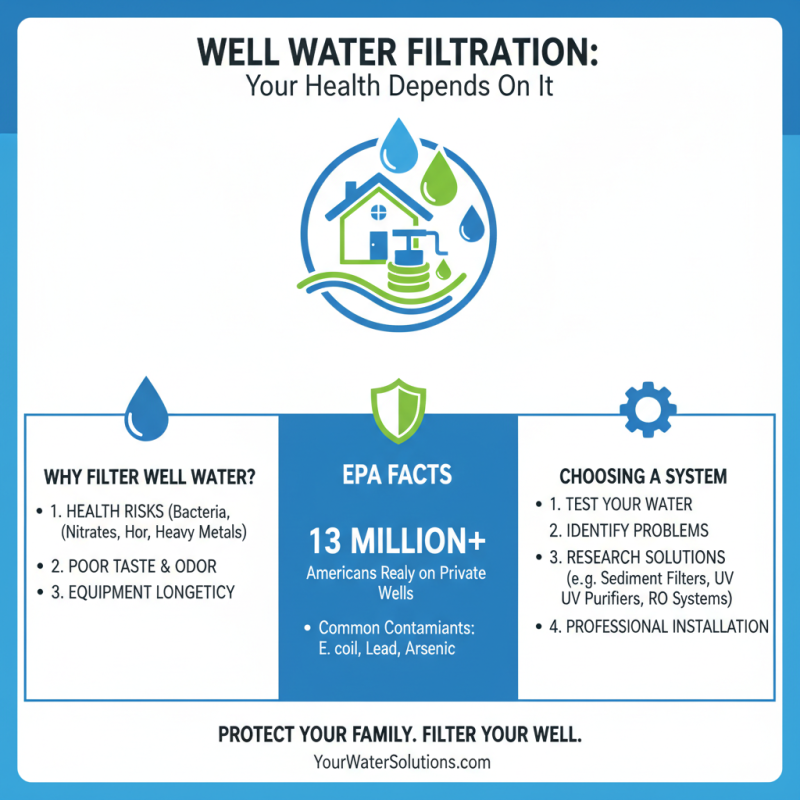
Choosing the right water filtration system for well water is crucial for health. Many homeowners underestimate the importance of filtration. According to the Environmental Protection Agency (EPA), over 13 million Americans rely on private wells. Contaminants in well water may include bacteria, nitrates, and heavy metals. These pollutants can adversely affect health and drinking quality.
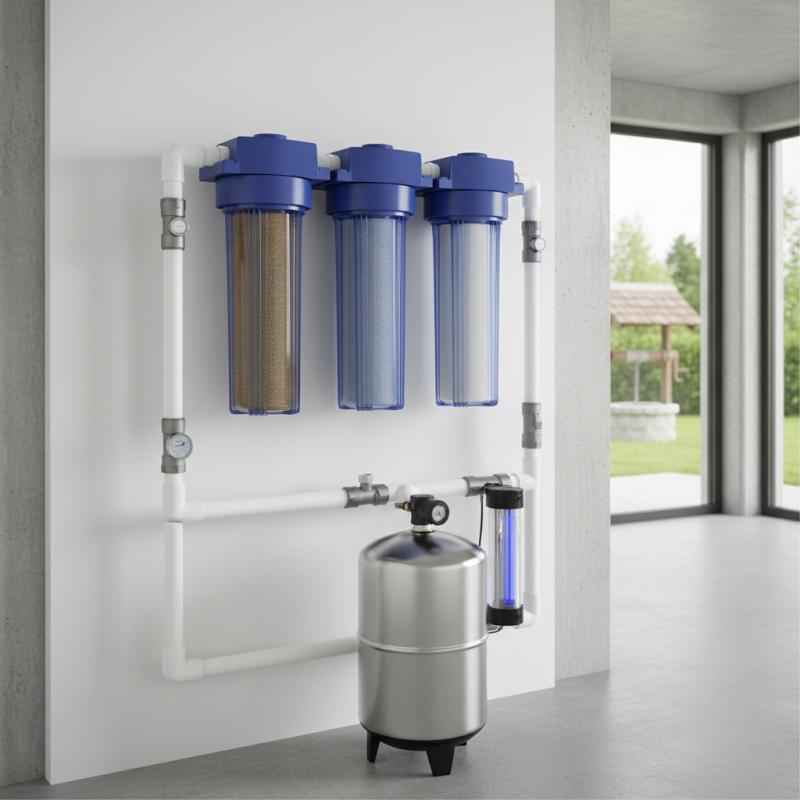
When selecting a filtration system, consider water testing first. Testing reveals specific contaminants. This information helps narrow down suitable filtration types. For instance, reverse osmosis systems can remove many harmful substances. Activated carbon filters are effective against chlorine and volatile organic compounds (VOCs).
Tips: Regularly test your water, even after installing a system. Filters need changing, and some contaminants may fluctuate. Invest in a system that matches your specific needs. Not every filter will work for every situation. Keeping records of your water tests can inform adjustments to your filtration system over time. Remember, filtration is not a one-size-fits-all solution. Always remain vigilant regarding water quality.
Maintenance Tips for Ensuring Effective Water Filtration Performance
Maintaining effective water filtration for well water is crucial for health and safety. Regular maintenance routines can significantly extend the life of your filtration systems. A study published by the Water Quality Association reveals that 50% of well water systems fail to meet safety standards due to inadequate maintenance.
Monitor filter pressure regularly. If you notice a pressure drop, it may indicate a clogged filter. Cleaning or replacing filters as needed helps maintain optimal performance. Don't overlook the importance of annual water testing. Regular testing can identify harmful contaminants like nitrates or bacteria, ensuring safe drinking water.
Inspect your system at least twice a year. Look for leaks or rust. These issues can compromise filtration efficiency. It's recommended to flush your system according to the manufacturer’s instructions. Neglecting these steps can lead to contamination issues. In some cases, users report experiencing strange tastes or odors when a system isn't maintained properly. Keeping a maintenance log might help track performance and problems. This approach fosters proactive management and improves overall water quality.