What is a Valve DC Gear Motor and How Does it Work?
The "Valve DC Gear Motor" is a crucial component in various industries, particularly in automation and control systems. According to recent industry reports, the global gear motor market is expected to reach USD 15 billion by 2027, driven by the increasing demand for efficient motion control solutions. The integration of valve technology into DC gear motors enhances their functionality, allowing for precise control over fluid or material flow.
These motors are designed to provide torque and speed regulation, making them essential in applications like robotics, automotive systems, and manufacturing machinery. However, there is often a lack of understanding regarding their operational intricacies. While the technology is advancing, users may overlook factors such as load calculations and appropriate gear ratios, leading to performance issues.
In many projects, choosing the correct Valve DC Gear Motor can be challenging. It requires careful consideration of specific application needs. The relationship between motor size, torque output, and energy efficiency can be complex. Missteps in selecting these parameters may lead to underperformance or overconsumption of resources, prompting a need for continuous learning and adaptation in this evolving field.
What is a Valve DC Gear Motor?
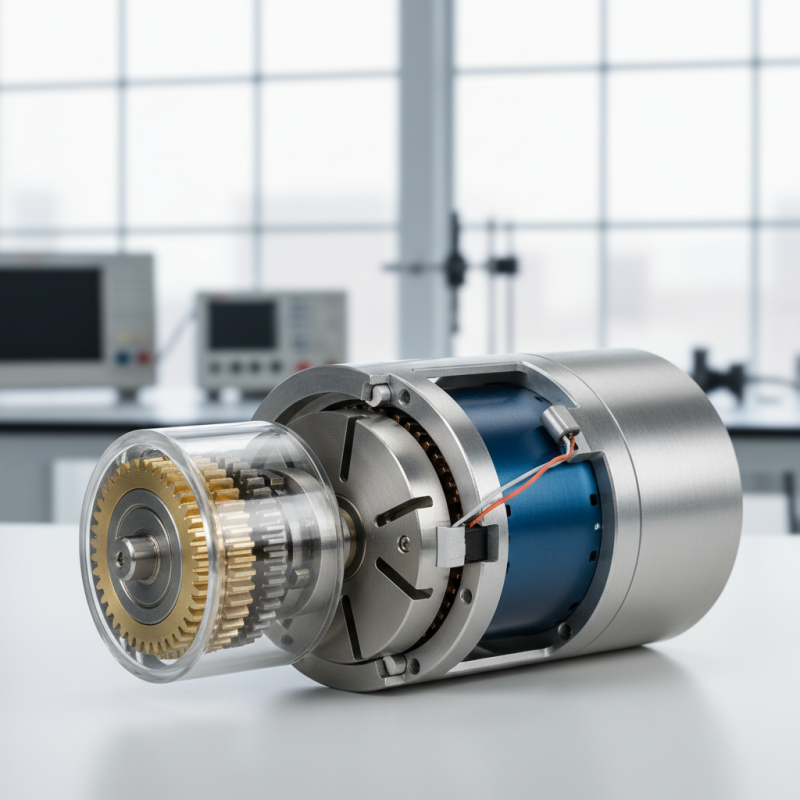
A Valve DC Gear Motor is a specialized electric motor designed for precise control in various applications. It combines a direct current (DC) motor with a gear mechanism. This combination allows for high torque at lower speeds, making it ideal for controlling valves in piping systems or hydraulic equipment.
These motors operate by converting electrical energy into mechanical energy. The DC motor spins, and the attached gear system reduces its speed while increasing torque. This enables the motor to perform tasks such as opening or closing valves with accuracy. They are commonly used in industrial automation and automotive applications.
**Tips:** Ensure proper alignment when installing a Valve DC Gear Motor. Misalignment can lead to increased wear and tear. Regular maintenance is essential to keep the motor functioning efficiently. Check for any signs of overheating or unusual noise, which could indicate potential issues.
Choosing the right gear ratio is crucial for performance. A mismatch might lead to insufficient power or speed for your specific needs. Always evaluate the requirements of your application before making a selection.
What is a Valve DC Gear Motor and How Does it Work?
| Feature | Description |
| Motor Type | DC Gear Motor |
| Voltage Range | 6V to 24V |
| Output Power | 1W to 200W |
| Typical Gear Ratio | 10:1 to 500:1 |
| Speed Range | 5 RPM to 300 RPM |
| Torque Output | 0.5 kg.cm to 10 kg.cm |
| Applications | Robotics, Conveyor Systems, Automated Valves |
| Control Method | PWM, Analog Voltage |
Components of a Valve DC Gear Motor
A Valve DC Gear Motor is essential for automating valve operations. Understanding its components helps grasp how it functions efficiently. The primary elements include the DC motor, gear assembly, and the control system.
The DC motor converts electrical energy into mechanical energy. It spins at high speeds, generating torque for movement. Attached to the motor is the gear assembly. This set of gears reduces the motor speed while increasing torque. It allows precise control of the valve position.
Another crucial part is the control system. This system regulates the motor’s speed and direction. It receives signals from sensors and adjusts the operation accordingly. Despite this setup, some issues may arise. Gear wear and motor overheating can hinder performance. Regular maintenance is vital. Operators must stay vigilant. Each component relies on the others for smooth operation. Simple mistakes can lead to significant consequences.
How Does a Valve DC Gear Motor Operate?
A Valve DC gear motor integrates a direct current (DC) motor with a gear assembly. This combination enhances torque and reduces speed. The gear ratio plays a crucial role in determining the output characteristics. For instance, the gear ratio can be between 5:1 and 100:1, affecting the motor's performance significantly.
The operation of a Valve DC gear motor is straightforward. When electrical voltage is applied, the motor spins. The gears then translate this motion into a slower, more powerful output. This allows for precise control in applications like robotics and automotive systems. According to industry reports, about 70% of automation systems utilize geared motors to boost efficiency and performance.
In many cases, alignment issues can emerge in gear systems. These problems may affect overall efficiency. Misalignment can lead to increased wear and tear, reducing lifespan. Therefore, maintaining proper installation and regular checks is essential. Issues could lead to significant downtime, which costs industries time and resources. Ultimately, attention to detail in the setup and maintenance of valve DC gear motors is critical for their optimal operation.
Applications of Valve DC Gear Motors in Industries
Valve DC gear motors are integral in various industries. They convert electrical energy into mechanical motion efficiently. This conversion is particularly useful in applications requiring precise control. In sectors like manufacturing, robotics, and automotive, their roles are prominent. They help move machinery components and automate tasks.
These motors are often used in valve actuation. They regulate the flow of fluids in pipelines. Precision is critical in such scenarios. The gear mechanism amplifies torque. This means even small motors can manage heavy loads. Robotics heavily utilizes these motors too. They ensure accurate movements in robotic arms and automated systems.
Tips: When selecting a valve DC gear motor, consider the torque requirements. Always match the motor's specifications with your project's needs. Regular maintenance is essential for longevity. Monitoring can prevent unexpected failures, saving time and costs.
Advantages of Using Valve DC Gear Motors
Valve DC gear motors are becoming popular in various applications. They are compact and efficient. These motors are designed for precise control. Unlike typical motors, they include a gearbox. This feature provides high torque and reduced speed. It enhances the motor's performance significantly.
One major advantage is their energy efficiency. Valve DC gear motors consume less power. This can lead to lower operational costs over time. They are also versatile. You can find them in robotics, automotive, and industrial machinery. Their torque output is reliable, making them great for heavy tasks. However, noise levels could be an issue in some settings.
Another benefit is the easy integration into existing systems. They often feature a simple design. Users can install them without specialized skills. It’s worth noting that while they are reliable, occasional maintenance is necessary. Some users overlook this and face performance issues later. Their compact size can also limit heat dissipation, leading to potential overheating concerns.