2026 Top Pumps for Well Water How to Choose the Best One?
Choosing the right pump for well water can be challenging. With so many options available, it’s easy to feel overwhelmed. The right pump can significantly impact your water quality and efficiency. Every household has unique needs, and that can complicate decisions.
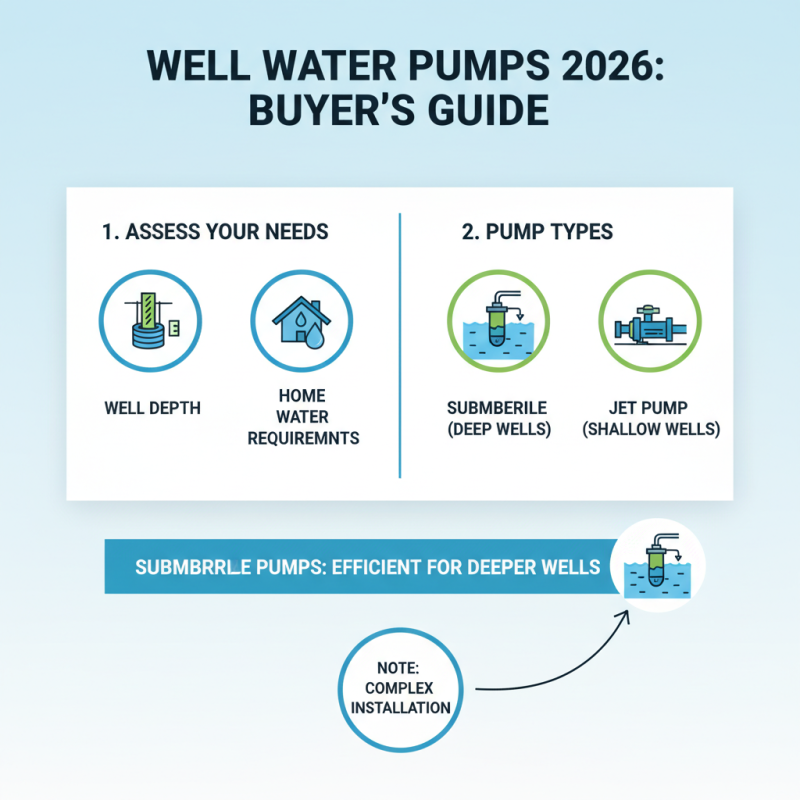
Consider the depth of your well. This factor really influences the type of pump you need. Submersible pumps work well in deep wells, while jet pumps are best for shallow ones. Think about your daily water usage too. It’s essential to match the pump’s capacity with your consumption.
Look closely at the features of various pumps for well water. Some pumps offer advanced filtration, while others focus on energy efficiency. Reflect on what’s most important for your situation. Make notes on what features seem appealing. Sometimes, balancing cost and quality can be tough. You may not find a perfect fit, but some may come close. Being informed can lead to better choices.
2026 Top Pumps for Well Water: An Overview of Available Options
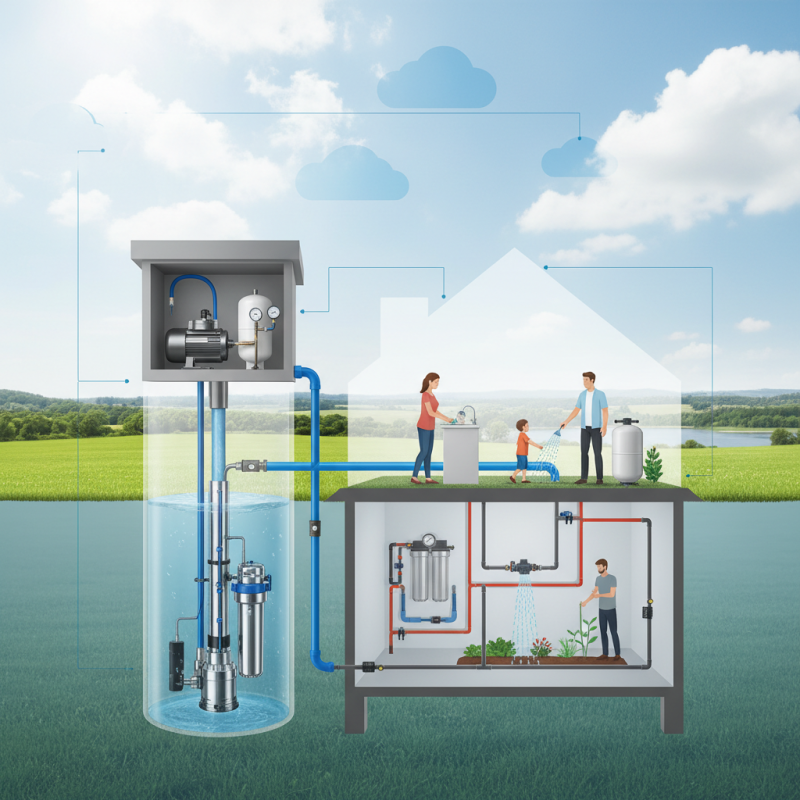
When it comes to selecting the best pumps for well water in 2026, various options stand out. Choosing the right pump involves understanding your needs first. This includes assessing the depth of your well and the water requirements of your home. Submersible pumps are a popular choice for deeper wells, as they operate underwater. They efficiently push water to the surface, but their installation can be complex.
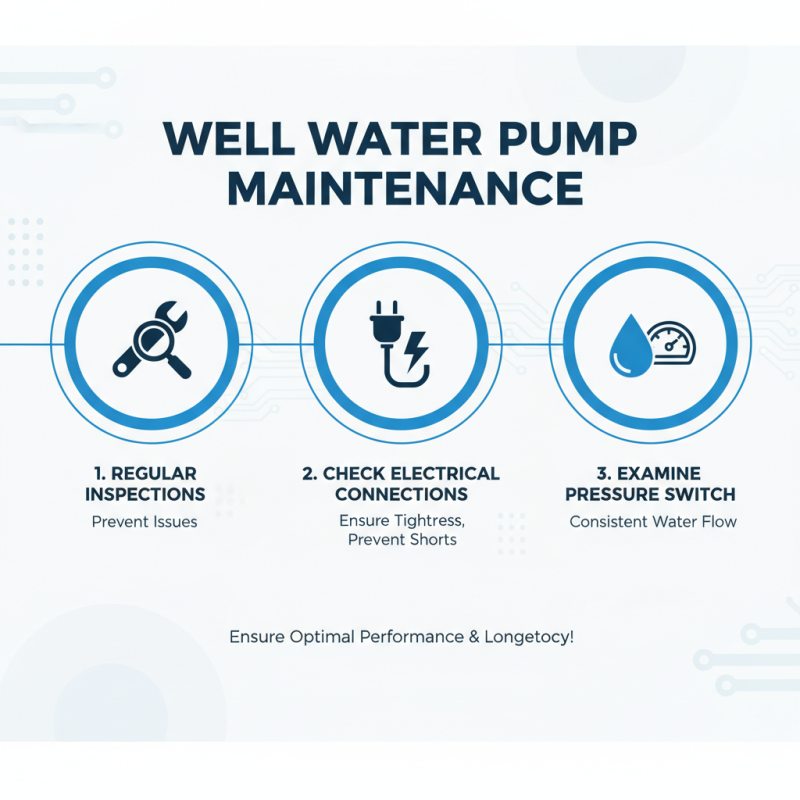
Jet pumps serve another purpose. They are ideal for shallow wells and can be easier to install. However, they require a strong pressure to function effectively. You might encounter issues with sediment clogging the system, leading to reduced efficiency over time. It's important to consider the maintenance needs of each pump type. Regular checks can help prevent major issues later.
Solar pumps are gaining popularity too. These pumps harness solar energy, which may reduce electricity costs. Yet, their efficiency depends on sunlight availability. If your area has frequent cloudy days, this choice might require reevaluation. Remember, the ideal pump for your well should match not just your budget, but also your long-term water needs. Testing various options can lead to better decisions.
Factors to Consider When Choosing a Well Water Pump
When choosing a well water pump, several key factors require careful consideration. The depth of your well is crucial. A pump designed for a shallow well will not function effectively in a deep well. Reports indicate that 40% of homeowners experience pump failure due to improper depth assessment.
Another important factor is the flow rate. A pump should meet your household's water demand, typically measured in gallons per minute (GPM). According to industry standards, a family of four usually needs around 10 to 12 GPM. Insufficient flow can lead to inadequate water supply.
Lastly, consider the pump type. Submersible pumps are efficient for deeper wells, while jet pumps work well for shallow applications. The wrong type can lead to reduced efficiency and higher energy costs. Industry statistics suggest that up to 30% of pumps operate suboptimally due to mismatched types. Always evaluate your specific needs carefully before making a selection.
2026 Top Pumps for Well Water: How to Choose the Best One?
| Pump Type |
Flow Rate (GPM) |
Max Depth (ft) |
Power Source |
Efficiency Rating |
Price ($) |
| Submersible Pump |
15 |
300 |
Electric |
80% |
400 |
| Jet Pump |
10 |
150 |
Electric |
75% |
250 |
| Hand Pump |
5 |
50 |
Manual |
N/A |
150 |
| Solar Pump |
12 |
200 |
Solar |
85% |
600 |
| Windmill Pump |
8 |
100 |
Wind |
70% |
800 |
Types of Well Water Pumps: Pros and Cons Explained
When choosing a well water pump, understanding the types available is crucial. Submersible pumps are popular for deep wells. They work by pushing water to the surface. This type usually offers high efficiency. However, they can be costly to install and maintain. Also, if they fail, retrieving them can be a difficult task.
Jet pumps are another option. They work well for shallow wells. These pumps are easier to access and repair. However, they might not be as efficient for deeper wells. Also, they can be noisy. Some users dislike the sound, which can be disruptive. A hand pump may be a suitable choice for some. It's simple, effective, and does not rely on electricity. Yet, it requires physical effort and may not supply enough water for large families.
Regardless of the type you choose, consider the specific needs of your household. Think about your well's depth, water demand, and power availability. Make sure to assess long-term costs versus initial investment. Each pump type has its strengths and weaknesses. Reflecting on these factors will guide you in selecting the best pump for your needs.
2026 Top Well Water Pumps: Performance Comparison
This chart compares the performance ratings of different types of well water pumps, including submersible pumps, jet pumps, hand pumps, and solar pumps. Each pump type is rated from 1 to 10 based on efficiency, reliability, and ease of use.
Key Features to Look for in a Well Water Pump
When selecting a well water pump, several key features are essential. The pump's horsepower is crucial. Most residential pumps range from 0.5 to 2 HP. A higher HP usually means better performance and a higher output. However, it’s important to choose one that matches your well’s depth and flow rate. A pump that is too powerful can lead to excessive energy costs.
Consider the material of the pump. Stainless steel is often recommended due to its durability and corrosion resistance. According to industry reports, a well-maintained stainless-steel pump can last longer than 15 years. Plastic pumps may be cheaper but often have shorter lifespans. Moreover, pay attention to the pump's efficiency. An EnergyStar-rated pump can save significant electricity over time.
Tips: Check the warranty offered. A good warranty can save you costs on repairs. Also, think about the noise level. Some pumps are quieter than others. If noise is a concern, read reviews before purchasing. Always consult with a professional to ensure you make the best choice. Choices made today can impact your water system for years to come.