Top 10 Features of the Best Well Filter System for Clean Water?
Finding clean water is essential for every household. A well filter system can help provide safe drinking water. This system ensures that harmful contaminants are removed from your water supply. But not all well filter systems are created equal.
When selecting the best well filter system, consider its features carefully. Some systems excel in filtration efficiency. Others may offer better ease of use or maintenance. The effectiveness of a well filter system can vary greatly. Misleading marketing can lead to poor choices, resulting in unsafe water.
Reflecting on your needs is crucial. Think about the specific contaminants in your area. A well filter system should cater to those challenges. Focus on durability, cost-effectiveness, and user-friendliness in your selection. Investing in the right system can make a significant difference for your health. Be honest about what you truly need.
Key Considerations for Selecting a Well Filter System
Selecting a well filter system for clean water is crucial. Consider the water quality in your area. Regular testing of your well water can provide vital data. According to the Environmental Protection Agency, approximately 13 million households rely on private wells. Understanding contaminants like bacteria and heavy metals is essential for making informed choices.
Capacity is an important feature. A well filter system must handle the water flow rate from your well. Too small a system can lead to inadequate filtration. On the other hand, an oversized system may waste resources. It’s necessary to assess your household’s daily water needs.
**Tip:** Regular maintenance is vital. Clogged filters can reduce water quality. Aim to replace filters every six months. Also, ensure that the system's performance is monitored regularly.
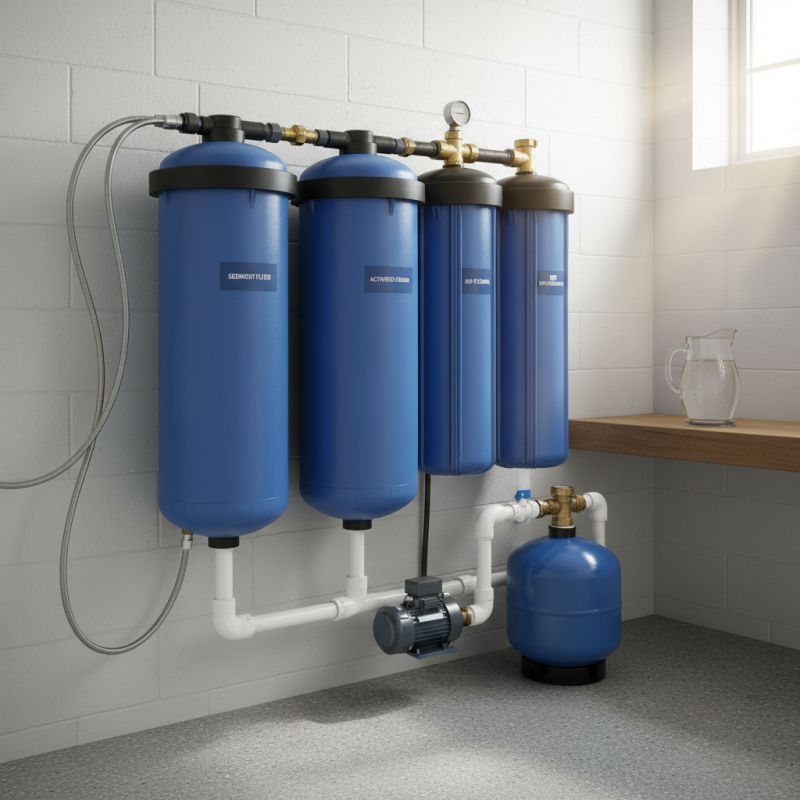
Look at the filtration technologies offered. Some systems use multi-stage filtration. Others utilize UV purification. Each method has its pros and cons. It's worth noting that, in rural areas, sourcing clean water can vary significantly compared to urban settings. Understanding these differences can protect your health.
**Tip:** Always consult with a water treatment professional. They can guide you in selecting the right system. Take your time in the decision-making process. Your health depends on it.
Top 10 Features of the Best Well Filter System for Clean Water
Essential Filtration Technologies for Clean Water
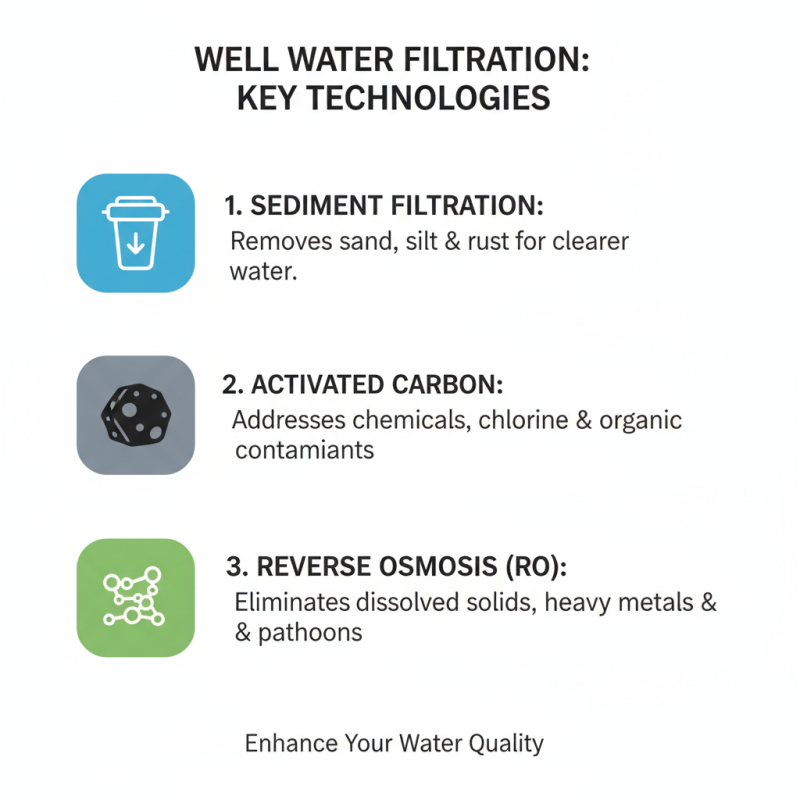
When selecting a well filter system, focus on essential filtration technologies. These technologies can significantly enhance water quality.
Activated carbon filters are a popular choice. They effectively remove contaminants, including chlorine and sediment. This process improves taste and odor. However, they require regular replacement. Failing to do so may lead to recontamination.
Reverse osmosis is another effective method. It removes dissolved solids and impurities, ensuring cleaner water. This system works well but can waste water in the process. It's crucial to monitor this aspect.
UV filters eliminate harmful bacteria and viruses. They use ultraviolet light for disinfection. Though efficient, they require electricity. A power outage could compromise safety.
Ceramic filters are durable and reusable. They can capture larger particles, making them a great option. Yet, they have limitations in removing chemicals. Regular maintenance is essential to keep them functional. Overall, choose a filtration system that aligns with your specific needs and considerations.
Understanding Water Quality Standards for Well Systems
Understanding water quality standards is crucial for well systems. These standards ensure the water is safe for consumption. Contaminants can pose health risks. Proper filtration and testing can reduce these risks. Unfortunately, many people overlook these important factors.
For a well filter system, features matter significantly. Effective filtration removes sediment, bacteria, and chemicals. Understanding local water sources helps in this regard. Regular testing for contaminants is often neglected. Such tests show if the water meets safety guidelines. Many assume their water is clean without checking. That can lead to harmful consequences.
Awareness of water quality is essential. The best systems adapt to various contaminants. They should also include easy monitoring. Nevertheless, user understanding varies widely. Education on these standards is lacking. People must take responsibility for their water sources. Clean water should not be a luxury; it is a necessity.
Top 10 Features of the Best Well Filter System for Clean Water
| Feature | Description | Importance |
|---|---|---|
| Multi-Stage Filtration | Utilizes multiple filters to remove various contaminants like sediments, bacteria, and chemicals. | Ensures comprehensive water purification for safe consumption. |
| UV Purification | Uses ultraviolet light to disinfect water by eliminating harmful microorganisms. | Important for biological safety and reducing waterborne diseases. |
| Activated Carbon Filter | Removes organic compounds and improves taste and odor of water. | Enhances palatability and removes potential toxic substances. |
| Pressure Tank | Stores water under pressure to ensure consistent flow and minimize pump cycling. | Improves system efficiency and longevity of the pump. |
| pH Balancing | Adjusts the acidity or alkalinity of water for optimal quality. | Essential for preventing corrosive water issues and protecting plumbing. |
| Smart Monitoring System | Real-time monitoring of water quality parameters such as turbidity and chemical levels. | Provides immediate alerts for any quality issues, ensuring safety. |
| Durability | Constructed from high-quality, corrosion-resistant materials. | Ensures long-lasting performance and reduces maintenance costs. |
| Installation Flexibility | Can be installed in various settings, including residential and rural areas. | Makes it accessible for diverse users and locations. |
| Energy Efficiency | Designed to consume less energy during operation. | Reduces environmental impact and lowers utility bills. |
| User-Friendly Interface | Easy-to-use controls and displays for monitoring and managing the system. | Enhances user experience and simplifies maintenance. |
Maintenance and Longevity of Well Filter Systems
Maintaining a well filter system is essential for ensuring clean water. Regular inspection can catch issues early. Check for clogs or sediment build-up every few months. Over time, filters can wear out. Replacing filters according to the manufacturer's guidelines is crucial.
Longevity is often overlooked. Factors like water quality and usage impact the lifespan of filters. Harsh minerals can accelerate wear. If not addressed, this can lead to decreased performance. Users should also monitor the pressure gauge regularly. A drop in pressure might indicate a problem.
Consider a simple maintenance routine. Clean the pre-filters routinely. This effort can help in extending the filter's life. However, some users might forget regular checks. The consequence? Lower water quality. It’s a reminder to stay proactive. Consistent care can result in better water and less frequent replacements. Always be aware of changes in taste or smell; these could hint at deeper issues.
Cost-Effectiveness and Value of Top Well Filter Options
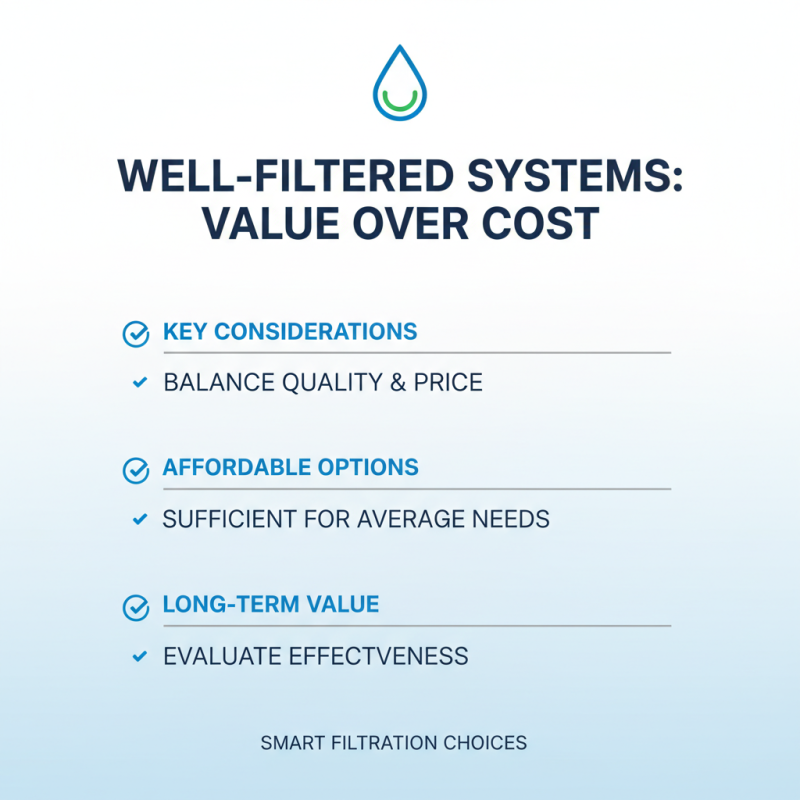
When selecting a well filter system, cost-effectiveness is key. Many options exist, but not all deliver great value. A high initial cost does not always mean better performance. Look for systems that balance quality and price. Some affordable filters may suffice for average household needs. Yet, their long-term effectiveness should always be considered.
Maintenance costs can add up. Budgeting for filter replacements and periodic checks is crucial. Some systems require less frequent maintenance, saving you time and money. Simplicity in installation matters too. Complicated setups can deter users, leading to frustration. Evaluate the overall value, not just the upfront price tag.
Reflecting on the true needs of your household is essential. A filter that suits one home may not work for another. Assess water quality to determine your requirements. Understand the specific contaminants targeted by different systems. Finding the right balance between cost and performance can take time and research. Avoid rushing into decisions, as this could lead to costly mistakes.
Related Posts
-
Understanding the Importance of a Well Water Filter System for Your Family's Health
-
What is a Water Filter Cartridge and How Does it Improve Water Quality
-
The Ultimate Guide to Choosing the Best Drinking Water Filtration System for Your Home
-
Top 5 Best Drinking Water Filtration Systems for Clean and Safe Water
-
Top 5 Best Well Filtration Systems to Ensure Pure Drinking Water
-
What is a Drinking Water System? Key Insights and Industry Data Revealed