Top 10 Water Testing Methods You Should Know?
Water testing is essential for ensuring safe drinking water. It involves various methods to examine water quality. Understanding these methods can help consumers and professionals make informed decisions.
Contaminants in water pose health risks. Therefore, knowing how to test water is crucial. The right method can reveal important information about water purity. However, many people overlook the significance of regular testing.
Some may rely on visual inspections alone. This can lead to false confidence in water safety. Testing requires precision and knowledge. Each method has its own strengths and weaknesses. Choosing the best one depends on specific needs and conditions. This guide will explore the top ten water testing methods essential for everyone.
Understanding the Importance of Water Testing in Public Health
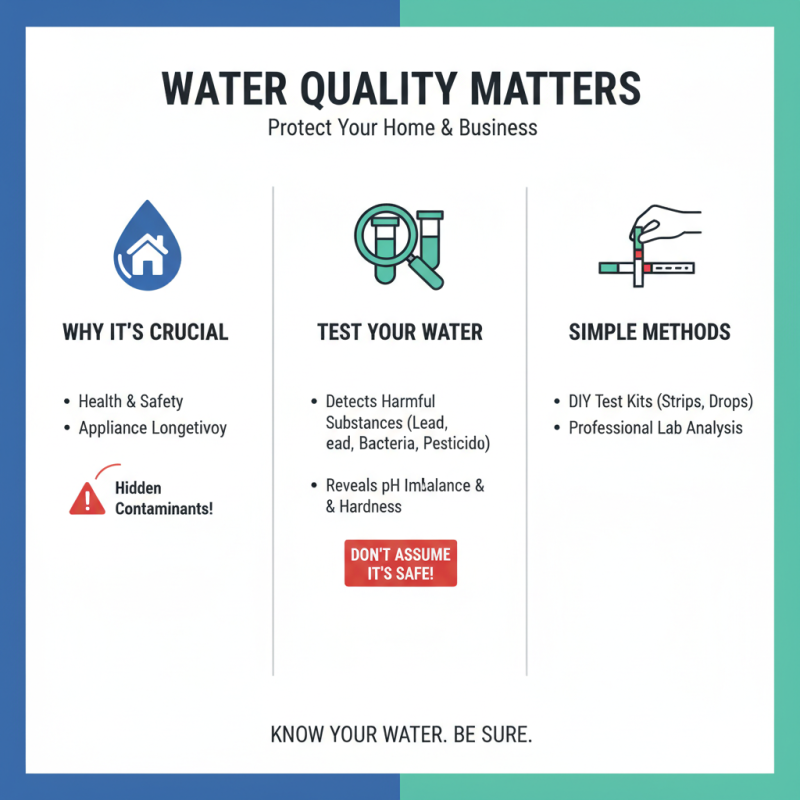
Water testing plays a crucial role in public health. Contaminated water can lead to serious health issues. Bacterial infections, chemical exposure, and toxins are just a few risks. Regular testing helps identify these dangers before they affect communities. Many people underestimate this need. They assume tap water is safe without verifying.
Different methods exist to test water quality. Some involve simple kits, while others require advanced lab analysis. It's not always clear which method is best for a specific situation. This uncertainty can leave communities vulnerable. Visual signs of contamination are not always visible. Just because water looks clear doesn't mean it is safe.
Education is vital. Communities must understand the significance of water testing. Public awareness campaigns can encourage more proactive measures. People should be equipped to make informed decisions about their water sources. A little knowledge can go a long way. It empowers individuals to take charge of their health and safety. The more we learn, the better we can protect ourselves and our loved ones.
Step-by-Step Guide to Sample Collection for Accurate Results
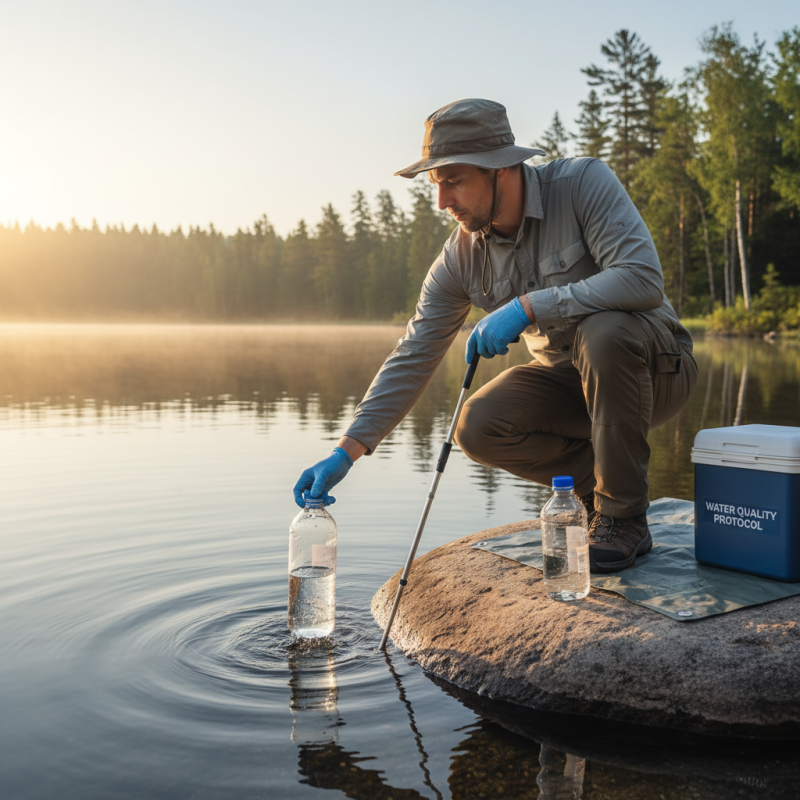
When collecting water samples, follow a series of simple but important steps for accurate results. Choose a clean, contaminant-free container. Rinse it with the water to be tested. This rinsing step is vital. It eliminates any residue that might affect tests. Make sure to collect the sample from the appropriate depth. For surface waters, collect near the middle of the zone. If you’re testing groundwater, use a dedicated pump.
Timing is crucial. Collect samples during consistent flow conditions. If testing a river, avoid times of heavy rainfall. Document everything: date, time, and location. This information is critical for reproducibility. Use labels that clearly mark the sample type. Don’t forget to secure the tops of containers tightly. This prevents contamination.
Lastly, ensure you transport samples in a temperature-controlled environment. If the water is warm, it can lead to unwanted changes. If you make mistakes, note them. This process is part of refining your methods. Consistent practice leads to better results. Being open to improvements can enhance your testing accuracy over time.
Analyzing Water Quality: Key Parameters and Their Testing Techniques
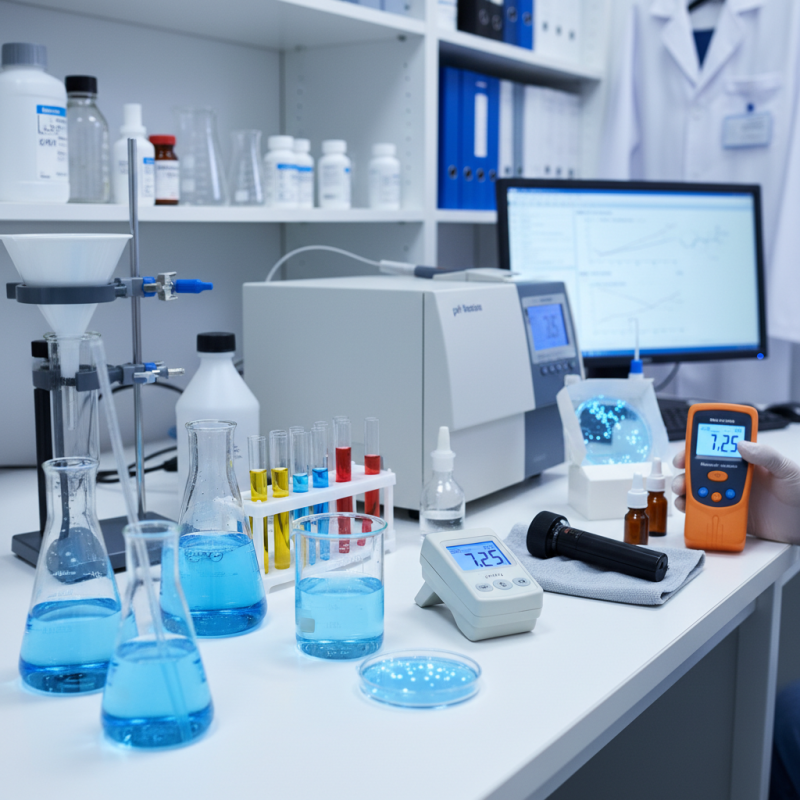
Water quality significantly impacts our health and environment. Testing various parameters is essential. Key elements include pH, turbidity, and contaminants. Each parameter requires specific techniques for accurate analysis.
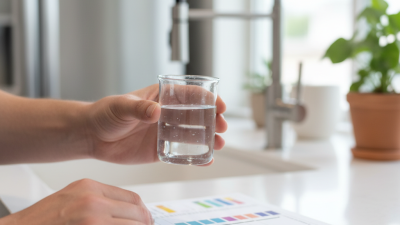
pH measures acidity. It influences aquatic ecosystems. Use pH strips or electronic meters for results. Be aware, low pH can indicate corrosion. Regular checks are needed to ensure safe drinking water.
Turbidity refers to water clarity. High turbidity can harbor bacteria. A simple jar test can give insights. Fill a jar with water, let it settle, and observe. It’s not always precise but offers a quick visual indication.
Tip: Always clean your testing equipment before use. Contaminated tools can skew results.
Testing for contaminants, such as heavy metals, is crucial. Water samples must be sent to a lab for detailed analysis. Do not overlook this step; it’s vital for community health.
Tip: Next time you fill a glass, think about what’s in it. Regular testing can prevent surprises.
Awareness is key in maintaining water quality. With proper methods, we can ensure safer water for all.
Interpreting Water Test Results: What Do They Mean for You?
When interpreting water test results, it's crucial to understand their implications for your health. For instance, the U.S. Environmental Protection Agency (EPA) reports that over 13 million households rely on private wells. Testing in these areas reveals that nearly 23% of wells contain contaminants like nitrates and bacteria. These findings highlight a significant risk for those unaware of their water quality.
Furthermore, understanding specific contaminants is vital. For instance, lead contamination can stem from aging pipes. The Centers for Disease Control and Prevention (CDC) indicates that lead exposure can cause developmental issues in children. A presence of lead above 15 parts per billion can be alarming. Regular testing can prevent such dangers.
Interpreting these results requires a careful analysis of the data. Numbers can seem abstract and daunting. But significant levels of certain contaminants, like coliform bacteria, can indicate additional testing is necessary. Local health departments often provide guidance. They can help interpret results and recommend appropriate actions. Being informed empowers communities to take charge of their water quality.