Essential Tips for Choosing a Cryogenic Gearbox for Your Needs
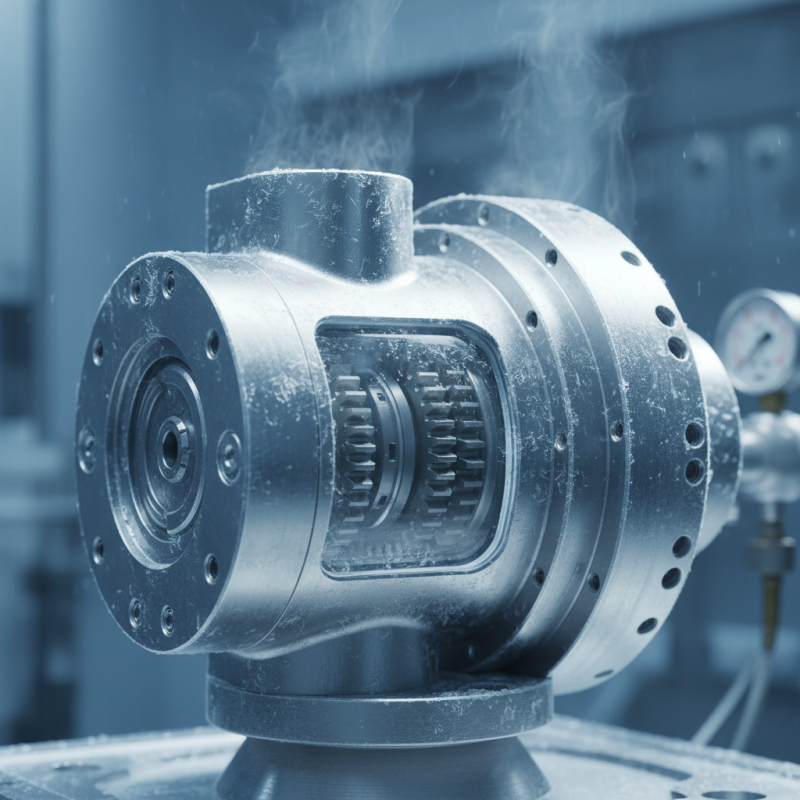
Choosing the right Cryogenic Gearbox is crucial for various industrial applications. These gearboxes operate under extremely low temperatures, impacting their performance and durability. Selecting a suitable gearbox requires a clear understanding of your specific needs and the operating environment.
When considering a Cryogenic Gearbox, various factors come into play. Material selection is vital, as components must withstand severe conditions. Think about the gearbox's efficiency and reliability. Not every gearbox will meet your requirements. Researching different options helps you make informed decisions.
It's easy to overlook small details when choosing a Cryogenic Gearbox. Mistakes can lead to system failures or costly repairs. Understanding the technical specifications will also guide your choice. By dedicating time to evaluate your options, you improve your chances of success.
Understanding Cryogenic Gearboxes and Their Applications
Cryogenic gearboxes are vital in various industries, from aerospace to medical technology. They function effectively in extreme temperatures, often below -150°C. Understanding their applications helps in maximizing efficiency. Industries rely on cryogenic gearboxes for tasks like LNG transport and other specialized operations.
When selecting a cryogenic gearbox, consider specific operational demands. Focus on torque requirements and the gearbox's material. Some materials struggle at low temperatures. Verify their durability under extreme conditions. Expert insights suggest reviewing the gearbox’s specifications closely. It's essential to ask about thermal performance ratings.
Tip: Regular maintenance plays a crucial role in performance longevity. Inspect seals and lubrication regularly. A minor oversight can lead to major failures. This emphasizes the need for informed decision-making. Choose a gearbox that aligns with your requirements and operational goals.
Essential Tips for Choosing a Cryogenic Gearbox
This chart illustrates the typical applications of cryogenic gearboxes in various industries, showing their frequency of use based on recent studies.
Key Factors to Consider When Selecting a Cryogenic Gearbox
Choosing a cryogenic gearbox is crucial for ensuring optimal performance in extreme environments. The first key factor to consider is material compatibility. The gearbox must withstand very low temperatures without losing structural integrity. Look for specific alloys or thermoplastics that are known to perform well under cryogenic conditions.
Next, evaluate the operating efficiency of the gearbox. Efficiency impacts not only performance but also energy consumption. A highly efficient gearbox may incur a higher initial cost, but it ultimately saves on operational expenses. Pay attention to the design as well. Some gearboxes are more compact, which can be beneficial for space-constrained applications.
You should also assess the technical support available from the manufacturer. Reliable support is essential in case of installation issues or operational challenges. Assessing the service history of a gearbox can inform your decision. Real-world testing often reveals unforeseen challenges.
Not every gearbox will perform as expected in every environment. Bias toward products with proven success in similar applications. This reflective approach helps minimize risks and enhance reliability.
Material and Design Specifications for Cryogenic Gearboxes
When selecting a cryogenic gearbox, material and design specifications are crucial. The operating environment is extremely cold, often below -150°C. Therefore, the materials must withstand such low temperatures without becoming brittle. Stainless steel is a popular choice due to its strength and resistance to corrosion. However, other alloys may also offer better thermal stability in specific applications. It's essential to consider the right combination of materials based on your unique operational needs.
Design plays a critical role in ensuring reliable performance. A compact design can save space, but it might limit heat dissipation. Larger gearboxes may manage heat better but can be cumbersome. Pay close attention to the lubrication system as well. Conventional lubricants may fail at cryogenic temperatures. Specialized lubricants designed for low temperatures help maintain functionality and extend the lifespan of the gearbox. Reflecting on these details can help you identify what is most important for your specific application.
Evaluating Performance and Efficiency in Cryogenic Gearboxes
When evaluating performance and efficiency in cryogenic gearboxes, key factors come into play. The operating temperature is critical. Cryogenic temperatures can affect material properties, resulting in changes in strength and flexibility. Selecting a gearbox that maintains performance in extreme conditions is essential.
In addition, consider efficiency ratings. Gearboxes should operate with minimal energy loss. Look for models designed specifically for cryogenic applications. Spindle speed and torque ratings also need attention. They should match the demands of your application. Gearbox design can influence thermal management, impacting overall efficiency.
Another aspect to ponder is lubrication. Cryogenic environments can affect lubricant performance. Ensure that the lubrication method can withstand low temperatures. Inspecting for wear or performance losses is also key. Regular maintenance introduces further reliability. Overall, the choice must balance various factors for optimal performance.
Maintenance and Longevity of Cryogenic Gearbox Systems
Choosing the right cryogenic gearbox is essential for optimal performance. Maintenance plays a key role in ensuring the longevity of these systems. Regular inspections can identify wear and tear, preventing potential failures. A well-maintained gearbox operates smoothly at extremely low temperatures, avoiding costly downtime.
It's crucial to implement a routine maintenance schedule. Lubrication should be checked frequently. Using the right lubricant prevents freezing and improves efficiency. Pay attention to seal integrity as well; damaged seals can lead to leaks and decreased performance.
Consider environmental factors. Vibration and thermal cycling can impact gearbox lifespan. Installing vibration dampers can help mitigate these effects. Additionally, monitoring operating temperatures is essential. Too much variability can lead to premature failure. Documenting performance data over time can provide valuable insights into your gearbox’s health.