How to Select the Best Well Water System for Your Needs?
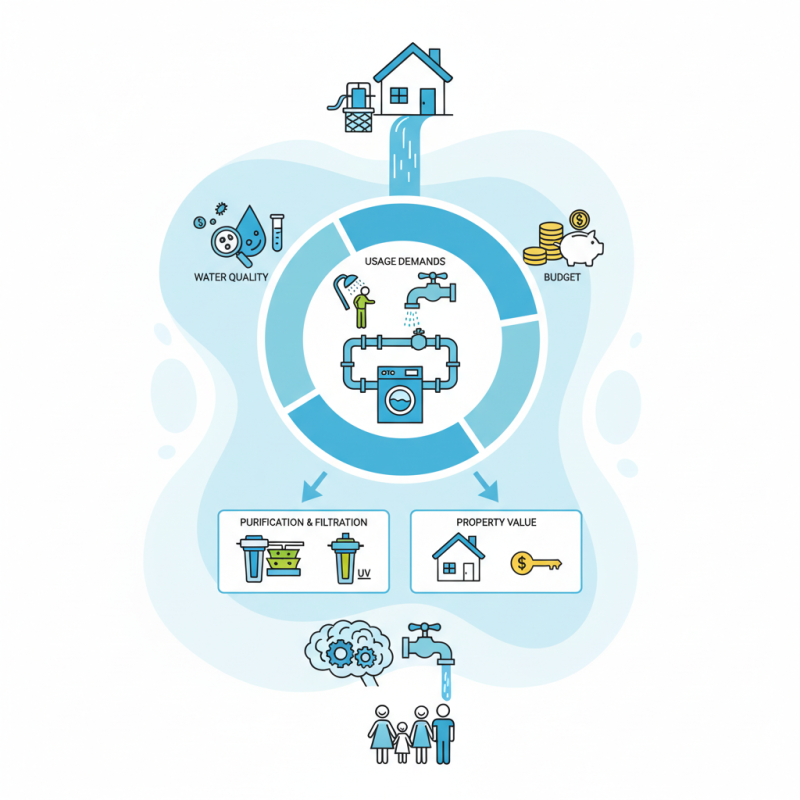
Selecting the right well water system is crucial for ensuring safe and clean water. Over 13 million households in the U.S. rely on private wells, according to the U.S. Geological Survey. However, not all well water systems are created equal. It's essential to consider various factors like water quality, usage demands, and budget when making a decision.
Understanding your specific needs can prevent costly mistakes. For instance, untreated well water may contain contaminants. In fact, the Centers for Disease Control and Prevention report that approximately 23% of private wells contain harmful bacteria. Hence, investing in the appropriate purification and filtration systems is vital for health and safety.
Moreover, the right well water system can enhance overall property value. Many buyers prefer homes with reliable water systems. Nonetheless, navigating the available options can be overwhelming. Enlightenment through informed choices will lead to better living conditions. Take time to assess your needs before purchasing.
Understanding Your Water Quality and Needs
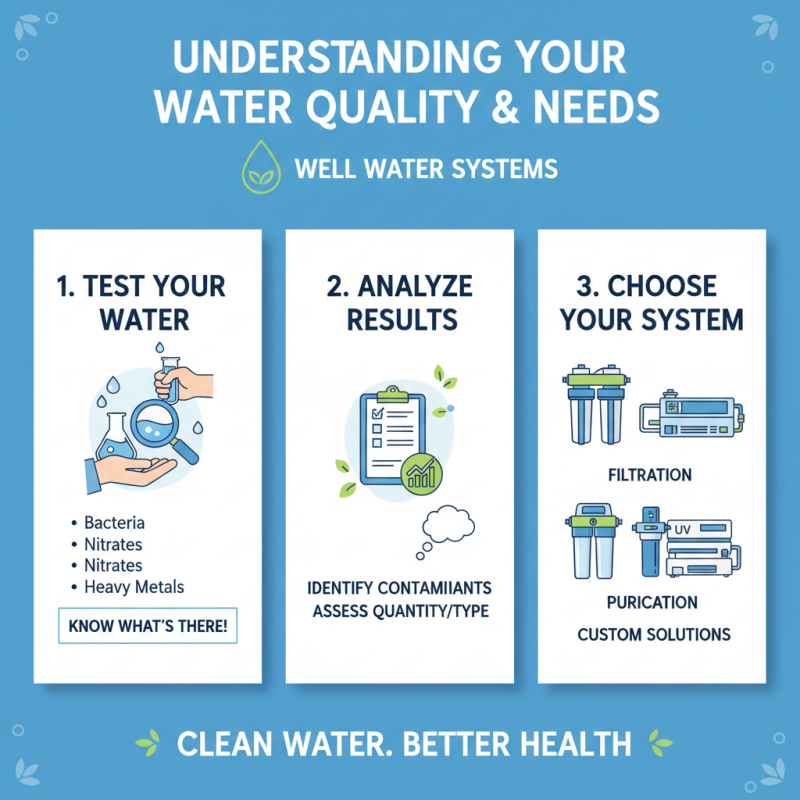
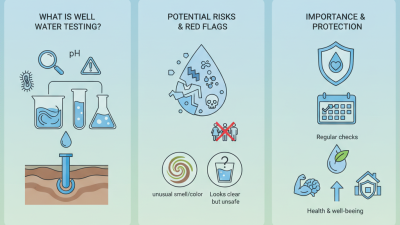
Understanding your water quality and needs is crucial when selecting a well water system. Start by testing your water. Check for contaminants like bacteria, nitrates, and heavy metals. You might be surprised by what you find. Analyzing your water helps in choosing the right filtration or purification methods.
Consider your household's specific needs. How many people use water, and what activities require it? Think about drinking, cooking, and bathing. Assessing your water demands ensures you choose a system that can keep up. It's common to overlook seasonal changes. Water quality can vary throughout the year, so regular testing is essential.
The process may feel overwhelming at times. Each home has unique requirements. No one-size-fits-all solution exists. Familiarize yourself with local water quality reports. They provide insight into common issues in your area. Take the time needed to reflect on your choices. It’s an investment in your health and future.
Evaluating Different Types of Well Water Systems
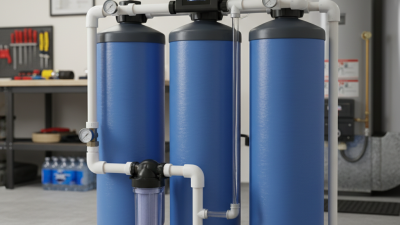
When choosing a well water system, it’s essential to evaluate your specific needs. Different types of systems can address various water quality issues. Common types include deep well pumps, submersible pumps, and jet pumps. Each has advantages and shortcomings. Take the time to assess your water source depth and the quality of your water.
Tips: Inspect the water’s pH, hardness, and contaminant levels. It’s crucial to know what you’re working with before selecting a system. Additionally, consider future expansions or changes. If you foresee needing more capacity, opt for a system with scalability.
Remember, not every system will fit your situation perfectly. You may encounter issues like inadequate pressure or insufficient flow. It’s wise to hire a professional for an assessment. This can help ensure you’re making an informed choice. Don’t rush this decision; well water systems have a significant impact on your daily life.
Factors to Consider in Selecting a Water System
When selecting a well water system, it's essential to consider several key factors to ensure it meets your needs effectively. Homeowners often overlook water quality. Testing your well water for contaminants is crucial. This includes checks for bacteria, heavy metals, and minerals. Understanding what’s in your water helps tailor the system to your requirements.
Another factor is water usage. Evaluate how much water your household typically consumes. Systems vary in capacity and efficiency. A family of four may need a different setup than a couple. Additionally, think about maintenance. Some systems require frequent upkeep, while others are more self-sustaining. A system that seems perfect might need too much attention, ultimately leading to frustration.
Budget is also a significant aspect. Prices can vary widely based on the system type. However, it's important not to choose solely based on cost. Cheaper options might save money upfront but could lead to higher maintenance expenses over time. Weighing long-term costs against immediate savings is vital. Reflecting on these factors will help guide your decision-making process.
How to Select the Best Well Water System for Your Needs?
| Factors |
Description |
Importance Level |
| Water Quality |
Assess the presence of contaminants like bacteria, minerals, and pH levels. |
High |
| Flow Rate |
Determine the amount of water required for your household needs per minute. |
Medium |
| System Type |
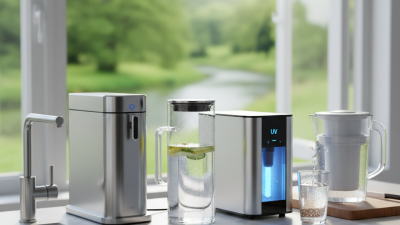
Choose from filtration systems, softeners, UV purifiers, or reverse osmosis. |
High |
| Maintenance Requirements |
Evaluate how often the system needs servicing or replacement parts. |
Medium |
| Cost |
Consider both initial installation and ongoing operational costs. |
High |
| Space Availability |
Check if there is enough space for the system installation. |
Low |
| User Friendliness |
Assess how easy it is to operate and monitor the system. |
Medium |
Assessing Installation and Maintenance Requirements
Choosing the right well water system requires thorough assessment. Installation and maintenance are critical factors. Many homeowners underestimate the complexity of these tasks. A report by the Water Systems Council reveals that over 30% of well systems experience malfunction due to improper installation. This statistic highlights the importance of professional input.
Installation often involves verifying well depth and water quality. A certified contractor can ensure compliance with local regulations. They can also assess the necessary permits. DIY installation might save money but often results in costly repairs. Moreover, a poorly installed system can lead to serious health risks. Contaminated water or inconsistent supply can result from negligence.
Maintenance is equally vital for a well system's longevity. Regular inspection, recommended every 6 to 12 months, is essential. According to the Centers for Disease Control and Prevention (CDC), wells should be tested annually for contaminants. Many homeowners forget this step, which can lead to dangerous water quality issues. Scheduling routine checks with a knowledgeable technician is advised. This proactive approach can prevent extensive damage and maintain water quality over time.
Budgeting for Your Well Water System Purchase and Upkeep
When budgeting for your well water system, start by determining your budget range. Assess your financial situation carefully. Include both the initial purchase and ongoing maintenance costs. This approach will give you a realistic expectation of your overall investment.
Tips: Always set aside extra funds for unexpected repairs and replacements. Well systems require routine checks and possible upgrades. Plan for any unforeseen issues that may arise.
Next, research local installation and maintenance services. This can significantly impact your overall budget. Prices vary based on service providers in your area. Balancing cost and quality is crucial. Sometimes, cheaper isn't always better. A reliable service may save you money in the long run.
Tips: Ask for quotes from multiple providers. Reviewing customer feedback helps gauge their reliability and expertise. Don’t rush the selection process; it can pay off later.
Cost Analysis of Well Water System Components
This bar chart illustrates the average costs associated with different components of a well water system, helping you budget effectively for both the initial purchase and ongoing upkeep.