Why You Should Invest in a Water Filter System for Your Home?
Investing in a water filter system can significantly impact your home and health. Many people overlook the quality of their drinking water. Contaminants can lurk in tap water, affecting taste and safety. A water filter system provides peace of mind.
Imagine drinking clear, fresh water every day. You can protect your family from harmful impurities. There are different types of systems available. Some are easy to install under the sink or faucet. Others can be more complex. It's essential to choose what works best for you.
However, some may hesitate. Purchasing and maintaining a water filter system can be costly. You might wonder if it's worth the investment. Evaluating your water quality can provide clarity. In the end, having clean water is vital for your well-being. Drinking filtered water can enhance your daily life. It's worth considering the long-term benefits.
Benefits of Clean Water for Health and Well-being
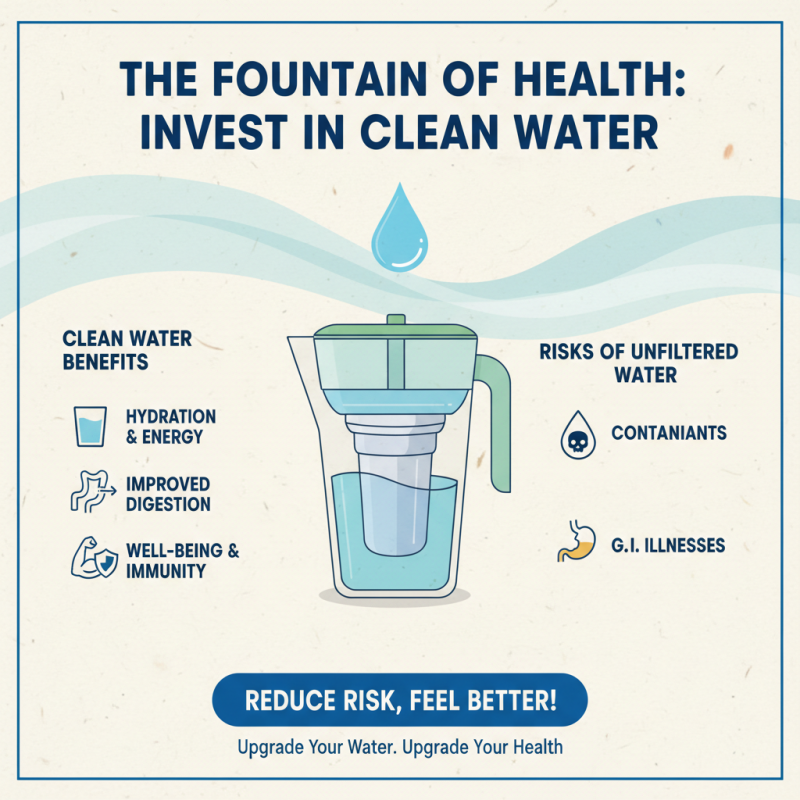
Investing in a water filter system can greatly enhance your health and overall well-being. Clean water is essential for proper hydration, aiding digestion and boosting energy levels. Contaminated water can lead to various health issues. Regular consumption of filtered water significantly reduces your risk of gastrointestinal diseases.
Tips: Consider testing your water quality first. This step helps identify specific contaminants in your tap water. You might be surprised by the results. Look into the purification methods that target these harmful substances.
Filtered water can improve the taste of your beverages and food. Cooking with clean water enhances flavors and preserves nutrients. Moreover, it may support better skin health. Many people notice fewer breakouts and improved complexion after switching to filtered water. A feeling of refreshment comes with each sip.
Tips: Remember to clean your filter regularly. Neglect can lead to bacterial growth. It's important to replace filter cartridges as recommended. This ensures you’re reaping the health benefits without any drawbacks. Reflection on your water consumption habits can reveal patterns worth changing.
Types of Water Filter Systems Available for Home Use
When considering water filter systems for home use, it's essential to understand the types available. Common options include activated carbon filters, reverse osmosis systems, and ultraviolet (UV) purifiers. Activated carbon filters are popular. They effectively reduce chlorine, sediment, and volatile organic compounds. Studies report that these filters can remove up to 99% of harmful contaminants, improving taste and safety.
Reverse osmosis systems provide thorough purification. They remove minerals, salts, and heavy metals. According to industry research, these systems can filter up to 95% of waterborne contaminants. However, they may also strip some beneficial minerals, which can lead to concerns about mineral balance in drinking water. It's a trade-off.
UV purifiers offer a different approach. They use light to kill bacteria and viruses. This method is efficient and minimizes chemical use. However, UV systems require electricity and can be less effective if the water is cloudy. Each system has its pros and cons. Choosing the right one depends on your water quality needs and lifestyle. Make sure to reflect on your priorities before investing.
Types of Water Filter Systems Available for Home Use
| Type of Water Filter |
Description |
Advantages |
Maintenance Frequency |
| Activated Carbon Filter |
Uses activated carbon to remove impurities and contaminants from water. |
Reduces chlorine and improves taste and odor. |
Every 6-12 months |
| Reverse Osmosis System |
Removes contaminants by pushing water through a semipermeable membrane. |
Highly effective in removing a wide range of contaminants. |
Every 2 years for membrane; pre-filters every 6-12 months |
| UV Water Purification |
Uses ultraviolet light to kill bacteria and viruses in water. |
Chemical-free and effective against pathogens. |
Annual replacement of the UV lamp |
| Whole House Filter |
Filters all water entering a home, ensuring that all taps provide filtered water. |
Comprehensive filtration and convenient for large households. |
Every 6-12 months |
| Pitcher Filters |
Simple filters contained within a pitcher used for small quantities of water. |
Inexpensive and easy to use. |
Every 2 months |
How Water Filtration Improves Taste and Odor of Drinking Water
Many people underestimate the importance of drinking water quality. Taste and odor play crucial roles in our hydration. A simple sip can reveal impurities and contaminants that alter our experience. Water from the tap may leave an unpleasant taste in your mouth. The smell can be even more off-putting, making you hesitate to drink enough.
When a home water filter system is in place, the difference is remarkable. Activated carbon filters can absorb chlorine and other chemicals. This process helps eliminate foul tastes, providing crisp and refreshing water. Many homeowners report an immediate improvement after installation. Imagine enjoying a glass of water that tastes clean, free from unwanted aftertastes.
It’s essential to recognize that not all filter systems are perfect. Some may fail to remove every contaminant. That said, investing in a quality system is a step toward better hydration. Consider the costs of bottled water—both financially and environmentally. Filtering your water can be a sustainable choice, benefitting both your health and the planet.
Economic Advantages of Investing in a Water Filter System
Investing in a water filter system can lead to significant economic advantages. Many families face rising costs associated with bottled water purchases. A filter system can drastically reduce this expense. Instead of buying cases of water, you only need to invest once in a good filtration system. Over time, that initial cost will pay off. Think about it: one purchase compared to ongoing expenses.
Quality water filters can improve the taste and safety of your tap water. This can encourage everyone in your household to drink more water. Health benefits follow, potentially lowering healthcare costs in the long run. However, it’s important to choose the right system. Not all filters are created equal. Inadequate systems might not remove certain impurities. It's vital to research and understand what your water needs.
Additionally, consider plumbing efficiency. Hard water can damage pipes over time. Installing a filtration system can mitigate this issue, leading to fewer repairs. Homeowners often overlook this factor. Regular maintenance costs might pile up if issues are ignored. A filter can be a proactive approach, protecting your home and finances. Reflect on your current water usage. The improvements brought by a reliable filter system can be transformative.
Economic Advantages of Investing in a Water Filter System
Investing in a water filter system can lead to significant economic benefits. The chart above illustrates the initial investment and ongoing costs compared to potential savings on bottled water and health benefits. By filtering your water at home, you can reduce bottled water expenses while also gaining health advantages.
Environmental Impact of Using a Water Filter System at Home
When considering a water filter system for your home, think about its environmental benefits. Many people underestimate how much plastic waste they create. Bottled water consumption contributes to overflowing landfills. By choosing a filter system, you reduce the need for plastic bottles significantly. This small change per household can lead to huge reductions in plastic waste.
Using a water filter can also decrease your carbon footprint. Transportation of bottled water emits greenhouse gases. By filtering tap water, you cut down on these emissions. It feels good to do something positive, doesn't it? However, it’s worth noting that not all filters are eco-friendly. Some systems require electricity, creating more demand on resources.
It’s essential to think critically about your choice. Are you buying a filter made from sustainable materials? This aspect often goes overlooked. Beyond saving the planet, filtering water at home can save you money too. Buying bottled water is costly. Investing in a good system makes economic sense. But remember, it’s a journey. Each step counts, and reflection is key.