2026 How to Choose the Best Well Filter System?
Choosing the best well filter system in 2026 starts with the water, not the equipment catalog. Private wells can carry sediment, iron, manganese, sulfur odors, hardness, or microorganisms. Each problem needs a different treatment approach. A cloudy sample may point to disturbed soil, but clear water is not automatically safe. That distinction matters. This guide introduces a practical framework for matching filtration to verified water conditions, household demand, and long-term maintenance.
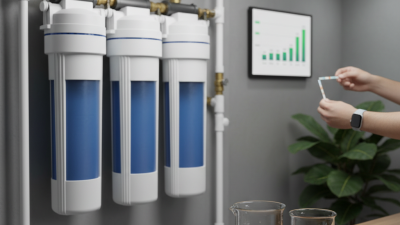
Reliable decisions begin with testing at an accredited laboratory and reviewing the well’s construction history. Test results should guide media selection, micron ratings, disinfection plans, and flow requirements. A sediment cartridge may protect fixtures, yet it cannot remove dissolved iron or reliably address bacteria. Likewise, carbon can improve taste and odor, but it is not a universal safeguard. Look for transparent performance data, suitable certifications, replacement availability, and pressure-loss information. Measure peak flow, too. A filter that works slowly may disappoint during two showers and a washing machine.
The best choice also fits real habits. Someone who forgets maintenance needs a simpler system with visible gauges and easy cartridge access. A larger home may need staged treatment, automatic backwashing, or professional installation. Costs can surprise. Include water waste, electricity, testing, and replacement media, not only the purchase price. Even experienced installers can misjudge seasonal changes in well chemistry. Re-test after installation and watch for unusual taste, staining, odor, or pressure decline. This outline examines those details carefully, while acknowledging that no single well filter system suits every property. Good water treatment is measured, documented, and revisited.
What Is a Well Filter System and Why Does It Matter?
What Is a Well Filter System and Why Does It Matter?
A well filter system is a treatment setup for water drawn from underground. It may include sediment filters, carbon media, iron removal, or ultraviolet disinfection. Each component targets a different problem. A sediment filter can catch sand and rust. It cannot reliably remove dissolved arsenic or nitrate. The U.S. Environmental Protection Agency estimates that about 23 million American households depend on private wells. These wells are usually not regulated like public water systems. Testing and treatment decisions therefore remain the homeowner’s responsibility.
The Centers for Disease Control and Prevention states that private wells provide drinking water for more than 15% of the U.S. population. Its guidance recommends testing at least once each year for total coliform bacteria and nitrates. Test after flooding, repairs, or changes in taste and odor. That is not optional. Clear water can still contain invisible contaminants. The U.S. Geological Survey has also documented naturally occurring chemicals, including arsenic and uranium, in groundwater across several regions. Local geology matters more than attractive product claims.
Choosing a filter should begin with a certified laboratory report. Match the system to the measured contaminant, flow rate, and household demand. NSF/ANSI 42 generally addresses aesthetic effects, while NSF/ANSI 53 covers specific health-related claims. Reverse-osmosis equipment follows NSF/ANSI 58 requirements. A filter rated for chlorine may do little against bacteria. Maintenance matters too. Expired cartridges can reduce performance and create pressure problems. I still question any recommendation made without a recent water test. The equipment may look impressive. The water data should decide.
How to Assess Your Well Water and Filtration Needs
Choosing a well filter system starts with measuring the water, not guessing from taste or cloudiness. In field assessments, I collect a certified laboratory sample before recommending equipment. The report should cover bacteria, nitrate, arsenic, lead, iron, manganese, hardness, pH, turbidity, and sometimes pesticides. Test after heavy rain if runoff may enter the well. A clear glass can still hide serious contamination. That is easy to forget.
Read the report alongside your household needs. A family of four may use far more water during showers, laundry, and irrigation than a faucet filter can handle. Record peak flow, pressure, well recovery, and daily use. Ask whether the problem is constant or seasonal. Sulfur odor, orange staining, and sediment require different treatment methods. Do not choose a cartridge by its label alone. Match pore size, contact time, capacity, and replacement cost to the actual contaminant. Local health departments or licensed water professionals can clarify uncertain results.
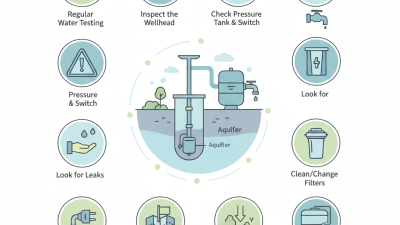
The well’s condition matters as much as the filter. Inspect the cap, casing, drainage, and nearby septic area. Poor sealing can reintroduce contamination after installation. Retest after repairs and during wet seasons, because one clean sample can create false confidence. Filter performance also depends on maintenance. Keep a written schedule for pressure checks, sanitizing, and cartridge changes. Household usage estimates are often imperfect; people forget outdoor taps and guests. Leave room for that error, and verify performance through follow-up testing.
Which Well Filter Types Match Different Contaminants?
2026 How to Choose the Best Well Filter System?
Which Well Filter Types Match Different Contaminants?
Choosing a well filter starts with a laboratory water test, not water color.
Sediment, sand, and rust particles usually need a sediment filter. A larger spin-down unit can protect later equipment. It also makes cleaning easier.
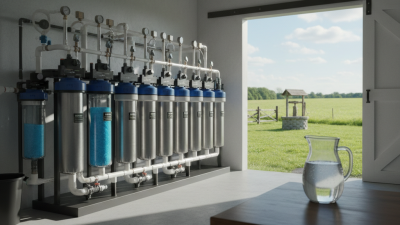
Iron and manganese may require oxidation, catalytic media, or specialized filtration. Water softeners target hardness, not bacteria or nitrate. That distinction matters. Ultraviolet treatment can control bacteria and viruses, but it does not remove chemicals or sediment. Keep the prefilter clean, or its performance may suffer.
Activated carbon can reduce chlorine-like odors, some pesticides, and selected organic compounds. Reverse osmosis is more suitable for drinking water affected by nitrate, arsenic, or certain dissolved salts. It belongs near the kitchen tap in many homes. However, it creates wastewater and needs regular membrane replacement. Whole-house treatment may be unnecessary for one drinking outlet.
A clear glass can still contain invisible contaminants.
Test after flooding, equipment changes, or unusual taste and odor. Certified treatment standards can guide product selection, but local water conditions remain different. I still recheck filter pressure and laboratory results, because maintenance assumptions are often wrong.
How to Select, Install, and Maintain the Right System
2026 How to Choose the Best Well Filter System?
Choosing a well filter starts with testing, not shopping.
The U.S. Environmental Protection Agency reports that about 15% of Americans rely on private wells. The Centers for Disease Control and Prevention recommends testing well water at least annually. Test after flooding, repairs, or unusual taste and odor. Use an accredited laboratory to identify bacteria, nitrates, iron, hardness, and other local risks. Match the treatment to the result. A sediment filter cannot remove dissolved contaminants. Activated carbon improves taste and odor. Reverse osmosis may reduce several dissolved substances, but it needs pressure and wastewater management.
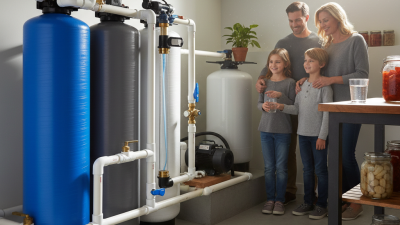
Installation should follow the water flow: pressure tank, sediment control, treatment unit, then household plumbing. Check flow rate, pipe size, drain access, and electrical requirements before cutting pipes. NSF/ANSI standards can help verify contaminant reduction claims. Still, certification does not replace laboratory testing. A filter can look suitable and perform poorly when undersized.
That is an uncomfortable lesson.
Tips:
Install a bypass valve and pressure gauge. Label inlet and outlet lines. Keep a service log. Replace cartridges by pressure drop, tested capacity, or manufacturer guidance. Sanitize the system after maintenance when appropriate. CDC guidance also supports retesting after repairs or flooding. Annual checks may feel excessive, but neglected housings can collect sediment and bacteria. I would not rely on taste alone. Water can look clear and remain unsafe.