10 Essential Tips for Effective Well Water Testing
Regular well water testing is crucial for ensuring safety and quality. Many homeowners overlook this vital step. Contaminated water can lead to health issues. Bacteria, heavy metals, and chemicals can lurk unnoticed. This makes testing essential for peace of mind.
When conducting well water testing, you may feel overwhelmed. The process can seem complex and time-consuming. It is easy to make mistakes or skip steps. However, it is critical to follow best practices. Each step, from gathering samples to choosing a lab, matters greatly.
By prioritizing well water testing, you protect your family. You create a safe environment for drinking, cooking, and bathing. Understanding your water quality is not just a chore. It is a responsibility that affects your health. Taking the time to test may prevent future headaches. Whether you’re a new homeowner or have had your well for years, regular testing remains a necessity.
Understanding the Importance of Well Water Testing
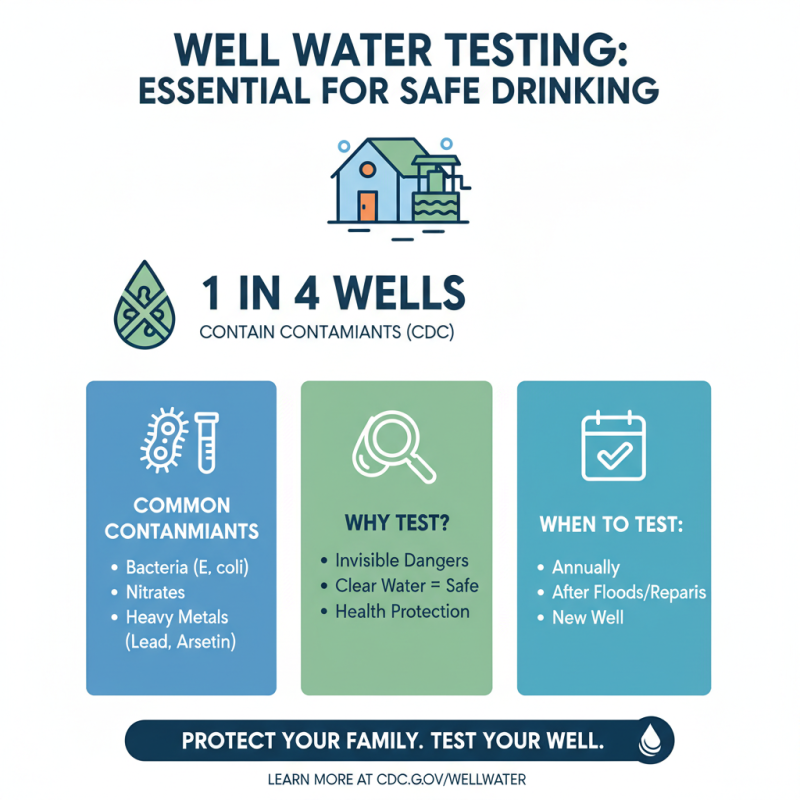
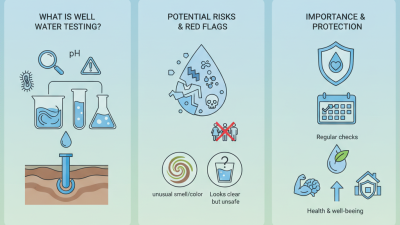
Well water testing is crucial for ensuring safe drinking water. Many private well owners overlook this essential task. A study by the Centers for Disease Control and Prevention (CDC) states that about 23% of wells contain contaminants. These can include bacteria, nitrates, and heavy metals. Even seemingly clear water may harbor dangers that can affect health.
Regular testing can reveal unseen issues. The CDC suggests testing at least once a year. However, more frequent testing is advisable if there are concerns. Symptoms like gastrointestinal distress can point to underlying problems. Addressing these issues promptly can prevent serious health risks. Not knowing the water quality can lead to delayed action and greater exposure.
Many homeowners are unaware of state regulations. Each state has different guidelines for well testing. In some areas, the responsibility falls solely on the homeowner. This lack of awareness can result in an increase in waterborne illnesses. Relying solely on visual inspection can be misleading. Water may appear clean yet still be harmful. Proper education on this matter is vital for ensuring safety and health.
Identifying Key Contaminants to Test For
When testing well water, identifying key contaminants is crucial. Microorganisms like bacteria, viruses, and parasites can pose serious health risks. Regular tests help ensure the safety of your water supply. A common contaminant is E. coli, which indicates fecal contamination. If found, immediate action is necessary to protect your family.
Chemicals like nitrates and heavy metals are also important to check. Nitrates often come from agricultural runoff. This can affect drinking water quality. Heavy metals, on the other hand, may enter the water supply through corrosion of pipes. These substances have serious health implications, especially for children.
Testing should be comprehensive but can feel overwhelming. You might forget to check some essential contaminants. It’s normal to feel uncertain about the testing process. Do your research and consider local regulations. Ignoring this could lead to unexpected health issues. Continuous testing can provide peace of mind and ensure safe drinking water.
10 Essential Tips for Effective Well Water Testing - Key Contaminants
Choosing the Right Testing Methods and Kits
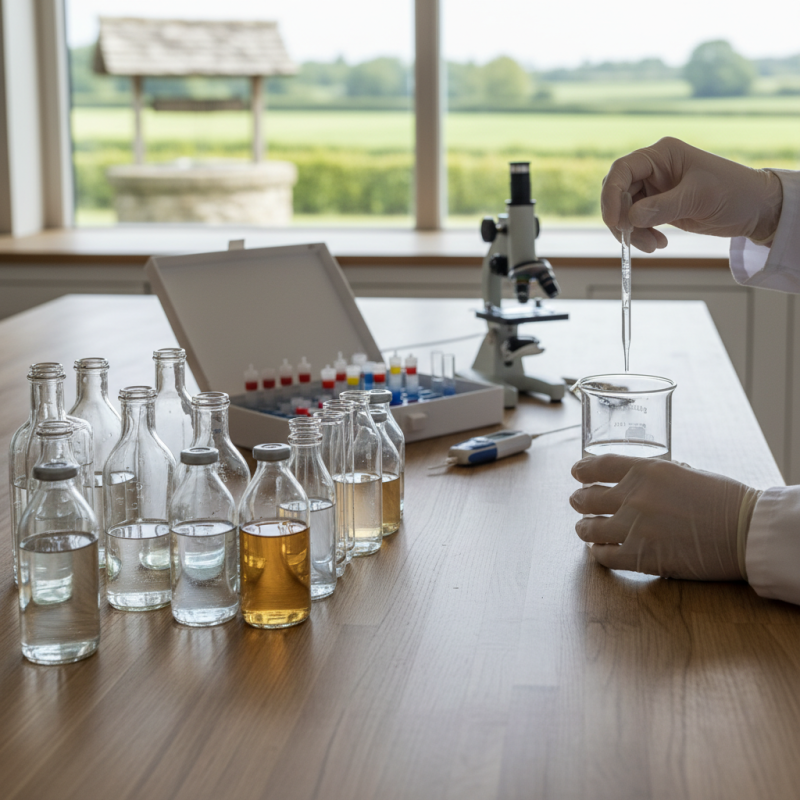
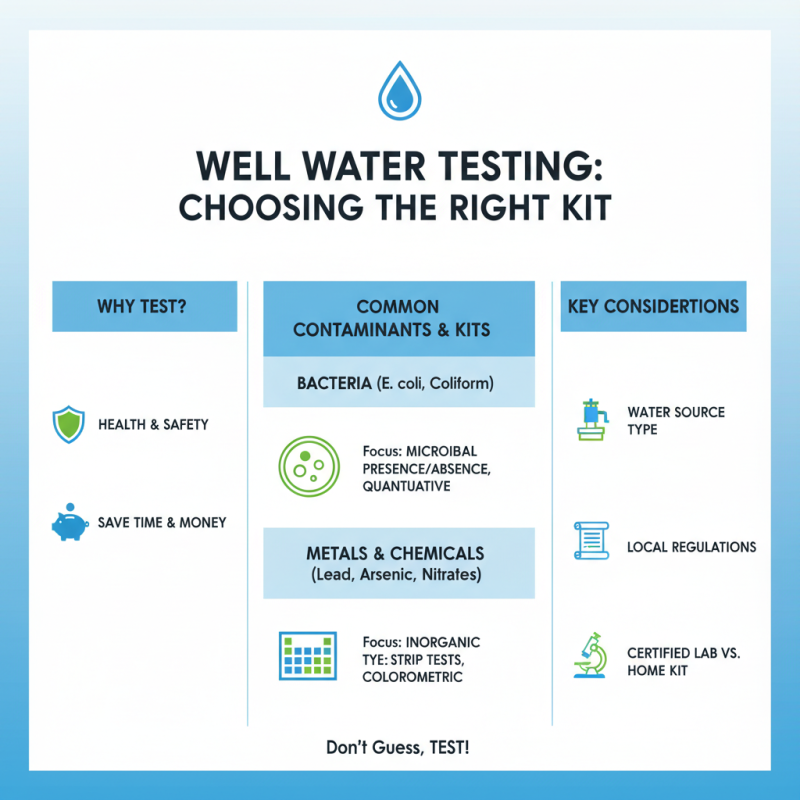
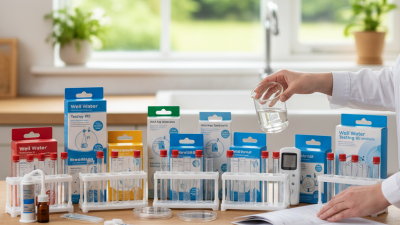
When it comes to well water testing, choosing the right methods and kits is crucial. Many people overlook this step, thinking all kits are the same. However, different testing kits are designed for specific contaminants. Some kits focus on bacteria, while others test for heavy metals. Knowing what to look for can save you time and money.
Before purchasing a kit, assess your needs. Are you concerned about nitrates? Or is pH level your primary focus? This clarity helps narrow down your options. Remember, the instructions can vary greatly between kits. Some require specific water volumes or temperatures for accurate results. A simple error could lead to misleading conclusions.
Additionally, consider the frequency of testing needed. Some contaminants fluctuate over time. Regularly testing your water adds an extra layer of safety. In this case, a reliable home testing kit might be ideal. However, for more complex concerns, professional testing could be worth the investment. It's essential to balance convenience and accuracy in your testing approach.
Interpreting Water Test Results Accurately
Interpreting water test results accurately is crucial for well water safety. Many homeowners rely on test kits that may lack sensitivity. For example, a study by the Environmental Protection Agency (EPA) reveals that over 20% of tested private wells have high levels of contaminants. These include bacteria, nitrates, and heavy metals.
Understanding test results requires more than just numbers. Knowledge of local water conditions helps. For instance, high nitrates may indicate agricultural runoff. This can affect water quality significantly. In some regions, lead levels exceed the EPA's action level of 15 ppb. Yet, many homeowners might not recognize the health risks involved.
Testing frequency is another key aspect. The Centers for Disease Control and Prevention (CDC) recommends testing annually. However, many families overlook this. They wait until they notice changes in taste, smell, or appearance. The reality is that contaminants can be present without obvious signs. This delay can lead to serious health issues, particularly for children and pregnant women. Ensuring regular testing is vital for preventing long-term health risks.
Developing an Action Plan Based on Test Findings
Testing your well water is just the beginning. Once you have results, it’s crucial to develop an effective action plan. These steps can help transform data into actionable insights.
First, identify the contaminants present in your water. High levels of nitrates can indicate agricultural runoff. Bacteria presence might suggest septic system issues. Create a prioritized list based on these findings. Not all problems require immediate action, so focus on the most critical issues first.
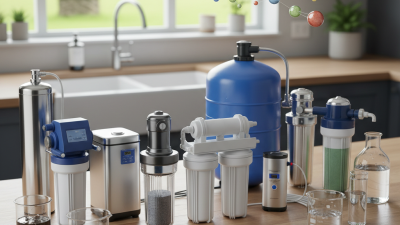
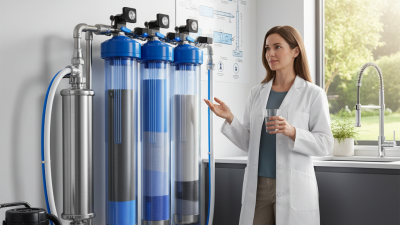
Next, determine the necessary solutions. This may involve upgrading your filtration system or implementing additional purification methods. Don’t ignore the importance of regular monitoring. Your well’s health can change over time, so ongoing testing is vital. Finally, educate your household about the water quality issues. Awareness can lead to safer practices, such as proper waste disposal and the importance of well maintenance. This proactive approach can significantly improve your water quality over time.
10 Essential Tips for Effective Well Water Testing - Developing an Action Plan Based on Test Findings
| Tip Number |
Tip Description |
Recommended Action |
Frequency |
| 1 |
Test for Bacteria |
Collect samples from multiple taps |
Annually |
| 2 |
Check pH Levels |
Use a home test kit |
Every 2 years |
| 3 |
Test for Nitrates |
Send sample to a lab |
Annually |
| 4 |
Check for Hardness |
Use a hardness test kit |
Every 5 years |
| 5 |
Test for Heavy Metals |
Send sample to a certified lab |
Every 3 years |
| 6 |
Monitor Seasonal Changes |
Conduct tests in different seasons |
Biannually |
| 7 |
Use a Proper Sampling Technique |
Follow guidelines for collection |
Every test |
| 8 |
Document Results |
Keep a detailed logbook |
Ongoing |
| 9 |
Consult with Professionals |
Get expert advice on results |
As needed |
| 10 |
Create an Action Plan |
Develop steps based on test results |
After each test |