10 Essential Tips for Effective Well Water Maintenance You Need to Know
Maintaining a reliable and safe source of well water is crucial for households relying on private water supplies. Well water maintenance is not just about occasional checks; it involves a comprehensive understanding of factors that can affect water quality and system efficiency. The importance of proactive measures cannot be overstated, as contamination and mechanical issues can lead to significant health risks and costly repairs.
In this guide, we will explore ten essential tips that effectively address the core elements of well water maintenance. By adopting these practices, homeowners can protect their water source, ensuring that it remains clean and safe for everyday use. From regular testing to understanding the local geology, these tips will empower you to take responsibility for your well water system with confidence. Whether you're new to well ownership or looking to enhance your current maintenance routine, these insights will serve as a valuable resource for safeguarding your well water supply.
Well Water Quality Testing: Frequency and Essential Parameters to Monitor
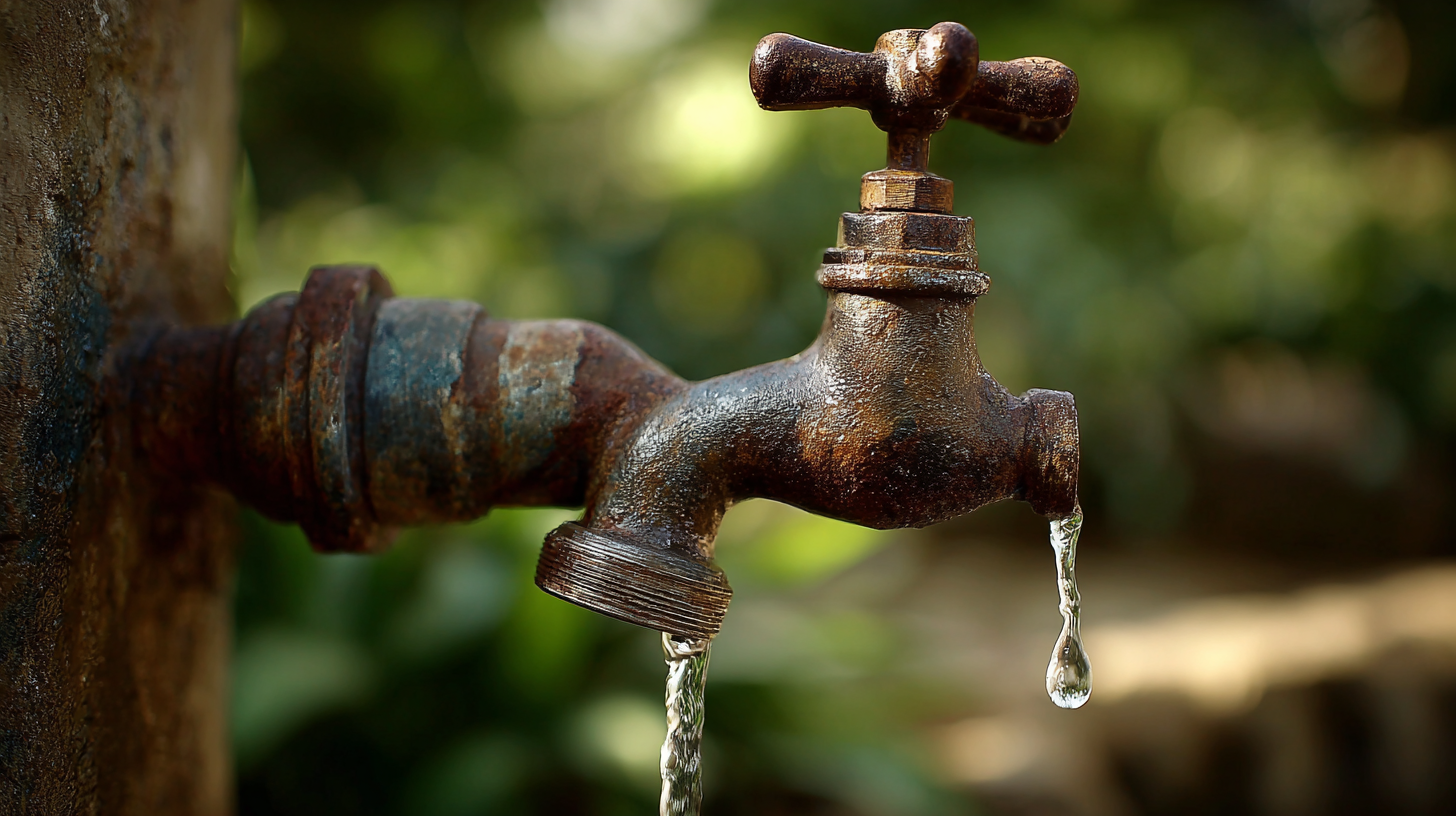
Well water quality testing is crucial for ensuring the safety and health of your household. It is essential to conduct regular testing to monitor any potential contaminants that may affect your water supply. The frequency of testing can vary based on factors such as local water quality, depth of the well, and surrounding land use. Generally, homeowners should test their well water at least once a year. However, if there are changes in taste, odor, or color, or after significant rainfall or flooding, more frequent testing is recommended.
When testing well water, several essential parameters must be monitored. Begin with testing for bacteria, such as E. coli, which can indicate contamination. It's also vital to check for nitrates, as high levels can be harmful, especially for pregnant women and infants. Additionally, monitoring pH levels helps determine the acidity or alkalinity of the water, which can affect mineral solubility and overall water quality. Other important parameters include heavy metals like lead and arsenic, as well as chemical contaminants from agricultural runoff or industrial activities. Regular monitoring of these factors not only ensures safe drinking water but also helps in maintaining the well's overall functionality and longevity.
10 Essential Tips for Effective Well Water Maintenance
| Tip Number |
Maintenance Task |
Frequency |
Parameters to Monitor |
| 1 |
Inspect Well Head |
Monthly |
Structural integrity, signs of contamination |
| 2 |
Test Water Quality |
Annually |
pH, bacteria, hardness, nitrates |
| 3 |
Disinfect the Well |
Every 3-5 years |
Coliform bacteria presence |
| 4 |
Check Pump Functionality |
Bi-Annually |
Pump pressure, flow rate |
| 5 |
Monitor Water Level |
Seasonally |
Water level fluctuations |
| 6 |
Inspect the Casing |
Every 2 years |
Corrosion, damages |
| 7 |
Test for Heavy Metals |
Every 3 years |
Lead, arsenic |
| 8 |
Check for Nearby Contaminants |
Annually |
Septic systems, fertilizers |
| 9 |
Inspect the Pressure Tank |
Annually |
Pressure settings, leaks |
| 10 |
Keep Records of Maintenance |
Continuous |
Date, task performed, results |
Common Contaminants in Well Water: Identifying and Addressing Risks
 Well water offers a vital resource for millions, yet it can be susceptible to various contaminants that pose health risks. One of the most concerning groups of pollutants is per- and polyfluoroalkyl substances (PFAS), which have been linked to numerous health issues. Recent reports indicate that approximately 71 to 95 million people in the U.S. may rely on groundwater tainted with PFAS. These substances are resistant to degradation, leading to their widespread contamination in public water systems. Understanding these risks is crucial for effective well water maintenance.
To maintain well water quality, it's essential to regularly test for common contaminants. Here are a few tips to ensure your well water remains safe:
-
Test your well water regularly for contaminants such as PFAS, nitrates, and heavy metals. The EPA has established Maximum Contaminant Levels for specific PFAS to help guide testing and treatment.
-
Be vigilant about potential sources of contamination. Activities near your well, like industrial operations or agricultural runoff, can introduce harmful substances to your water supply.
-
Consider installing filtration systems designed to remove specific pollutants, including PFAS. Proper filtration can significantly reduce health risks while improving the overall quality of your drinking water.
Being proactive about well water maintenance can greatly mitigate the risks associated with harmful contaminants.
The Importance of Regular Well Pump Maintenance to Ensure Longevity
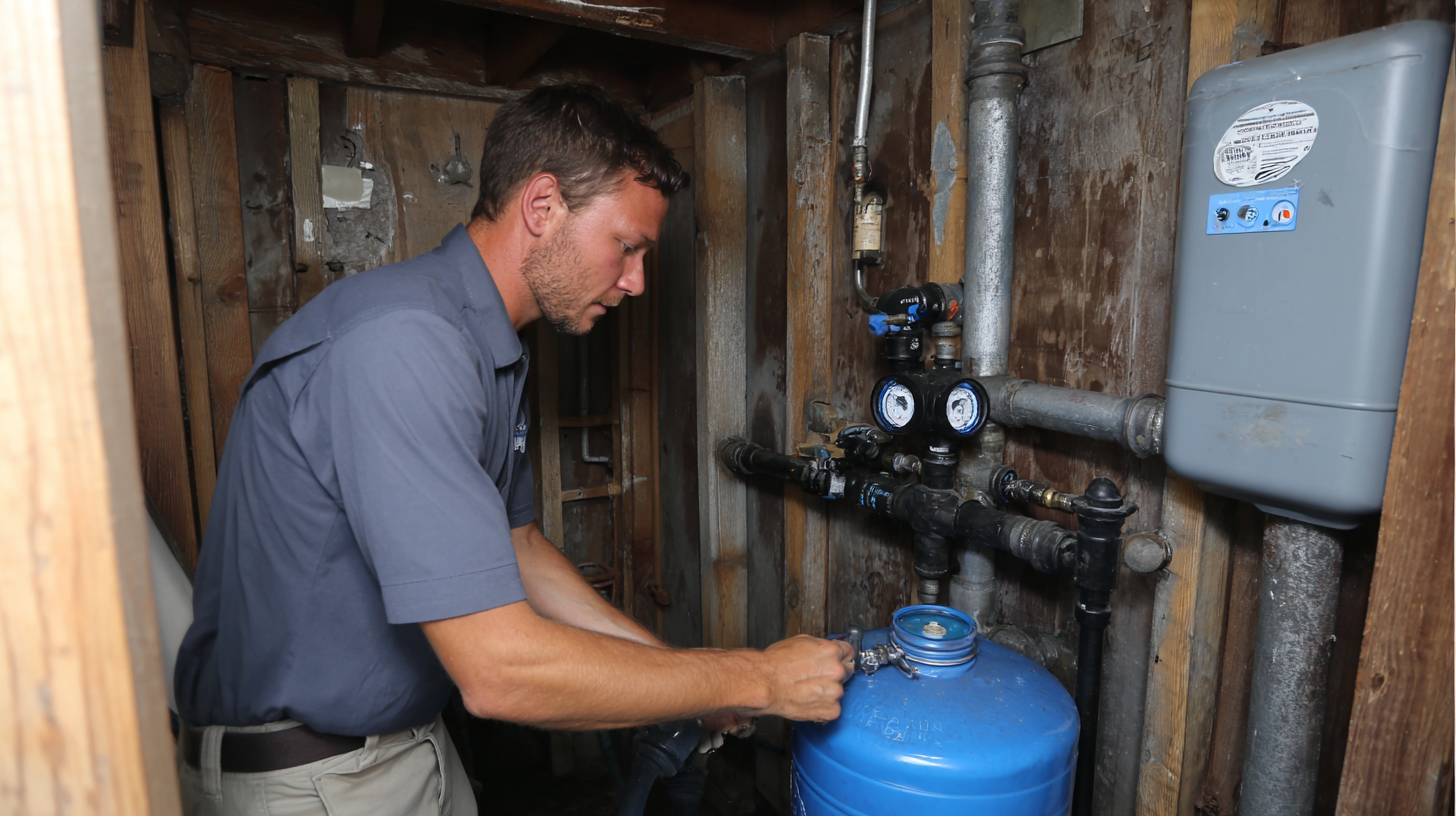
Regular maintenance of well pumps is crucial for ensuring their longevity and efficient operation. According to the National Ground Water Association (NGWA), the average lifespan of a well pump is typically between 10 to 15 years, but with proper care, it can last even longer. Neglecting maintenance can lead to a decrease in water quality and an increase in repair costs, making it imperative to develop a routine maintenance schedule.
One key aspect of well pump maintenance is regular inspections. The Centers for Disease Control and Prevention (CDC) recommends checking your well system annually to identify any potential issues, such as unusual noises or decreased water pressure. Additionally, ensuring that the well water is tested for contaminants at least once a year can prevent health risks associated with poor water quality.
Routine maintenance not only extends the lifespan of the pump but also safeguards your home’s water supply. Following these essential maintenance tips will ultimately contribute to a more reliable and efficient well system, providing peace of mind for homeowners.
Best Practices for Wellhead Protection to Prevent Contamination
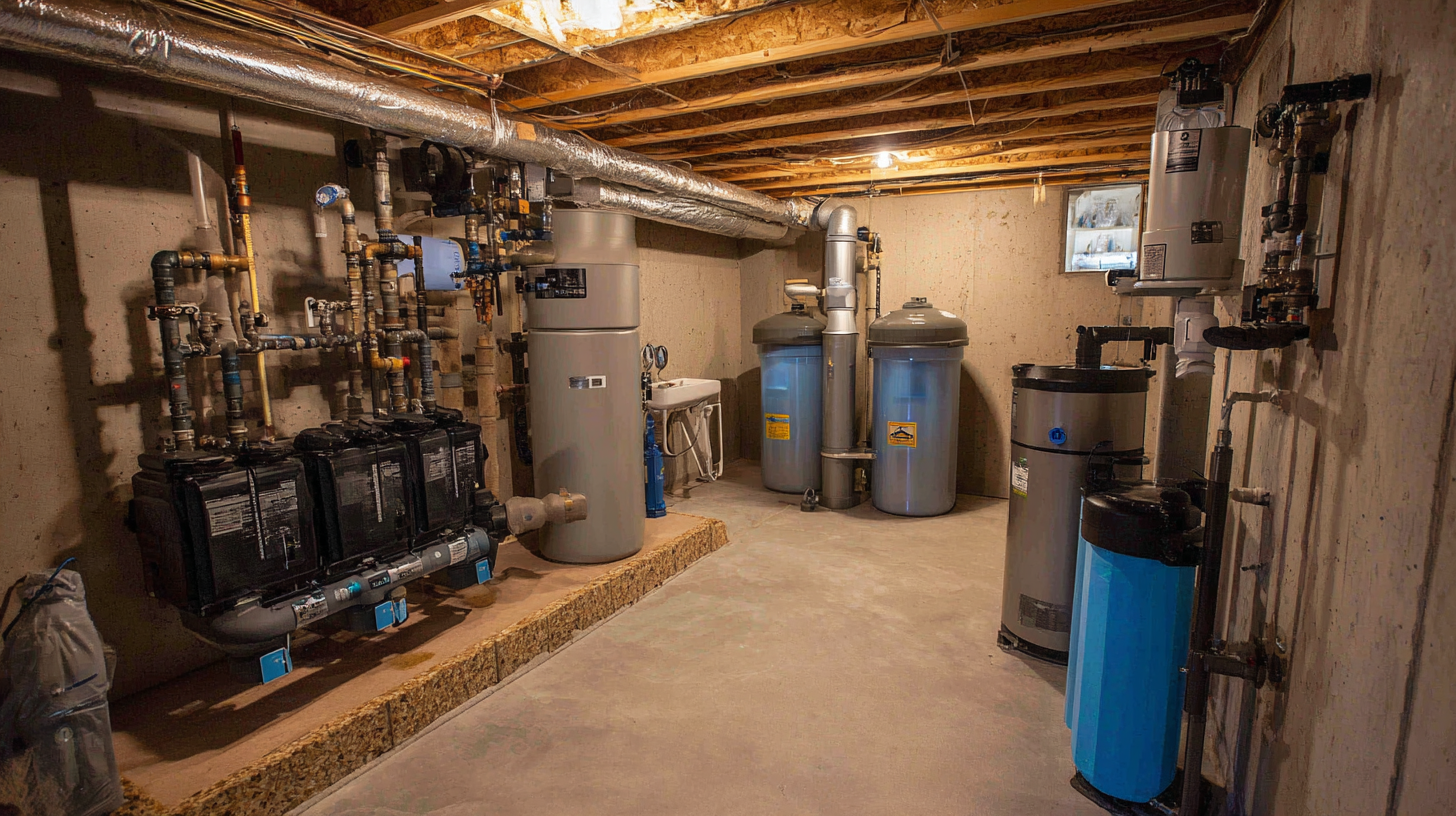 Maintaining the integrity of your well water is crucial for preventing contamination and ensuring safe drinking water. One essential practice involves implementing effective wellhead protection strategies. Start by regularly inspecting the wellhead for any signs of damage or deterioration. A well-maintained well casing and cap can significantly reduce the risk of contaminants entering your water supply.
Additionally, it's vital to establish a protective zone around your well. This area should be free from activities that could introduce pollutants, such as the storage of chemicals or livestock grazing. Keeping this buffer zone clear will help safeguard your well from potential contamination sources.
Finally, consider testing your water quality at least once a year for common contaminants, including bacteria, nitrates, and other harmful substances. Regular testing not only provides peace of mind but also helps detect any issues early, allowing you to take timely action. By adopting these best practices for wellhead protection, you can enjoy clean and safe well water for years to come.
Understanding the Impact of Seasonal Changes on Well Water Levels and Quality
Seasonal changes can significantly impact well water levels and quality, making it crucial for well owners to prepare and monitor their systems closely. According to the U.S. Geological Survey (USGS), groundwater levels fluctuate throughout the year, often dropping during dry months and rising again after heavy rainfall. These shifts can affect the availability of water for household use and agriculture. For instance, during prolonged droughts, well water levels may decline by several feet, leading to diminished water supply and potentially increased pumping costs, which can average between $200 to $400 annually for residential users.
Moreover, seasonal changes can influence water quality due to variations in runoff and land use. A report by the Environmental Protection Agency (EPA) indicates that contaminants, such as nitrates and pathogens, can increase during the spring melt or after heavy rainfall when fertilizers and other pollutants are washed into groundwater sources. It is essential for well owners to test their water regularly, especially after significant weather events. The Centers for Disease Control and Prevention (CDC) recommends conducting water quality testing at least annually, with increased frequency after storms, to ensure that the water remains safe and free from harmful substances.
Impact of Seasonal Changes on Well Water Levels
This bar chart illustrates the changes in well water levels throughout the four seasons. It is essential to monitor these levels as they can fluctuate due to seasonal weather patterns, affecting water availability and quality.