Essential Tips for Choosing Water Systems for Well Water?
Choosing the right water systems for well water is crucial for many households and businesses. According to the Water Quality Association, about 13 million homes in the United States rely on well water. This water source can often present challenges, including contamination and mineral imbalances. Therefore, an informed choice in water systems is essential.
It's important to understand the specific needs of your well water. Variabilities like pH levels, hardness, and presence of contaminants must be assessed. These factors can impact health and appliance efficiency. Research indicates that 60% of well owners are unaware of their water's quality. This lack of knowledge can lead to unfortunate consequences.
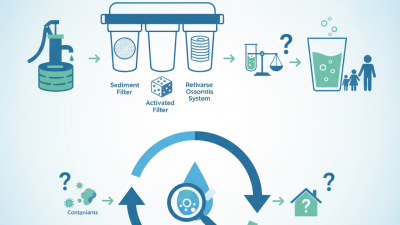
Investing in the right filtration and treatment solutions can enhance water quality significantly. Depending on the water's characteristics, systems like reverse osmosis or ultraviolet purification may be needed. However, many water systems for well water are not one-size-fits-all. Continuous evaluation of performance is vital, as is consulting with experts to make the best choice. Ultimately, the process of selecting a water system requires careful thought and reliable information.
Understanding Different Types of Water Systems for Well Water
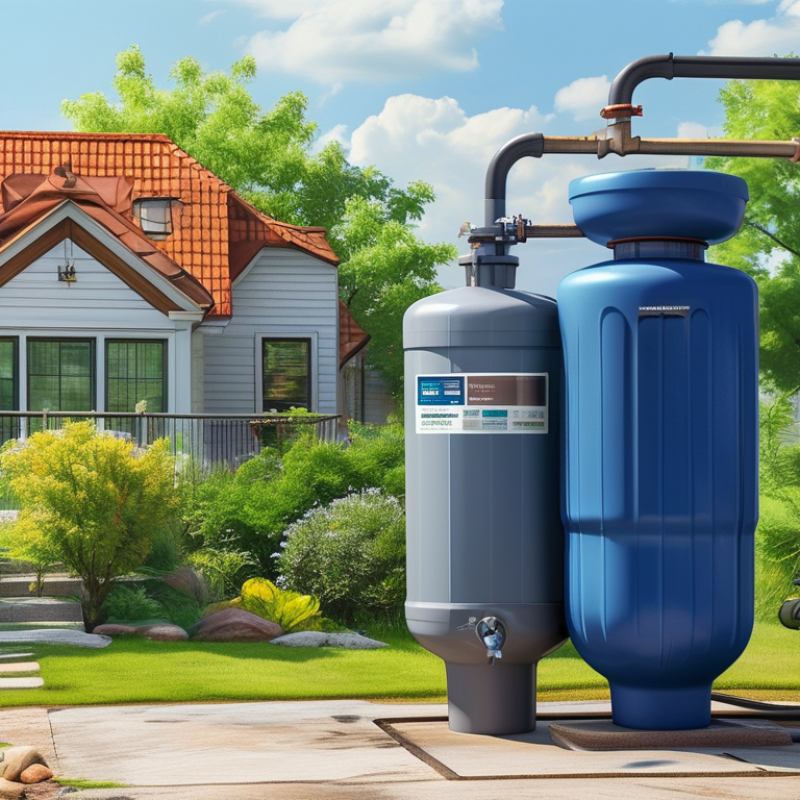
When considering water systems for well water, it’s essential to understand the different types available. Each system serves a unique purpose and has its own advantages. For instance, submersible pumps are popular for deep wells. They efficiently push water to the surface. However, they may require more maintenance than surface pumps.
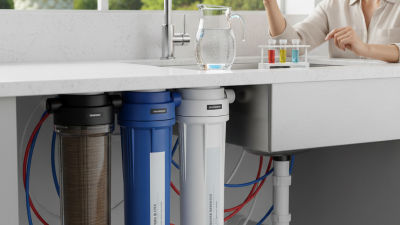
Filtration systems play a crucial role. They remove impurities and sediment from the water. Common options include carbon filters and sediment filters. These systems improve water quality significantly. Yet, users often overlook the impact of hard water. A water softener can address this issue, but selecting the right unit requires careful consideration.
Storage tanks are another vital component. They help maintain a steady supply of water. However, sizing the tank correctly is often underestimated. An oversized tank can lead to wasted space and higher costs. On the other hand, a tank that’s too small may not meet household needs. It's crucial to evaluate water usage accurately.
Evaluating Water Quality: Testing and Analysis for Well Water
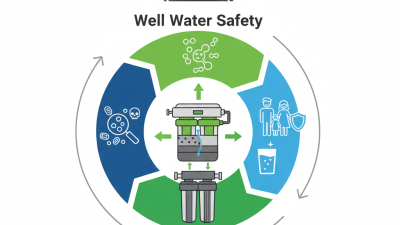
Evaluating water quality is crucial for any well water system. Testing and analysis help identify any contaminants. Regular testing ensures the water remains safe for consumption. It's recommended to test at least once a year for common issues like bacteria, nitrates, and pH levels.
When analyzing results, understanding what they mean is essential. Water that appears clear may still contain harmful substances. Sometimes, the test results can be confusing. Consulting with professionals can clarify these findings. They can provide insights into the necessary treatment methods based on your specific water quality issues.
It's important to reflect on your testing practices. Relying solely on visual inspections is insufficient. Keeping detailed records of your test results can reveal patterns over time. This approach helps in making informed decisions about any required upgrades to the water system.
Water Quality Parameters for Well Water
Determining Flow Rate Needs for Effective Water System Selection
When selecting a water system for well water, determining flow rate needs is crucial. Flow rate directly affects how efficiently your household receives water. Industry studies indicate that average residential flow rates range from 5 to 12 gallons per minute (GPM). Knowing your flow rate helps ensure that your water system meets daily demands.
Evaluate your needs based on the number of occupants and appliances. For instance, a household of four may require a minimum of 8 GPM to accommodate simultaneous activities, like showering and dishwasher use. The National Ground Water Association suggests measuring your well's flow rate. You can do this by filling a container of known volume within a set timeframe. This hands-on approach offers a reality check on actual water availability.
Consider these tips: Monitor peak usage times. If water pressure drops during busy periods, your flow rate could be insufficient. Reassess if you expand your household. Remember, oversizing your system leads to inefficiencies, while undersizing can cause frustration. Effective system selection relies on both quantitative data and qualitative observations. Balancing these factors will guide you toward a suitable water system for your well.
Budget Considerations: Initial Costs and Long-Term Maintenance
When selecting water systems for well water, it's crucial to understand the budget implications.
Initial costs can vary significantly. Investing in a high-quality system may seem expensive,
but cheaper options can lead to higher long-term expenses. Quality often pays off in durability
and efficiency.
Consider long-term maintenance as a vital factor. Regular servicing is essential for optimal
performance. Neglecting maintenance can result in costly repairs or replacements. Make sure
to factor in the cost of filters and other necessary components over time.
Tip: Research installation costs thoroughly. Hidden fees can sneak up on you. Clearly outline
maintenance schedules to avoid unexpected expenses. Monitor water quality regularly to catch
issues early. A proactive approach not only saves money but also ensures your water system
remains effective.
Installation and Maintenance Tips for Well Water Systems
When installing a well water system, careful planning is crucial. Choosing the right pump is vital for your system's efficiency. Consider the depth of your well and the water's flow rate. A submersible pump is common for deeper wells, while a jet pump works for shallower ones. Ensure the pump's capacity matches your household needs. Oversizing or undersizing can lead to inefficiencies.
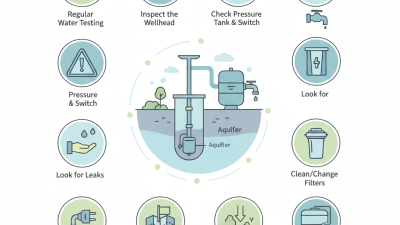
Regular maintenance is essential for longevity. Inspect the system every few months. Look for leaks or rust. Clean filters and check the pressure tank. Maintaining water quality is also key; use a water test kit to check for contaminants. If the water tastes or smells odd, it may indicate a problem. Address any issues promptly to prevent costly repairs or health risks.
Consider the environmental impact of your well water system. Over-extraction can lead to depletion. Use water wisely and invest in conservation practices. Reflect on your water usage habits to ensure sustainability. A well water system requires ongoing commitment and awareness. Proper care not only benefits your home but the environment as well.
Essential Tips for Choosing Water Systems for Well Water
| Aspect |
Recommendation |
Maintenance Tips |
| Water Filtration |
Choose a multi-stage filtration system. |
Regularly replace filters every 6-12 months. |
| Pump Selection |
Consider submersible pumps for deep wells. |
Inspect pump and wiring annually for wear. |
| Storage Tank |
Opt for enclosed, insulated tanks. |
Clean and disinfect tanks every year. |
| Water Quality Testing |
Test water quality at least once a year. |
Follow up with treatment if contaminants are found. |
| Pressure Regulation |
Install a pressure tank to maintain flow. |
Check pressure settings quarterly. |