How to Choose the Best Well Filtration System for Your Needs?
Selecting the right well filtration system is crucial for ensuring clean and safe water. With about 13 million households in the U.S. relying on private wells, understanding this technology becomes vital. According to the Water Quality Association, poor water quality can lead to significant health risks. Sifting through various options can be overwhelming.
Renowned water systems expert, Dr. Emily Jordan, emphasizes the importance of making informed choices. She states, "Investing in a quality well filtration system can vastly improve your drinking water safety." This statement highlights the pressing need for individuals to prioritize their filtration needs.
However, not every system is perfect for everyone. Some consumers may overlook specific contaminants or fail to assess their water quality adequately. Many people assume one size fits all, which can lead to inadequate filtration. Careful consideration of personal water tests is necessary when selecting a well filtration system. Understanding your specific needs can make all the difference in ensuring the health of your family.

Understanding the Basics of Well Filtration Systems
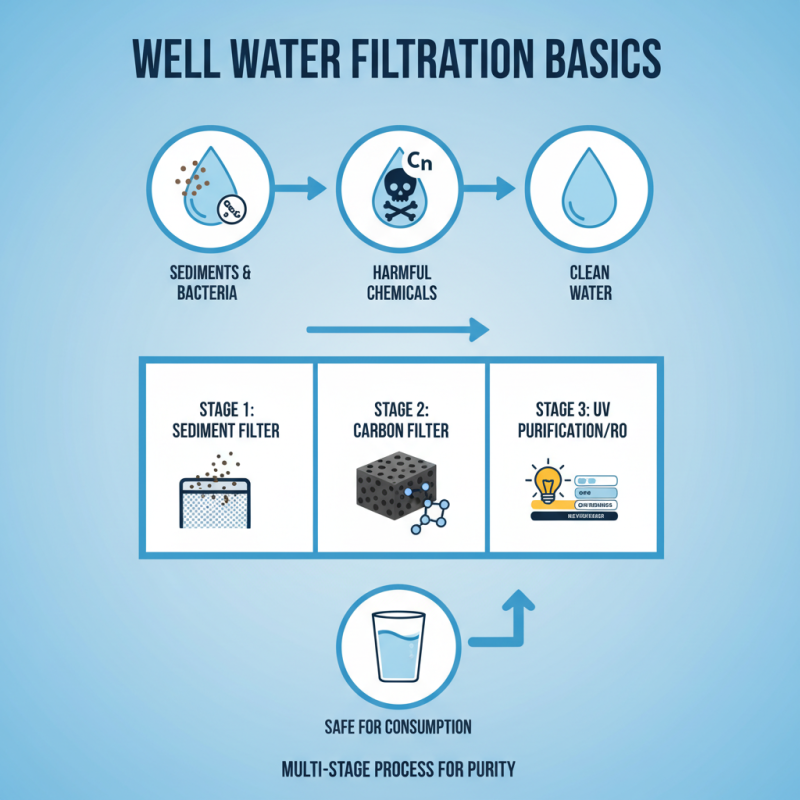
Choosing a well filtration system starts with understanding its basics. Well water can contain sediments, bacteria, and harmful chemicals. A filtration system removes these impurities, ensuring the water is safe for consumption. The process often involves multiple stages to trap different contaminants.
Common types include sediment filters, which remove sand and silt, and carbon filters, which eliminate odors and chemicals. Reverse osmosis systems are popular for their thorough purification. However, these systems can be complex and might require regular maintenance, which some users find challenging.
Understanding your water quality is crucial. Have your water tested to know what you need to filter. Note that filtration systems can sometimes remove beneficial minerals too. This creates a dilemma for health-conscious users. Striking a balance is key. Choosing a system that suits your specific needs might take time, but it’s worth the effort for safe, clean water.
Identifying Your Water Quality Needs and Issues
When assessing your water quality, begin by identifying existing issues. Test your water for contaminants. Look for bacteria, heavy metals, or chemicals. This will help pinpoint necessary filtration.
Tips: Invest in a water testing kit. They are easy to use and provide quick results. Learn about common contaminants in your area. This knowledge can guide your filtration choices.
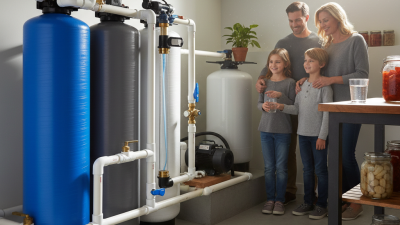
Next, consider how your water is used. Drinking, cooking, and bathing all require different filtration systems. Some may need a whole-house filter. Others might only need a point-of-use system. Reflect on your specific needs.
Tips: Calculate your household's water usage. This can influence the size and type of filtration system. Don't hesitate to ask for professional advice. They can offer insights based on your water quality results.
Water Quality Issues and Their Prevalence
Types of Well Filtration Systems: An Overview
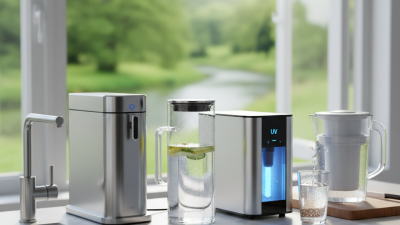
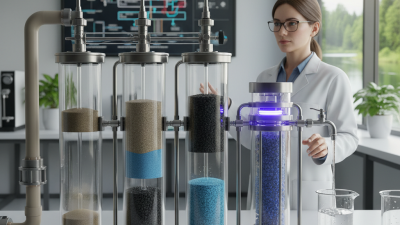
When choosing a well filtration system, understanding the different types available is crucial. There are mainly three kinds: sediment filters, carbon filters, and UV filters. Sediment filters effectively remove larger particles. They work well for muddy or turbid water sources. The maintenance can be challenging. You need to replace or clean them regularly.
Carbon filters focus on chemical impurities. They reduce chlorine, lead, and certain volatile organic compounds. However, they may need frequent changes to maintain effectiveness. Sometimes, they don’t eliminate bacterial contaminants. This consideration is essential if your water source is prone to such issues.
UV filters use ultraviolet light to disinfect water. They are efficient in killing bacteria and viruses. Yet, they do not remove physical sediment or chemicals. Using a combination of these systems might be necessary for comprehensive protection. Balancing cost, effectiveness, and maintenance can be tough. It's important to assess your specific water quality before making a decision.
How to Choose the Best Well Filtration System for Your Needs?
| Filtration System Type |
Contaminants Removed |
Maintenance Frequency |
Lifespan |
Cost Range |
| Sand Filters |
Sand, Silt |
Every 1-5 years |
5-10 years |
$200 - $600 |
| Activated Carbon Filters |
Chlorine, VOCs |
Every 6-12 months |
3-5 years |
$100 - $400 |
| Reverse Osmosis Systems |
Salts, Heavy Metals |
Every 2-3 years |
10-15 years |
$300 - $700 |
| Ultraviolet (UV) Filters |
Bacteria, Viruses |
Annually |
5-10 years |
$200 - $1,000 |
| Whole House Filtration Systems |
Sediment, Chlorine, Rust |
Every 1-3 years |
10-20 years |
$500 - $2,000 |
Key Features to Consider When Selecting a Filtration System
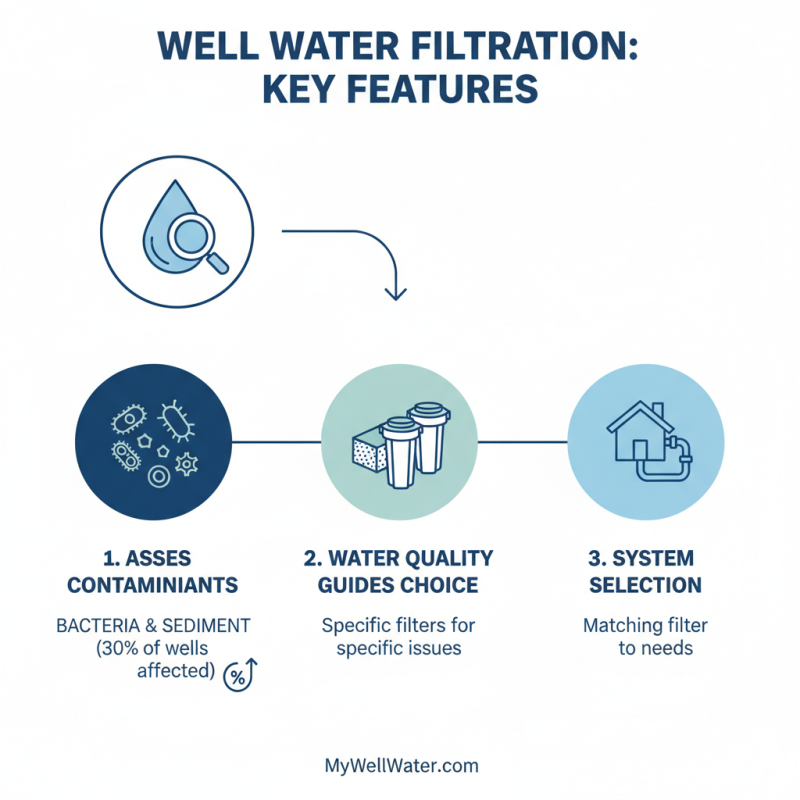
Selecting a well filtration system requires careful consideration of several key features. First, assess the contaminants present in your water supply. Reports show that approximately 30% of well water contains harmful bacteria and sediments. Understanding your specific water quality will guide your decision.
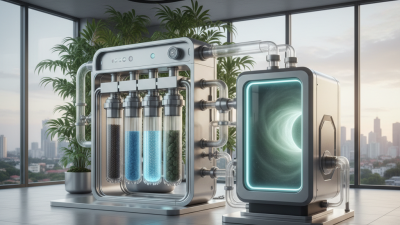
Next, think about the filtration method. Common options include activated carbon, reverse osmosis, and UV purification. Each method has distinct advantages. For instance, activated carbon is effective at removing chlorine and organic compounds. Meanwhile, reverse osmosis can eliminate up to 95% of dissolved solids. However, annual maintenance can be a burden.
Capacity and flow rate are also critical. The average household uses about 300 gallons of water daily. Choosing a system that can handle peak demand without compromising effectiveness is vital. It’s easy to underestimate how much water you need. Don’t forget about your future needs as your household may grow or change. Taking all these factors into account will help ensure you select the most suitable filtration system for your water needs.
Maintenance and Longevity: Ensuring Optimal Performance
Maintaining a well filtration system is crucial for its longevity. Regular inspections can prevent minor issues from escalating. Check the filter components often. Look for clogs or signs of wear. A clean system not only works better but lasts longer.
Water quality varies by location. Understand the specific contaminants in your area. Use this knowledge to choose the right filtration type. Sometimes, systems need replacing sooner than expected. This can be due to heavy usage or poor maintenance. Keeping a maintenance log can help.
Remember, not all filters are created equal. Some may need more frequent replacements. Follow manufacturer guidelines closely. Many people neglect this, leading to costly repairs. A proactive approach is always beneficial. Regular maintenance brings peace of mind.