How to Choose the Best Water Filtration for Well Water?
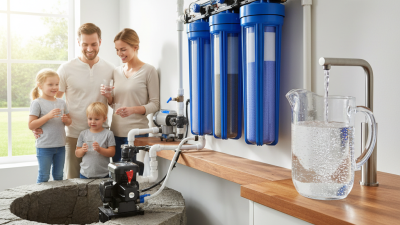
Finding the right water filtration for well water is crucial for your health. Well water often contains impurities that can pose risks. It's essential to understand what contaminants may be in your supply. You may face issues like sediment, bacteria, or heavy metals.
Many households rely on well water. However, not everyone knows how to choose an effective filtration system. Different filtration methods work best for different contaminants. For example, sand filters can remove larger particles, while activated carbon filters help with chemicals.
Consider the specific needs of your water source. Testing your well water is a good first step. It allows you to identify the right solution. You should reflect on what filtration system best suits your requirements. The choice can seem overwhelming. But with careful research, you can secure clean, safe water for your family.
Understanding Well Water Contaminants and Their Health Implications
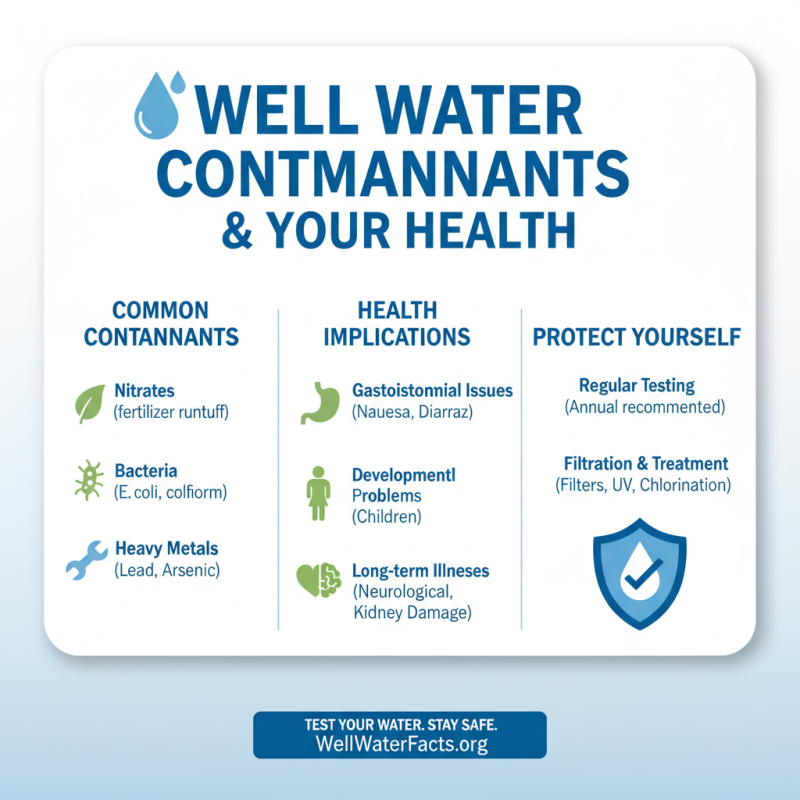
Well water is often rich in minerals but may harbor contaminants. Contaminants like nitrates, bacteria, and heavy metals can pose serious health risks. These impurities can cause gastrointestinal issues, developmental problems, and other long-term health concerns. Testing your well water regularly is crucial to ensure it is safe to consume.
Here are some tips to guide you in understanding these contaminants. Test your water frequently, ideally every year. Focus on common contaminants relevant to your area. Get a comprehensive analysis to identify potential issues. It’s also essential to consider the source of contamination. For example, pesticides from farming can leach into well water.
Additionally, installing a water filtration system can greatly improve water quality. Look for filters that specifically address the contaminants found in your testing results. Remember that no single filtration system might be perfect. It may require combining methods for optimal safety. Always keep your system maintained and updated to ensure ongoing protection.
Types of Water Filtration Systems Suitable for Well Water
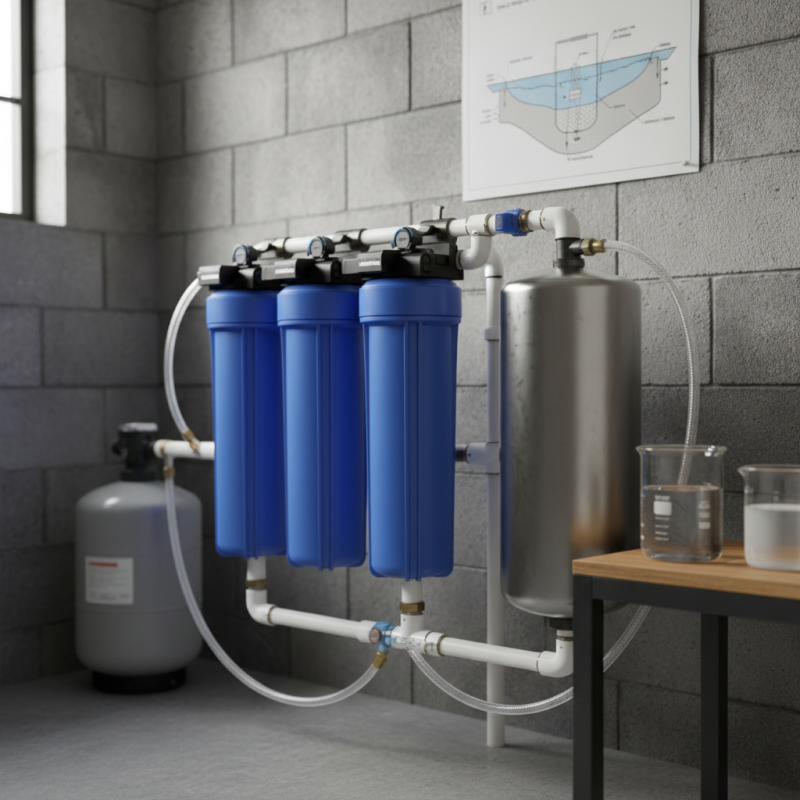
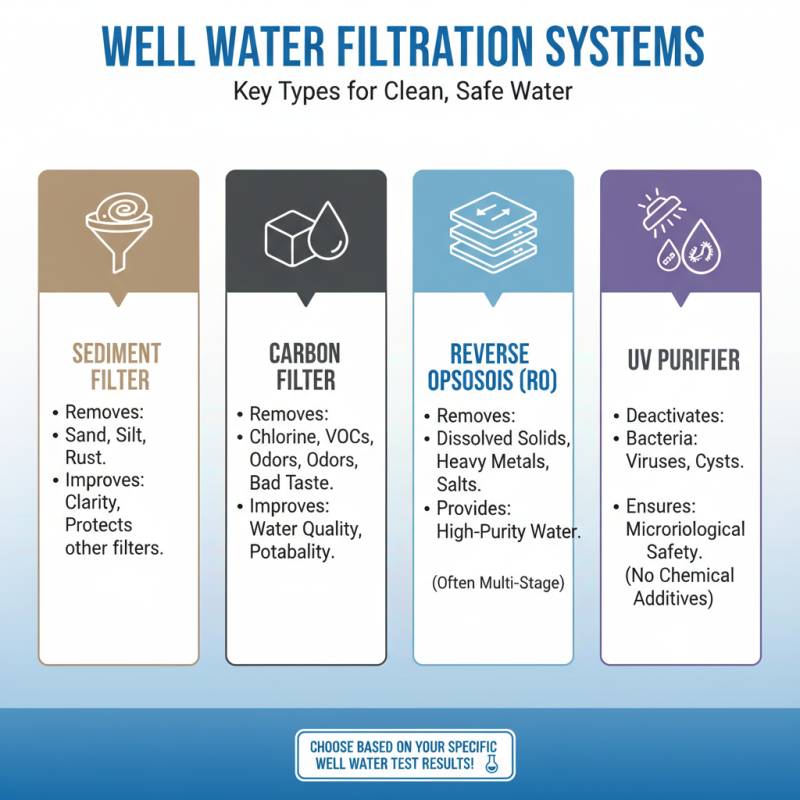
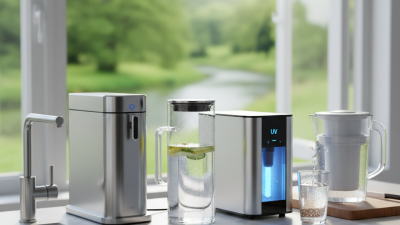
Choosing the right water filtration system for well water involves understanding your specific needs. Various systems cater to different contaminants typically found in well water. Common types include sediment filters, carbon filters, reverse osmosis, and UV purifiers. Each serves a unique purpose and targets specific impurities.
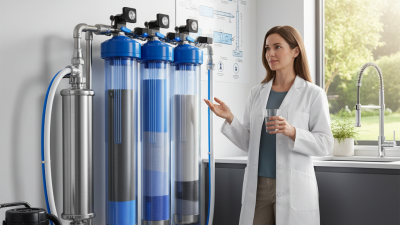
Sediment filters capture larger particles and debris. They protect your plumbing and enhance water clarity. Carbon filters reduce chlorine, taste, and odor. However, they don't remove all contaminants. Reverse osmosis systems can eliminate dissolved solids and certain chemicals. UV purifiers are effective against bacteria and viruses.
Tips: Always test your well water for contaminants. This will help you choose the right system. Consider local regulations and water quality reports. Not all systems suit every well. Installation can sometimes be tricky, so don’t hesitate to seek professional help. Evaluate your needs regularly, as water quality may change over time. Balancing cost with effectiveness is crucial.
Factors to Consider When Choosing a Water Filtration System
Choosing the right water filtration for well water is essential. Several factors must be considered. First, the quality of your well water is crucial. Testing for contaminants such as bacteria, nitrates, and heavy metals is vital. According to the EPA, about 13% of private wells contain unsafe levels of contaminants. Regular testing helps determine the best filtration approach.
Next, consider the type of filtration system you need. Options include sediment filters, carbon filters, and reverse osmosis systems. Each has its strengths. For example, sediment filters remove larger particles, while carbon systems tackle tastes and odors. Some studies suggest that a combination of filters may provide the best results, especially in areas with diverse contaminants.
Don't overlook the size and flow rate of the system. A poorly matched system may struggle to provide clean water. Additionally, maintenance is essential. Many filters require regular replacement. Neglecting this can lead to reduced effectiveness. Be sure to research the maintenance needs of your chosen system. Ignoring these details may lead to unexpected challenges later on.
Installation and Maintenance Tips for Well Water Filtration
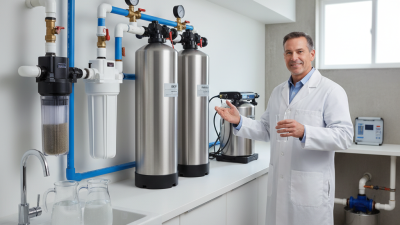
When considering water filtration for well water, installation and maintenance play key roles. It's important to assess the space available for the filtration system. A small area may limit your options. You should choose a system that fits your needs without crowding your space.
During installation, ensure all connections are secure. Leaking pipes can cause serious issues later. When adding a filtration system, check for compatibility with existing plumbing. Some systems require specific adapters. Also, think about future access for maintenance. If filters are hard to reach, you might neglect them.
Maintaining your filtration system is crucial. Regularly check the filters. They can become clogged and ineffective over time. Change them as recommended by guidelines. Water quality monitoring should be a routine task. Test your well water periodically. This can help catch emerging issues early. Addressing maintenance proactively can save you from bigger problems down the line.
How to Choose the Best Water Filtration for Well Water? - Installation and Maintenance Tips for Well Water Filtration
| Filtration Type |
Contaminants Removed |
Installation Complexity |
Maintenance Frequency |
Cost (Estimated) |
| Reverse Osmosis |
Nitrates, Lead, Arsenic |
Moderate |
6-12 months |
$150-$500 |
| Activated Carbon |
Chlorine, Sediments, VOCs |
Easy |
3-6 months |
$50-$300 |
| Ultraviolet (UV) |
Bacteria, Viruses |
Moderate |
12 months |
$200-$600 |
| Water Softeners |
Hardness Minerals (Calcium, Magnesium) |
Moderate |
1-2 years |
$400-$1200 |
| Ceramic Filters |
Bacteria, Sediments, Protozoa |
Easy |
6-12 months |
$70-$300 |
Cost Analysis of Different Well Water Filtration Options
When analyzing costs for well water filtration, various systems present different price points. A 2021 report by the Water Quality Association estimated that homeowners could spend anywhere from $200 to $5,000. This range depends on factors like water quality, contaminants, and system type. Basic systems, like sediment filters, typically cost less. However, more complex setups, such as reverse osmosis or UV treatment, can escalate costs significantly.
Installation is another crucial cost to consider. Professional installation fees can add up, sometimes exceeding $1,000. Many DIY enthusiasts may opt to install systems themselves. This choice can save money, but it requires understanding technical specifications. Miscalculations could result in ineffective filtration. Additionally, maintenance costs must also be accounted for. Some filters need regular replacement, leading to ongoing expenses that can add up over time.
When considering well water filtration, the investment can feel overwhelming. Many homes might opt for lower-priced filters, thinking they are sufficient. However, these solutions may not address specific contaminants, leading to potential health risks. Ultimately, it’s essential to assess both immediate costs and long-term implications.
Cost Analysis of Different Well Water Filtration Options