How to Choose the Right Compact Wheel Loader for Your Needs?
Choosing the right Compact Wheel Loader can significantly impact your productivity and efficiency. As construction and landscaping demands rise, the compact wheel loader market is projected to grow at a compound annual growth rate (CAGR) of 3.6% from 2021 to 2026, according to a recent industry report. These machines are versatile, designed for various tasks in tight spaces. It's crucial to assess your specific needs before making a decision.
Different models offer distinct capabilities. For instance, while certain loaders excel in lifting capacity, others prioritize maneuverability. The average lifting capacity of compact wheel loaders ranges from 1,500 to 3,500 pounds. Knowing your requirements helps to match the right loader to your tasks. However, some may overlook the importance of matching features to their work environment, which can lead to inefficiencies.
Additionally, budget constraints often play a role in the selection process. Compact wheel loaders can cost between $20,000 and $50,000. This variance reflects their specifications and capabilities. Prioritizing essential features over unnecessary ones can help in making a wise investment. Reflecting on your requirements and options can ensure you choose a compact wheel loader that fits your operational expectations.
Understanding the Basics of Compact Wheel Loaders
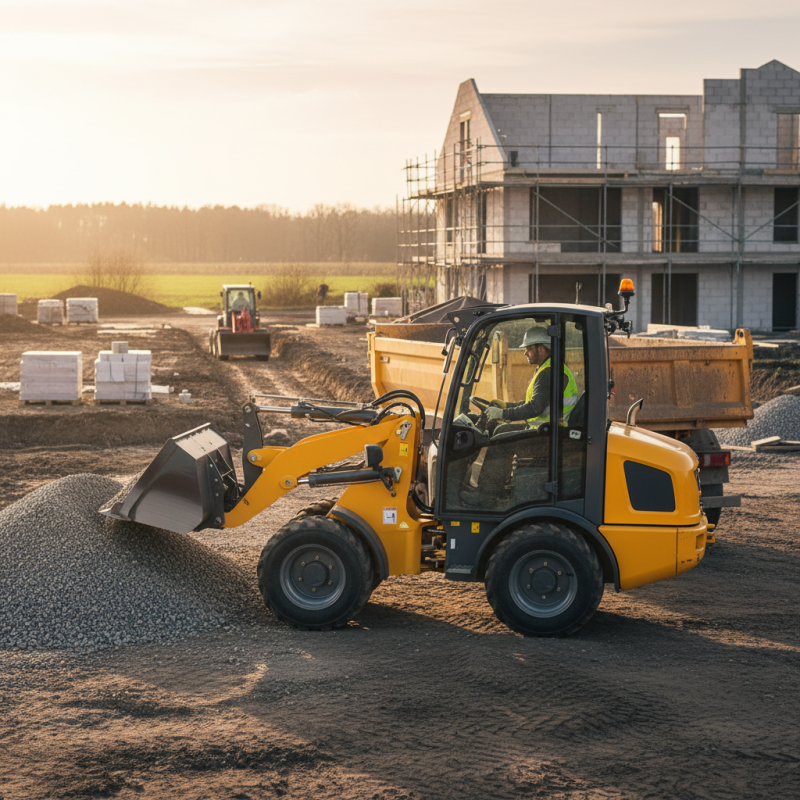
Compact wheel loaders are versatile machines designed for various construction and landscaping tasks. They excel in tight spaces, making them ideal for urban projects. With a small turning radius, they maneuver easily around obstacles, saving time and effort on the job site. The buckets can handle a range of materials, from soil to gravel, enhancing their functionality.
When choosing a compact wheel loader, consider engine power and hydraulic capacity. A powerful engine ensures efficiency, especially for heavy lifting. The hydraulic system plays a crucial role in attachment versatility. Selecting the right attachments can expand the loader’s capabilities greatly. However, some operators might overlook this aspect, leading to underutilization of the equipment.
Another key factor is weight. Heavier models provide stability but can damage softer surfaces. Operators must weigh the trade-off between power and ground pressure. Misjudging this can lead to costly repairs or project delays. Ultimately, understanding your specific needs is vital for making the best choice. Reflecting on previous experiences with loaders can guide better decision-making.
How to Choose the Right Compact Wheel Loader for Your Needs?
| Feature | Description | Importance Level |
| Operating Weight | The total weight of the loader, affecting stability and lifting capacity. | High |
| Engine Power | Measured in horsepower, it determines the loader's performance under load. | High |
| Bucket Capacity | The volume of material the loader can hold, typically measured in cubic yards or meters. | Medium |
| Tipping Load | The maximum weight that can be carried without tipping over. | High |
| Hydraulic System | The strength and efficiency of the hydraulic system affect attachment performance. | High |
| Attachment Options | Compatibility with various attachments for increased versatility. | Medium |
| Cab Comfort | Quality of the operator's cab and controls can impact user experience. | Medium |
Assessing Your Specific Operational Requirements
When selecting a compact wheel loader, it's crucial to assess your specific operational requirements. Consider the types of projects you'll tackle. Will you be lifting heavy materials or just moving dirt? Your workload greatly influences the machine you choose.
Next, evaluate the terrain you'll operate on. Is it flat or uneven? Smooth surfaces allow for smaller, lighter models. Conversely, if you're on hilly terrain, you might need something more robust. Think about the attachments you'll use as well. Will it be equipped with buckets, forks, or specialized tools? Each option may require varying capacities and power.
Don't overlook your budget or available space for storage. Compact models often promise versatility, but more features can also mean higher costs. Sometimes, opting for a basic model can lead to better cost-efficiency. Reflect on your long-term needs versus short-term projects. Carefully weighing these factors will ensure you choose a loader that truly fits your requirements.
Evaluating Engine Power and Load Capacity
When choosing a compact wheel loader, engine power and load capacity are crucial factors. Industry reports indicate that a machine with at least 50 horsepower is ideal for light to medium tasks. This power allows operators to lift and transport materials efficiently. On the load side, a capacity of around 1,500 to 2,000 pounds is common. This range suits many construction projects and landscaping jobs.
However, users often overlook the need to match engine power with specific tasks. For example, tasks requiring heavy lifting may demand a loader with higher engine specifications. Conversely, a smaller engine might suffice for lighter duties. This mismatch can lead to inefficiencies. In fact, data shows that machines underutilized can increase operational costs by up to 20%.
It's also vital to consider terrain and application. For rough terrains, a higher horsepower is beneficial. Yet, too much power on easy jobs can waste fuel and resources. Therefore, evaluate the workload and site conditions before making a choice. The right balance between power and capacity can significantly impact performance and productivity.
Considering Attachments and Versatility Options
When selecting a compact wheel loader, attachments and versatility are key factors. These machines can perform various tasks. Consider your typical projects, whether it’s landscaping, construction, or agriculture. Different attachments can significantly enhance productivity. Buckets, forks, and grapples each serve unique purposes. For example, a bucket is great for moving dirt, while forks can lift pallets.
Think about your work environment too. A loader with multiple attachment options can adapt to changing tasks. However, versatility often comes with a learning curve. Operators may need training to use different attachments effectively. This can be frustrating initially but is crucial for maximizing efficiency.
Also, assess the loader’s power and hydraulic capabilities. Some attachments require more force. A mismatch can lead to inefficiencies or damage. Balancing attachment versatility with equipment strength is essential. It’s important to reflect on your specific needs before making a choice. The right attachments can turn a compact wheel loader into a multifaceted tool, but choosing poorly may limit your machine's effectiveness.
Analyzing Cost, Maintenance, and Resale Value
When choosing a compact wheel loader, it's crucial to consider the costs. Initial purchase prices can vary widely. Budgeting for essential features is important. Look for models that offer balance between capabilities and affordability. Higher initial costs could lead to better performance and durability. This can reduce the need for frequent repairs, saving money in the long run.
Maintenance costs are another vital factor. Regular maintenance ensures longevity, but service prices can add up. Research what parts are prone to wear. Some models require more frequent servicing than others. Read owner reviews about their experiences with maintenance. This can provide insight into potential hidden costs you might face.
Resale value is often overlooked. A loader that retains its value can be a significant advantage. Research historical resale prices in the market. Some models depreciate faster, while others maintain value longer. Recognizing this trend can help you make an informed decision. Think about how long you plan to keep the machine. If resale matters greatly, choose wisely. It can impact your overall investment return.