How to Choose the Right Photovoltaic Connectors for Your System?
In recent years, the photovoltaic industry has experienced rapid growth. According to the International Energy Agency (IEA), solar power capacity grew by 22% in 2020 alone. As this sector expands, choosing the right Photovoltaic connectors becomes increasingly crucial. These components play a significant role in ensuring system efficiency and longevity. A well-selected connector minimizes energy loss and increases safety.
Photovoltaic connectors come in various types and specifications. Each option has unique advantages and drawbacks. For example, some connectors offer better weather resistance, while others excel in ease of installation. Many installers overlook these critical differences. Failing to choose appropriately can lead to system failures and increased maintenance costs down the line.
It's essential to address these challenges when selecting photovoltaic connectors. Industry reports often highlight common mistakes, emphasizing the need for thorough research. The right connector not only enhances system performance but also extends lifespan. Rethinking choices could prevent future issues, ensuring a reliable solar energy solution for years to come.
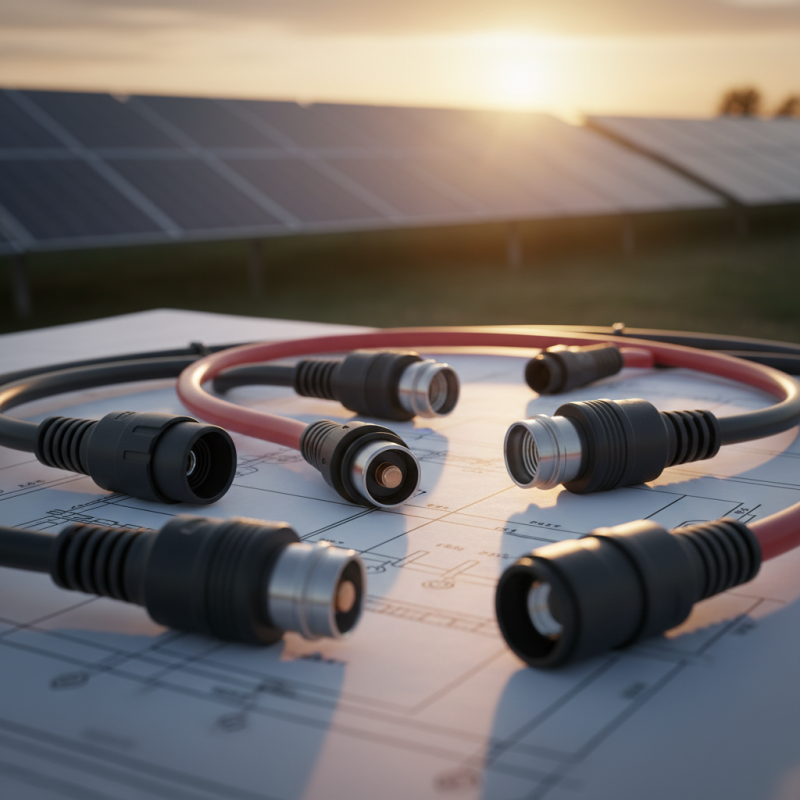
Understanding Photovoltaic Connectors and Their Importance
Photovoltaic connectors play a crucial role in solar energy systems. They ensure the safe and efficient connection of solar panels to inverters and other components. A reliable connection minimizes energy loss and protects the entire system from potential failures. Understanding the different types of connectors is key to making informed choices.
Choosing the appropriate connectors involves several factors. Compatibility with solar panel types is essential. The connectors must withstand harsh conditions like extreme temperatures and moisture. Look for connectors that offer easy installation yet robust performance. Mistakes here can lead to severe system inefficiencies. Many users overlook this and end up facing costly repairs.
It’s important to assess your system’s unique requirements. Consider the total power output and the layout of your panels. Some connectors are better suited for specific setups. Sometimes, the right choice isn't clear. A little research and asking for expert advice can make a significant difference in your overall system efficiency.
Types of Photovoltaic Connectors: An Overview
When setting up a photovoltaic system, understanding types of connectors is vital. Photovoltaic connectors facilitate the efficient flow of electricity between the solar panels and inverters. There are several common types to consider, such as MC4 connectors. These connectors are robust and waterproof, making them suitable for outdoor installation. They are easy to connect and disconnect, which allows for flexibility and maintenance.
Another type worth mentioning is the XT60 connector. This is often used in smaller solar systems. It has a compact size but provides a secure connection. However, it may not be the best choice for larger installations due to lower current ratings. Each connector type has strengths and weaknesses. Choosing the right one should depend on your system requirements.
You might also encounter some specialized connectors, like PV1-F or the Solar Series connectors. These connectors offer unique benefits, tailored for specific situations. Their installation might require extra care and expertise. It can be frustrating when connectors are mismatched, leading to issues down the line. Selecting the appropriate connector involves evaluating your specific needs and potential growth. It's a thoughtful process that can significantly impact system performance.
How to Choose the Right Photovoltaic Connectors for Your System?
| Connector Type | Compatibility | Current Rating (A) | Voltage Rating (V) | Temperature Range (°C) |
| MC4 | Compatible with most solar panels | 30 | 1000 | -40 to 85 |
| Tyco / AMP | Various solar panels | 40 | 600 | -20 to 90 |
| SMA Connectors | SMA inverters | 24 | 1000 | -40 to 85 |
| H4 | Compatible with various solar panels | 35 | 1500 | -40 to 85 |
| MC4-Evo 2 | Compatible with MC4 | 45 | 1500 | -40 to 85 |
Key Factors to Consider When Choosing Connectors
When selecting photovoltaic connectors, key factors significantly influence performance. Compatibility with your existing system is critical. Different solar panels and inverters may require specific connector types. A mismatched connector can lead to inefficient energy transfer. According to the Solar Energy Industries Association, improper connections can reduce system efficiency by up to 5%.
Durability is another vital consideration. Connectors must withstand harsh weather conditions. Extreme temperatures and moisture can affect their longevity. The International Electrotechnical Commission recommends selecting connectors rated for outdoor use. Those designed for UV protection and corrosion resistance are often preferred. It's estimated that lower-quality connectors can fail within five years, causing costly replacements.
Electrical ratings also play a role. Ensure the chosen connectors can handle the voltage and current of your system. Overloading connectors can lead to failures or even hazards. Inadequate connections may not only affect output but also present safety risks. Regular assessments are crucial to ensure connectors remain effective. A real-world study found that 15% of connector failures were due to a lack of maintenance, emphasizing the need for diligent care.
How to Choose the Right Photovoltaic Connectors for Your System?
Compatibility and Standards in Photovoltaic Systems
Choosing the right photovoltaic (PV) connectors is crucial for ensuring your solar system works effectively. Compatibility and adherence to standards play significant roles. There are various connector types available, each designed for specific applications. Understanding these can be tricky.
Pay attention to the industry standards. Connectors must meet safety and performance criteria. The most common standards include IEC and UL. Not all connectors fit everywhere. A mismatch can lead to system failures. Researching what fits your needs can save time and money.
Tips: Always verify the voltage and current ratings of connectors. Check their insulation materials, as they should withstand environmental stress. Proper sealing is essential for longevity in outdoor applications. If unsure, consult with a professional. Sometimes, connectors look similar but function quite differently. Don't overlook this detail; it matters. Remember to revisit your choices periodically. The PV technology landscape changes fast. Your initial decisions may not always be the best ones later. Be open to re-evaluation.
Maintenance and Safety Tips for Photovoltaic Connectors
Photovoltaic connectors are crucial for solar energy systems. Their maintenance should never be overlooked. Regular inspections can prevent major failures. Check for any signs of wear. Cracks or discoloration can indicate damage. Keep the areas around the connectors clean. A tidy environment minimizes risks.
Safety is also essential. Ensure all connectors are securely attached. Loose connectors can lead to disconnects and losses. Always work with tools appropriate for electrical systems. Use insulated tools to avoid accidents. When working on systems, consider wearing protective gear. Safety glasses and gloves can reduce injury risks.
In some instances, manual handling can be tricky. You might find connectors misaligned after initial installation. Realign them carefully to avoid stress. Remember, a well-maintained system can provide reliable energy for years. Ignoring even small issues can lead to significant problems later. Regular maintenance is key to long-term success.