How to Choose the Best Rubber Conveyor Belt at Canton Fair 2026?
Choosing the best Rubber Conveyor Belt at the 2026 Canton Fair requires careful consideration. This event will host diverse exhibitors, showcasing advanced technologies and materials. With a vast exhibition area of 1.55 million square meters, navigating it efficiently is essential. The introduction of AI-driven search tools will enhance your experience, allowing for quick supplier identification. Look for suppliers with certifications, such as ISO and CE, to ensure quality and safety.
Interestingly, the Canton Fair also focuses on manufacturing trends. Many vendors may offer similar products, but quality varies. Observing different Rubber Conveyor Belts in person can help you understand these differences. Keep a checklist of what you need, including material durability and performance specifications. The opportunity to physically inspect belts is invaluable.
While AI tools provide efficiency, don’t rely solely on them. Deeper insights can come from personal interactions. Ask questions and share feedback. Not all suppliers will meet your expectations, and that’s okay. Reflecting on these experiences can guide better decisions. Selecting the right Rubber Conveyor Belt can significantly impact your operations. Spend time reviewing options and make informed choices.
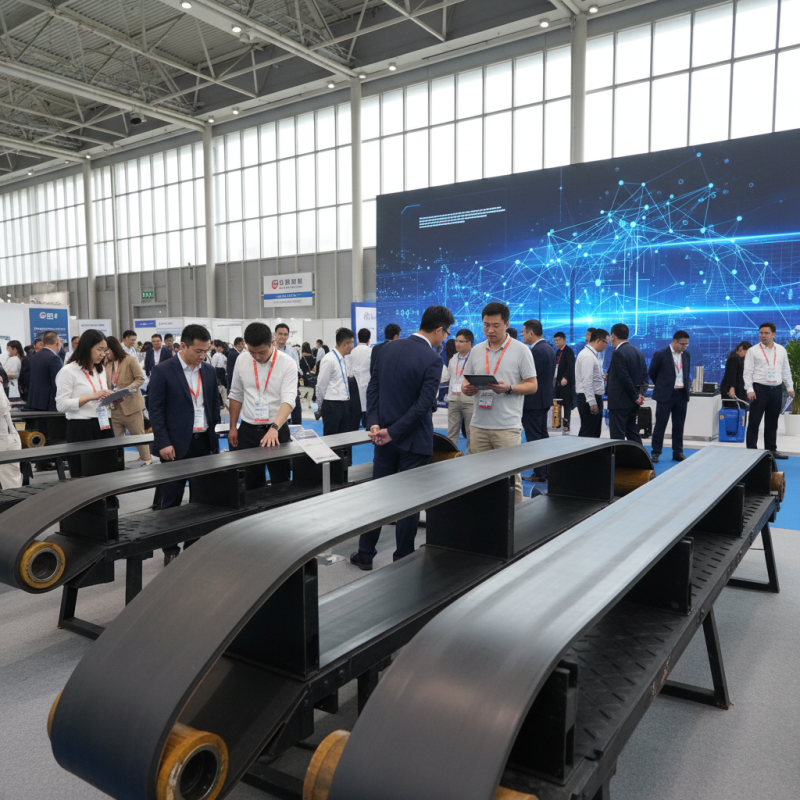
Understanding the Types of Rubber Conveyor Belts Available at Canton Fair
When attending the Canton Fair 2026, understanding the types of rubber conveyor belts is crucial. These belts come in various materials and designs. The main types include flat belts, modular belts, and cleated belts. Each serves specific applications and industries. Flat belts provide smooth transport. They are ideal for light to medium loads. Modular belts are more durable and offer flexibility. Cleated belts help with the transportation of bulk materials.
Tip: Consider the weight and type of materials you'll transport. This choice affects belt design.
You might notice that not all suppliers display detailed specifications. Some may use vague terms. Look for descriptions that specify abrasion resistance and temperature tolerance. This can help you avoid mishaps later.
Tip: Always ask for a sample. Testing the belt can reveal essential details.
Lastly, keep in mind the compatibility with existing equipment. Measure your machinery carefully. An ill-fitting belt can cause operational issues. Don't hesitate to clarify your needs with suppliers. Ensuring proper fit is key to efficiency.
Evaluating Quality: Key Features of Durable Rubber Conveyor Belts
When evaluating rubber conveyor belts, quality is paramount. Key features like tensile strength, abrasion resistance, and flexibility are essential. A robust tensile strength can prevent wear and tear during heavy-duty operations. According to industry reports, belts with tensile strengths over 400N/mm are ideal for harsh environments.
Moreover, the surface material plays a crucial role in durability. High-quality rubber compounds resist abrasions and cuts caused by heavy loads. A report from the Conveyor Manufacturers Association indicated that belts with enhanced wear-resistant properties can last 30% longer than standard options. Flexibility is another vital aspect. A flexible belt adapts better to varying loads and operates smoothly, minimizing the risk of failure.
Finding the perfect balance between these features can be challenging. It requires careful consideration of operational needs and environmental conditions. Always review product specifications and consider conducting tests. Industry experts suggest that investing in quality materials may yield better long-term results, even if initial costs are higher. Pay attention to how well the belt performs under your specific conditions. This reflection can lead to better choices in the long run.
Evaluating Quality: Key Features of Durable Rubber Conveyor Belts
Identifying the Right Size and Specifications for Your Needs
Choosing the right rubber conveyor belt at Canton Fair 2026 requires careful consideration of size and specifications. The industry data suggests that up to 45% of conveyor belt failures stem from incorrect sizing. This statistic highlights the need for precise measurements tailored to your specific application. To avoid unnecessary downtime, focus on dimensions such as belt width, length, and thickness.
Understanding material specifications is equally essential. Data from recent industry reports indicates that belts made from specialized rubber compounds can improve performance by up to 30%. For example, if you’re transporting heavy or abrasive materials, consider belts with enhanced wear resistance. This attention to detail can significantly influence your belt’s lifespan.
Don’t overlook the importance of load capacity as well. Each belt has a defined capacity, often available in supplier catalogs. A mismatch here can lead to premature failures. Industry experts recommend calculating the total weight of materials to ensure compatibility. Remember, the right fit is critical for successful operations. Balancing your needs with available options isn’t always straightforward. It may take time and testing to find your ideal choice.
Comparing Prices and Suppliers for Optimal Value at the Fair
When attending the Canton Fair 2026, comparing prices and suppliers for rubber conveyor belts can be daunting. According to industry reports, pricing can vary significantly among suppliers, sometimes ranging from $4 to $10 per meter, depending on material quality and specs. It's essential to analyze these options to ensure optimal value.
Consider the trade-offs involved. Cheaper belts may compromise durability, leading to more frequent replacements. A 2022 study from the International Rubber Study Group indicated that investing in higher-quality belts can reduce long-term maintenance costs by up to 30%. However, many buyers still hesitate to spend upfront, opting for lower-cost options that might not meet their needs.
Look for suppliers that offer transparent pricing models. Some may include hidden costs in their quotes, such as shipping fees or installation charges. Engage in discussions about these aspects during the fair. This helps avoid surprises after the purchase. Remember, some suppliers might promise great deals but lack reliable customer service. Assessing reputation and customer feedback could reveal crucial insights.
Tips for Effective Negotiation and Purchase at Canton Fair 2026
Navigating the bustling environment of the Canton Fair requires preparation, especially for purchasing rubber conveyor belts. Start by defining your specific needs. Think about the size, material, and intended usage of the conveyor belt. Make a checklist of these requirements. It helps narrow down your search. Engage with several vendors to gather insights. Ask direct questions regarding the products they offer. This approach can guide you to better choices.
Negotiation can be tricky at such large events. Don't hesitate to express your budget limitations. Many suppliers expect negotiation. Sometimes, the first price is not final. Being polite yet firm is key. Don't rush; take your time to evaluate options. Request samples if available. This tangible evaluation can influence your decision. It's sometimes easy to overlook the quality in a hurry.
Stay alert to the various deals available. Some booths may offer bundled products or discounts. However, be cautious of too-good-to-be-true offers. Gather all necessary information before committing. Reflect on your priorities. Are you focused solely on price? Or is quality more important? Finding the right balance will lead to a satisfactory purchase.