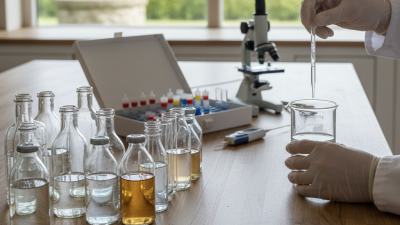
7 Best Water Testing Kits for Safe Drinking Water
Safe drinking water can look clear, smell normal, and still contain hidden contaminants. A practical water testing plan helps reveal problems before they affect your household. This guide examines seven water testing kits for accuracy, ease of use, testing range, and overall value. It focuses on common concerns, including lead, bacteria, nitrates, chlorine, hardness, pH, and heavy metals.
Not every kit is equally useful. Read the label. Some products provide quick color changes, while others require laboratory analysis for more dependable results. A useful kit should include clear instructions, sealed materials, understandable charts, and a realistic detection range. Independent certification or recognized laboratory support can strengthen its credibility. However, certification claims deserve careful checking.
Your water source matters. Private well owners may need broader testing than people served by regulated municipal systems. Older plumbing can also change results at the tap. Collecting a sample from the kitchen faucet may reveal different conditions than sampling near the main line. Small details matter.
No home kit is perfect. That is worth remembering. These products can support early screening, but they cannot confirm every health risk. If results appear abnormal, repeat the test and contact a certified laboratory or local health department. Follow current public guidance, especially after flooding, repairs, or changes in water taste. The following comparison balances convenience with reliability, while admitting one uncomfortable truth: the cheapest option may not be the safest choice.
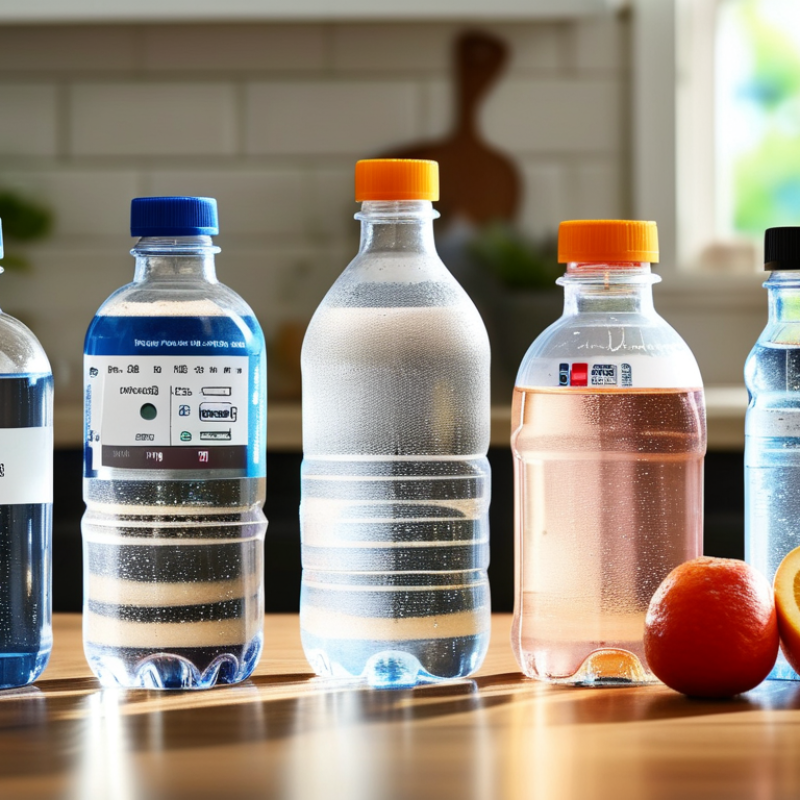
What Makes a Water Testing Kit Reliable for Drinking Water
7 Best Water Testing Kits for Safe Drinking Water
A reliable drinking-water test kit begins with the contaminant it can measure. No single kit detects everything. The U.S. Environmental Protection Agency’s Fifth Unregulated Contaminant Monitoring Rule requires public systems to monitor 29 PFAS, showing how testing needs change as evidence develops. A credible kit should list its target contaminants, detection limits, sample volume, and testing method clearly. Vague claims such as “complete protection” deserve caution.
Accuracy also depends on procedure. Look for independent laboratory verification, sealed reagents, clear expiration dates, and controls that reveal failed tests. Results should use familiar units, such as micrograms per liter, and compare with recognized health guidelines. The World Health Organization lists 10 micrograms per liter as its guideline value for lead. A home strip may flag a concern, but laboratory confirmation is wiser before making expensive decisions. This is where many reviews become too confident.
Tips: Test cold tap water after several hours of stagnation, then repeat with a flushed sample. For private wells, the Centers for Disease Control and Prevention recommends testing at least annually, plus after flooding, repairs, or changes in taste and smell. Keep a dated record of every result. Test kits are useful, not magical. Temperature, storage, user timing, and old reagents can distort readings. I would rather see an honest “not detected above this limit” than a dramatic color chart pretending to provide certainty.
7 Best Water Testing Kits for Safe Drinking Water: What Makes a Kit Reliable?
A reliable drinking-water test kit should measure important contaminants at or below applicable regulatory limits, provide clear units, include quality-control instructions, and offer repeatable results. The chart shows U.S. EPA maximum contaminant levels or action levels for seven common drinking-water concerns. Lower limits generally require greater test sensitivity.
Reference: U.S. EPA National Primary Drinking Water Regulations. Values are shown in micrograms per liter (µg/L); nitrate is reported as nitrogen.
Key Contaminants Measured by Home Water Test Kits
Choosing among the 7 best water testing kits starts with the contaminants they measure. Lead can enter water through older plumbing, while nitrate often reflects fertilizer, septic, or agricultural runoff. Arsenic may occur naturally in groundwater. These hazards can be invisible, tasteless, and odorless. The World Health Organization and UNICEF reported that 2.2 billion people lacked safely managed drinking water in 2022. That figure makes testing more than a convenience.
Bacteria tests can indicate contamination from wells, storage tanks, or damaged pipes. However, one negative result does not prove permanent safety. Testing conditions, sample timing, and poor storage can distort results. A 2023 U.S. Environmental Protection Agency assessment identified strict limits for several PFAS compounds, including 4 nanograms per liter for PFOA and PFOS. Many home kits cannot reliably measure such tiny concentrations. They also may miss seasonal changes. A certified laboratory is better for confirmation, especially after flooding, plumbing work, or an unusual taste. Home kits are useful screening tools, not final verdicts.
Tips:
Test cold tap water after several hours of non-use. Follow the kit’s exact sampling instructions. Compare results with local drinking-water standards, not only the kit’s color chart. If lead, nitrate, arsenic, bacteria, or PFAS appears elevated, repeat the test and seek laboratory verification. A cheap strip can reveal a warning, but it cannot explain the whole story.
Seven Top Water Testing Kits and Their Main Features
Safe drinking water depends on testing the right contaminants, not choosing the most expensive kit. Seven useful options cover different household needs and testing methods.
Strip-based kits offer quick checks for pH, chlorine, hardness, and nitrate. They are cheap and easy to store. Color matching can be confusing under a yellow kitchen light.
Liquid reagent kits usually provide clearer color changes and test more chemical indicators.
Digital meters measure pH or total dissolved solids within seconds. However, they need calibration and clean sampling cups.
Bacteria presence-absence kits are valuable after flooding, plumbing repairs, or well maintenance. They cannot identify every organism.
Lead test kits focus on a serious plumbing concern, especially in older homes. Results should be confirmed by an accredited laboratory when exposure seems possible.
Iron and manganese kits help explain metallic tastes, stains, or dark sediment.
Mail-in laboratory kits provide broader analysis and professional reporting. They cost more and require careful sample collection.
In my experience, simple strips work well for routine screening. They do not replace laboratory testing when results look unusual.
Use cold water from the intended drinking tap, and let it run briefly before sampling. Follow the stated waiting time precisely. A rushed reading can change the result.
Record the date, water source, and visible changes. Repeating a test on another day can reveal patterns that one sample misses.
Testing kits are useful tools, but their limits deserve attention. A reliable choice matches the local water source, suspected risk, reading method, and need for confirmation.
How to Use and Interpret Results from a Water Testing Kit
A water testing kit is useful only when the sample and timing are handled carefully.
Wash your hands, use the supplied container, and avoid touching its inside. Follow the instructions exactly, especially for first-draw samples used to check lead. Run the tap as directed, because flushing can change the result. Record the date, water source, and test conditions.
Read the color beside the kit’s comparison chart under natural light. Do not guess between shades. A slightly different color may represent a meaningful change, or simply poor lighting. Short tests. Careful notes matter. Check the control line or reaction indicator before accepting any result. If it fails, discard the test and repeat it with fresh materials. pH shows acidity, but it does not prove that water is safe. Nitrate, chlorine, hardness, lead, and bacteria require different testing methods.
Home kits can provide an early warning, not a complete safety assessment. A negative result does not rule out every contaminant, especially when the kit has limited sensitivity. If lead, bacteria, nitrate, or another regulated contaminant appears elevated, stop relying on taste or smell. Retest with an independent, certified laboratory and contact the local water authority for interpretation. One result can be wrong. I once treated a neat color match as decisive; that was too confident. Sampling error, expired reagents, and contaminated containers can all mislead careful users. Keep the instructions and photographs with your records.