Best Tips for Choosing a Well Water Filter?
Choosing the right well water filter is essential for health and safety. Many people rely on private wells for their water supply. However, well water can contain harmful contaminants. This makes selecting a quality filter crucial.
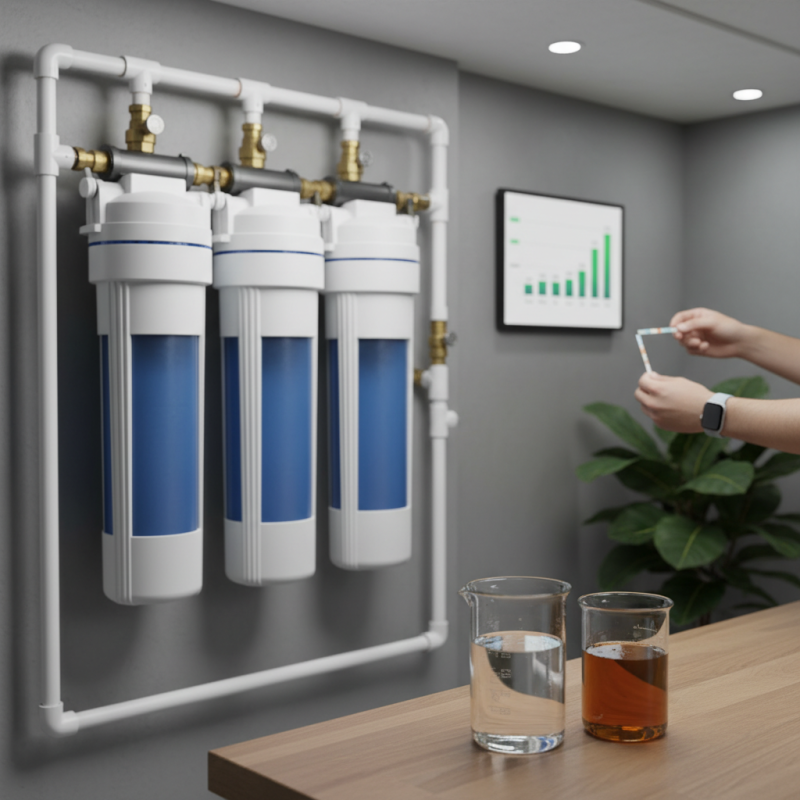
When looking for a well water filter, consider the specific contaminants in your water. Testing your water before making a choice is a smart move. You might be surprised by what you find. Some filters only remove certain pollutants, leaving others untouched.
Take your time in evaluating your options. Not all filters are created equal. Some may require frequent replacement, while others last longer. It's important to weigh these factors as well. Investing in a reliable well water filter is a decision that can significantly improve your water quality. Remember, good health starts with clean water.
Understanding the Importance of Well Water Filtration
Well water filtration is crucial for ensuring safe drinking water. Many homeowners rely on well water pumps, but it may contain contaminants. These can include bacteria, minerals, and chemicals. Understanding how to properly filter well water is essential for health.
When choosing a water filter, consider the contaminants present in your water supply. Testing your water is a smart step. It reveals what you need to filter out. Look for filters that specifically target these harmful substances. Researching different systems can be overwhelming. Don't rush the decision.
It’s also important to evaluate your household's water needs. A small family may not require the same capacity as a large one. Think about maintenance costs. Some filters require more upkeep than others. This choice may affect your budget. Prioritize ease of use. Filters that are simple to operate can save time and effort. Filtering well water is a responsible choice. But it's not always easy, and mistakes can happen. Always reflect on your choices.
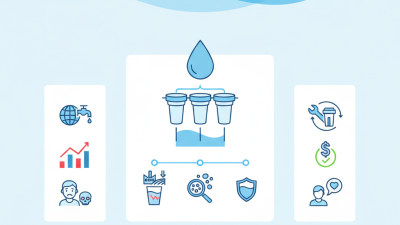
Comparison of Well Water Contaminants
Types of Contaminants Commonly Found in Well Water
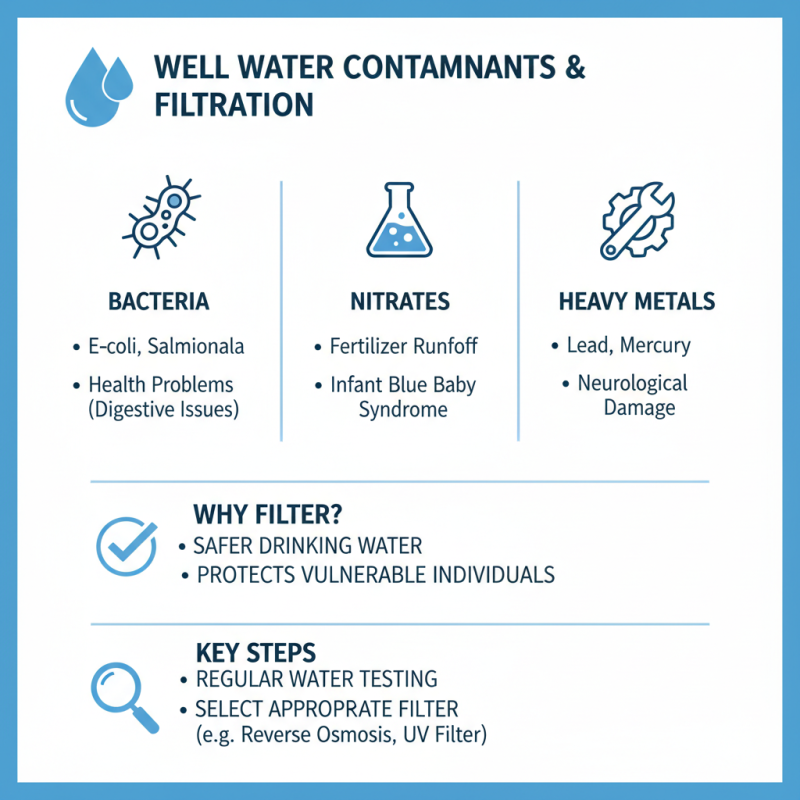
Well water often contains various contaminants that can affect its safety. Understanding these contaminants is crucial for selecting an appropriate filter. Commonly found issues include bacteria, nitrates, and heavy metals. Bacteria can cause health problems, especially in vulnerable individuals. Regular testing is essential to identify these organisms.
Nitrates usually originate from fertilizers or septic systems. They can be harmful, particularly to infants. Heavy metals like lead and arsenic may enter well water through plumbing or natural deposits. These substances are more concerning as they don't always produce noticeable signs.
It's important to evaluate your well water regularly. Many owners overlook this. Finding a reliable testing service can be challenging, but it outweighs risks to health. Knowledge is power. You need to stay informed about what’s in your water. Aim for clarity and safety in each drop you drink.
Key Features to Look for in a Well Water Filter
When selecting a well water filter, certain key features can significantly impact your water quality. First, consider filtration capabilities. A good filter should remove harmful contaminants like bacteria, heavy metals, and sediment. According to the Environmental Protection Agency, approximately 15% of community water systems violate health-based standards. Thus, investing in a reliable filter is crucial.
Another essential feature is the filter's flow rate. Water should flow smoothly and quickly. A filter with a low flow rate may lead to frustration during usage. Look for a model that balances filtration effectiveness with efficiency. A study from the Water Research Center indicates that filters with a flow rate of 2 gallons per minute are often more than sufficient for residential use.
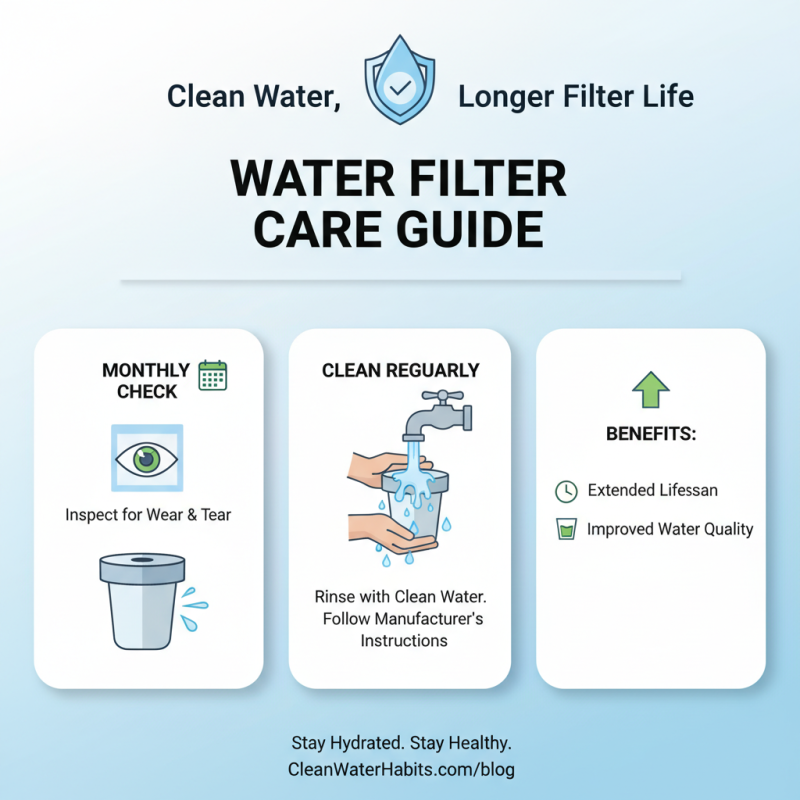
Maintenance is also critical. Filters require regular replacement to remain effective. Some systems provide user-friendly indicators for replacement needs. This feature can prevent the risk of using an ineffective system. Monitor your water quality regularly for any changes. Remember, clean water is vital, but ensuring your system works properly is just as important.
Evaluating Filtration Systems: Point-of-Use vs. Point-of-Entry
Choosing the right filtration system is crucial for well water users. When evaluating options, you’ll often encounter two main types:
point-of-use (POU) and
point-of-entry (POE) systems.
POU systems filter water at specific tap points. They may be ideal for drinking and cooking applications. However, they usually require more maintenance and can be limited in what contaminants they remove.
On the other hand, POE systems treat all water entering the home. They often address a broader range of contaminants. According to the
National Ground Water Association, about 13 million households use well water. Many of these homes face issues with sediment,
nitrates, and heavy metals, which can be effectively managed with a POE system. Installing a POE filter can simplify maintenance.
You could save time, but they often have higher upfront costs.
In some cases, your home’s plumbing might pose challenges for installation.
While both systems have their pros and cons, consider your specific needs. A detailed water quality report can guide your decision.
Testing your water can reveal contaminants. This step is vital, as choosing the wrong system may leave certain issues unaddressed.
Balancing your budget, maintenance capabilities, and family needs is essential.
Avoid common pitfalls that arise from overlooking these factors.