2026 Best Investment Casting Mold for Global Manufacturing Needs?
In the ever-evolving landscape of global manufacturing, the quest for the most efficient methods continues. Investment casting, a process known for producing complex shapes, has become essential. At the heart of this process lies the Investment Casting Mold. It plays a crucial role in defining the accuracy and quality of the final product.
Manufacturers are constantly seeking molds that can withstand high temperatures and provide durability. The effectiveness of the Investment Casting Mold directly impacts production efficiency and cost-effectiveness. However, challenges remain. Many companies face difficulties in selecting the right materials and designs for their molds. This can lead to inefficiencies and wasted resources.
As we look ahead to 2026, understanding the evolving needs for Investment Casting Molds is paramount. New technologies and materials are emerging, promising to enhance performance. However, some manufacturers may not fully embrace these innovations due to various factors, such as costs. Each choice in mold design and material affects the final output significantly. Adopting a forward-thinking mindset can lead to breakthroughs in casting efficiency.
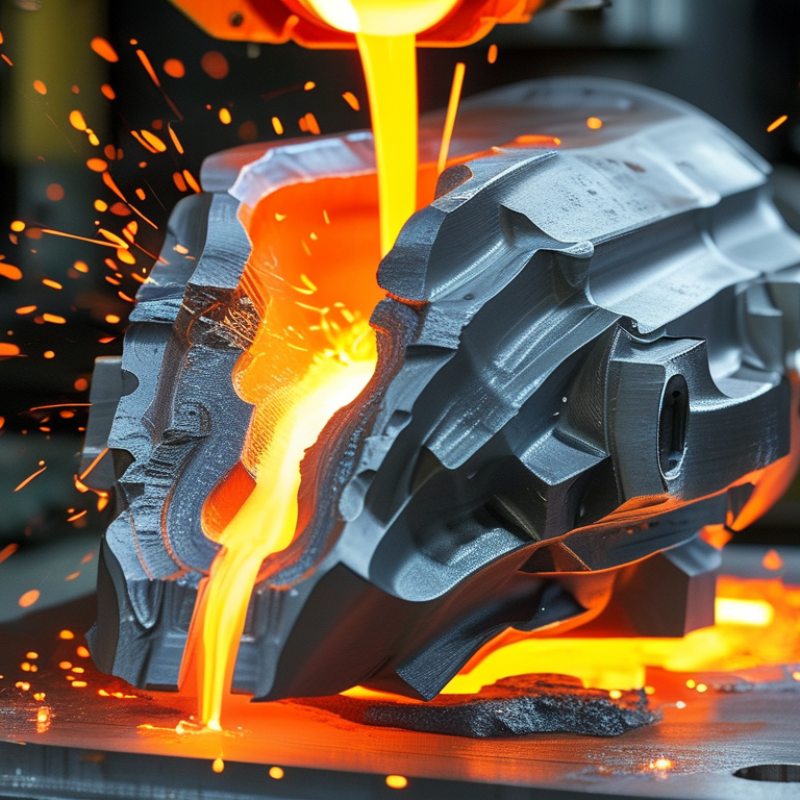
The Importance of Investment Casting in Global Manufacturing
Investment casting plays a pivotal role in global manufacturing. This method offers precision and versatility in creating complex metal parts. According to a market report by ResearchAndMarkets, the investment casting market is projected to reach $20 billion by 2026, driven by growing demand from aerospace and automotive sectors. Such projections highlight the importance of investment casting in meeting diverse manufacturing needs.
One notable advantage of investment casting is its ability to produce intricate shapes with excellent surface finish. This reduces the need for extensive machining, saving both time and costs. However, challenges remain in ensuring consistent quality. Variability in casting materials can lead to imperfections. Manufacturers must invest in quality control measures to mitigate these issues and meet industry standards.
The skill level of workers also significantly affects the casting outcomes. Skilled labor is integral to achieving high-quality results. Nevertheless, the industry faces a talent shortage, impacting overall productivity. Addressing this gap through training and education will be crucial to sustaining growth in investment casting.
Key Trends Influencing Investment Casting Mold Design in 2026
As we move toward 2026, investment casting molds are evolving to meet complex manufacturing requirements. One key trend is the increasing use of advanced materials. These materials can withstand higher temperatures and stress, enhancing mold durability. Manufacturers are exploring alloys that offer superior performance. This trend not only improves efficiency but also reduces production costs over time.
Another significant factor is the integration of smart technology. The rise of Industry 4.0 influences mold design, with features like sensors embedded within molds. These sensors monitor temperature and pressure in real time. Such innovations allow for better quality control and reduce material waste. However, not all manufacturers can afford these technologies. This can create disparities in production capabilities.
Sustainability is also shaping mold design. More companies are seeking eco-friendly materials and processes. Yet, the balance between sustainability and cost remains a challenge. It's essential to reflect on how these trends impact the overall investment casting landscape. As the industry adapts, flexibility in design will prove vital for meeting global manufacturing needs.
Materials and Technologies Advancing Investment Casting Mold Production
The field of investment casting molds is evolving rapidly. With advancements in materials and technology, manufacturers are achieving better precision and durability. New alloys and composite materials are emerging, enhancing mold strength and thermal resistance. These developments increase efficiency in production processes and reduce costs.
Technological innovations are also playing a vital role. 3D printing has transformed mold design and fabrication. Designers can now create complex geometries that were once impossible. This flexibility allows for rapid prototyping, which shortens lead times significantly. However, this swift innovation can raise questions about consistency and quality control.
The industry is witnessing a shift towards eco-friendly materials. Sustainability is becoming a priority but poses challenges. Many manufacturers need to balance performance with environmental impact. Re-evaluating traditional practices is essential, yet not all companies are ready for this change. The future of investment casting molds requires careful thought and adaptation to meet global demands.
Challenges Faced by Manufacturers in Adopting Modern Investment Casting
Manufacturers face significant challenges in adopting modern investment casting techniques. One major hurdle is the initial cost associated with advanced technology. According to a recent industry report, nearly 40% of manufacturers cite high investment costs as a deterrent. This upfront financial burden can hinder smaller companies from competing effectively.
Another challenge is the skill gap in the workforce. As technology advances, existing employees may lack the necessary skills to operate sophisticated machinery. Nearly 30% of surveyed manufacturers reported difficulties in finding qualified personnel to handle modern casting processes. This creates a bottleneck in production and impacts overall efficiency.
Integration of new technologies also poses challenges. Many manufacturers struggle with outdated systems that are incompatible with modern investment casting equipment. In fact, studies indicate that nearly half of the companies experience significant downtime during transitions to advanced systems. Such complications highlight the need for a strategic approach to technology adoption that minimizes disruption while maximizing potential benefits.
Future Prospects for Investment Casting in Diverse Industries
Investment casting is poised for growth across various industries, driven by technological advancements and rising demand for precision components. According to a recent market analysis, the global investment casting market is expected to reach $25.6 billion by 2026, with a CAGR of 5.8% from 2021. This growth signifies a strong potential for companies seeking high-quality manufacturing solutions.
The automotive and aerospace sectors lead investment casting demand. These industries require intricate, lightweight components that can enhance performance while minimizing costs. A report from Grand View Research indicates that the automotive segment will dominate, accounting for over 40% of the market share by 2026. However, there are challenges. Some manufacturers struggle with cycle times and material costs, impacting productivity and profitability. Improvements in mold design and materials can address these hurdles.
As industries evolve, diversification is key. Emerging sectors like healthcare and electronics are increasingly adopting investment casting for their unique requirements. The potential for customization is significant, yet many companies hesitate to invest in new technologies. Balancing innovation with cost-effectiveness remains crucial for the industry's future. Keeping a close eye on market trends and customer needs will be essential for success.