2026 Top Water Filtration Systems What Are the Best Options?
The demand for clean water is skyrocketing, with a significant increase in pollution and contaminants affecting our drinking supplies. According to the Environmental Protection Agency (EPA), over 19 million people in the United States depend on private wells, which often lack regulation. This highlights the need for effective filtration solutions. The top water filtration systems can help ensure safe potable water.
Recent studies indicate a marked rise in health consciousness among consumers. Many are turning to advanced filtration systems to remove harmful substances like lead and chlorine. In fact, the global water filtration market is projected to exceed $23 billion by 2026. This growth signals a shift toward prioritizing health and environmental concerns. Yet, not all systems provide the promised benefits. Consumers must be cautious and informed.
Finding the right filtration system requires understanding individual needs and local water quality. A recent survey revealed that 62% of respondents were unaware of their water's contaminant levels. This gap in knowledge has led to confusion and unmet expectations. As we explore the top water filtration systems for 2026, it is crucial to reflect on efficacy and usability. Reliable options exist, but consumers must be diligent in their choices to truly safeguard their health.
Overview of Water Filtration Systems in 2026
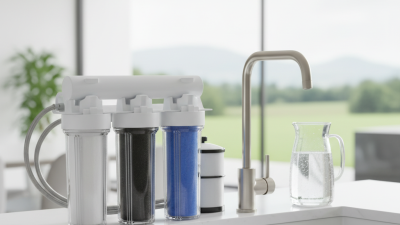
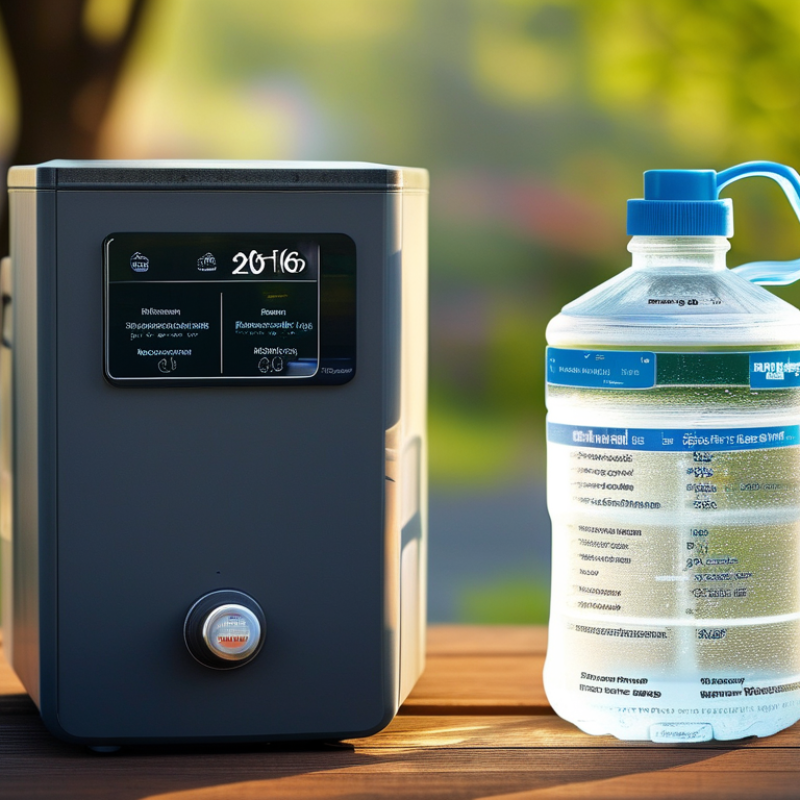
In 2026, the landscape of water filtration systems has evolved significantly. Consumers now have access to a variety of advanced technologies. Reverse osmosis remains a popular choice, offering effective contaminant removal. However, other systems like activated carbon filters are gaining attention. They improve taste and odor, appealing to many households.
As awareness surrounding water quality grows, so does the demand for reliable filtration options. Many systems now feature multi-stage filtration processes. These can tackle a wider range of contaminants, ensuring cleaner water. Some systems are even equipped with smart technology, providing real-time feedback on water quality. Yet, despite these advancements, not all systems are equally effective. Consumers should research specifications carefully to avoid potential pitfalls.
Finding the right water filtration system can be a challenge. Installation complexity varies widely among different models. Some may require plumbing skills that are beyond the DIY capabilities of average homeowners. While many systems claim to be user-friendly, actual experiences can differ. Users might find themselves facing maintenance issues or unexpected costs. Taking time to review different options and user experiences can make a significant difference.
Key Features to Consider in Water Filtration Systems
Choosing the right water filtration system involves understanding key features that enhance water quality. A recent industry report indicates that nearly 25% of households rely on filtered water. This highlights the importance of effective filtration.
When evaluating systems, consider the type of filtration technology used. Activated carbon filters are effective for removing chlorine and other contaminants. Reverse osmosis systems provide deeper filtration, eliminating up to 99% of impurities. However, they can also waste significant amounts of water. A 2022 study revealed that while effective, RO systems can waste three gallons of water for every gallon filtered, raising sustainability concerns.
Another vital aspect is the filter lifespan. Some systems require frequent replacements, which can lead to higher long-term costs. Users should think about maintenance requirements versus performance efficiency. Data shows that filters need replacement every 6-12 months to maintain optimal performance. Longer-lasting filters may seem appealing but could lead to false security in water safety. Balancing convenience and effectiveness is crucial when selecting a system.
Top Rated Water Filtration Systems for Home Use
When choosing a water filtration system for home use, the options can be overwhelming. Reports indicate that up to 60% of Americans are concerned about the quality of their tap water. Contaminants like lead and chlorine are prevalent, prompting many to seek reliable filtration solutions. Research shows that effective systems can reduce these harmful substances by over 90%.
Consider the needs of your household. A family of five might require a larger capacity system that filters water at a higher rate. In contrast, a single-person home could benefit from a compact under-sink model. Think about installation too; some systems require professional setup, while others are DIY-friendly.
When evaluating a water filter, check for certifications from reputable organizations. These endorsements help ensure the system meets safety and performance standards. Look for models that address specific concerns relevant to your area. Local water quality reports can provide insight into prevalent issues. Regular maintenance is crucial, so choose a system with easily replaceable filters. Remember, even the best systems need upkeep to perform efficiently.
Comparison of Water Filtration Methods: Pros and Cons
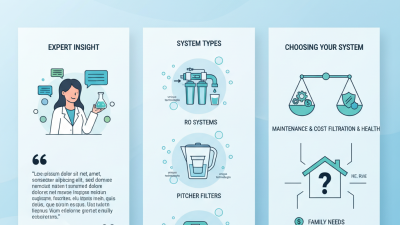
Water filtration methods vary widely, each with unique pros and cons. Understanding these differences helps you choose the right system for your needs.
Activated carbon filters are popular due to their ability to improve taste and remove chlorine. According to a 2022 industry report, these systems can eliminate about 94% of common contaminants. However, they don't filter minerals or some heavy metals effectively. This may lead to a false sense of security regarding water purity.
Reverse osmosis (RO) systems excel at removing a wide range of contaminants. Research shows they can remove up to 99% of lead and other harmful substances. Yet, they can waste a significant amount of water—about three gallons for every gallon filtered. Users should also note that essential minerals may be stripped away during the process.
Consider your specific needs when choosing a filtration method. For those prioritizing taste improvement, activated carbon may suffice. If contaminant removal is essential, RO systems are likely the better choice. Research local water quality reports to inform your decision. Balancing efficiency and purification ensures safe drinking water.
2026 Top Water Filtration Systems: Comparison of Water Filtration Methods
| Filtration Method |
Pros |
Cons |
Average Cost ($) |
Maintenance Frequency |
| Reverse Osmosis |
Removes a wide range of contaminants; improves taste |
Can waste water; slow filtration process |
150 - 300 |
Every 6-12 months |
| Activated Carbon |
Improves taste and odor; affordable |
Limited to certain contaminants; requires regular replacement |
50 - 150 |
Every 2-6 months |
| UV Disinfection |
Effective against bacteria and viruses; no chemicals |
No removal of solids or chemicals; relies on electricity |
100 - 400 |
Annual |
| Ceramic Filtration |
Removes bacteria and sediments; reusable filters |
Ineffective against chemicals; lower flow rate |
30 - 100 |
Every 6-12 months |
| Ion Exchange |
Effective for hardness and heavy metals removal |
Doesn't remove all contaminants; can add sodium |
100 - 300 |
Every 1-2 months |
Maintenance and Longevity of Water Filtration Systems
Maintaining your water filtration system is crucial for its effectiveness and longevity. Regular cleaning can prevent clogs and ensure optimal performance. Depending on the system type, you may need to replace filters every few months or annually. Neglecting these maintenance tasks can lead to reduced water quality. Monitoring water flow and taste provides essential feedback on system health.
Longevity often hinges on quality and upkeep. Some systems can last many years, while others decline rapidly without proper care. Using the correct replacement parts is vital. It's easy to overlook these details, but they can significantly impact performance. For instance, outdated filters may harbor contaminants, posing health risks.
Understanding the specific requirements of your system promotes better maintenance habits. Periodic inspections can reveal hidden issues early. Many users fail to recognize when a service is needed. An informed approach can save time and money in the long run. The more proactive you are, the more likely your system will serve you well for years.
2026 Top Water Filtration Systems: Maintenance and Longevity